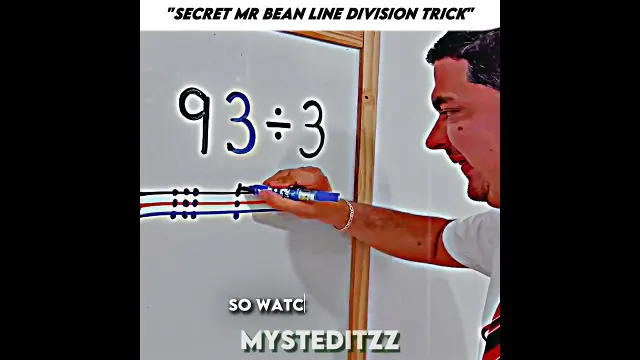
 Visual Division Method Using Horizontal and Vertical Lines
#Division Tricks
13 ideas
Visual Division Method Using Horizontal and Vertical Lines
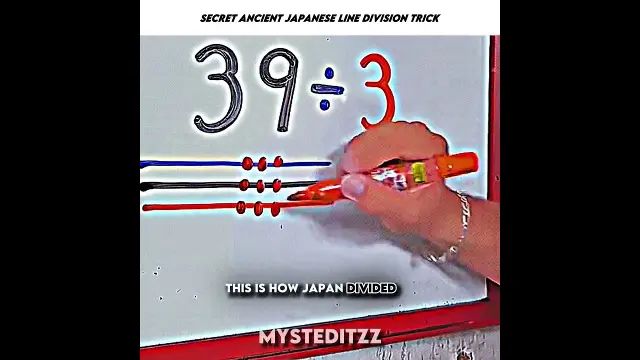 Ancient Japanese Visual Line Division Trick
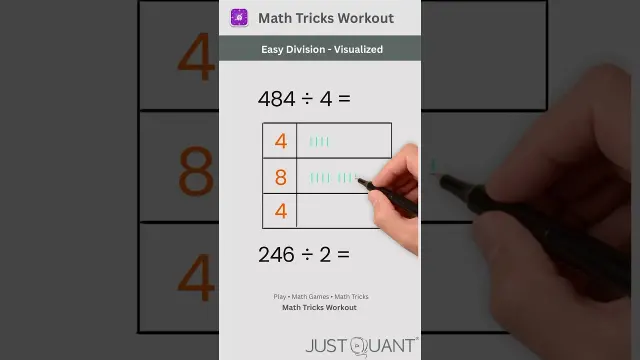 Visual Division Method and Mental Math Shortcuts for Faster Calculation
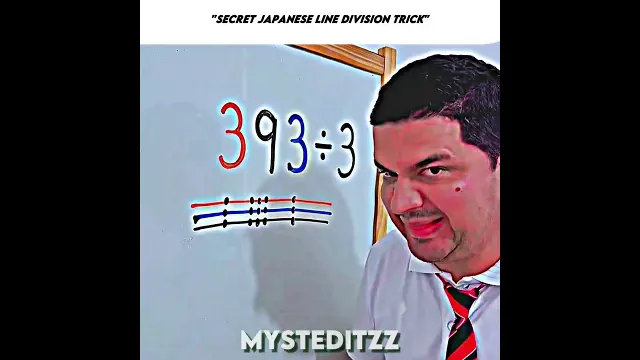 Three-Digit Division Using the Japanese Line Method
 Fast Visual Division Hack for Large Numbers
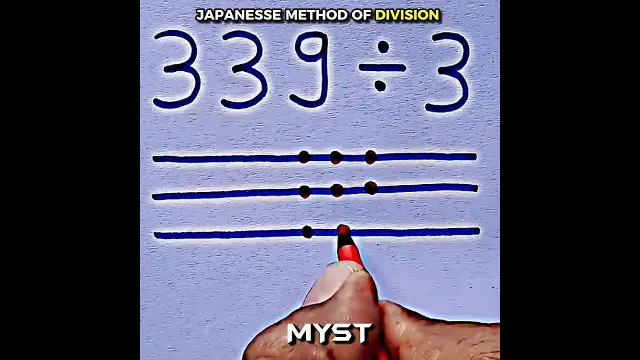 Visual Japanese Line Method for Fast Division
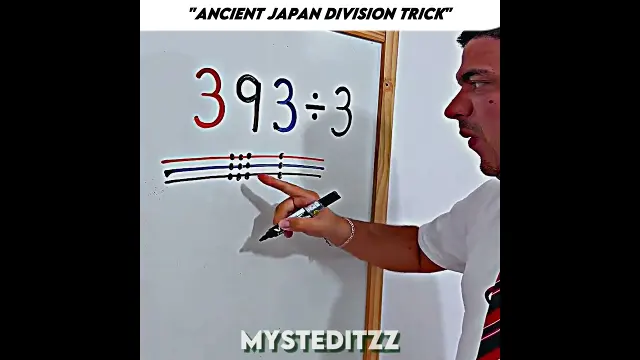 Visual Line Division Trick for Fast Calculation
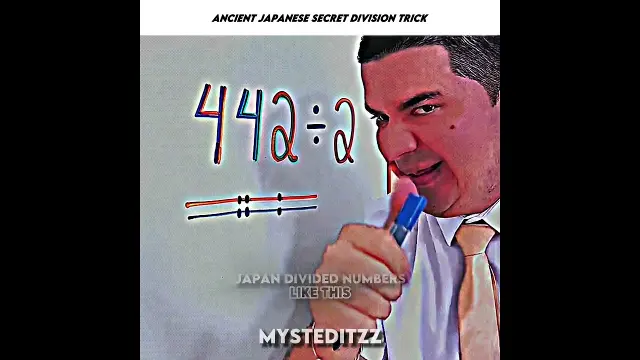 Visual Speed Hack for Division Calculations
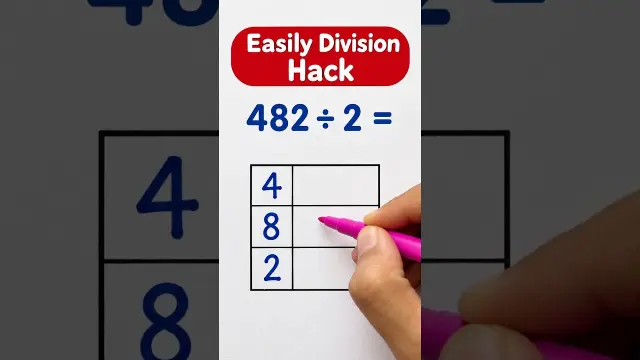 Easy Grouping Method for Division Calculations
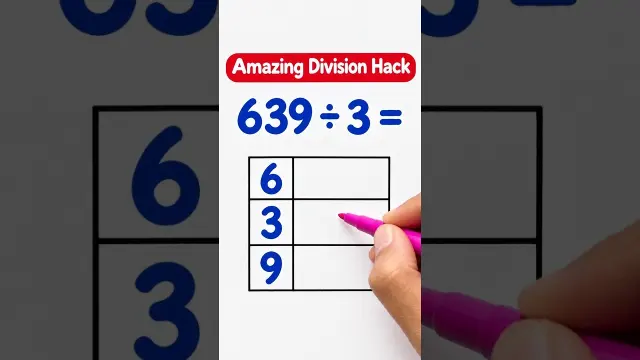 Fast Mental Math Shortcut for Division
 Easy Methods for Breaking Down Division Problems
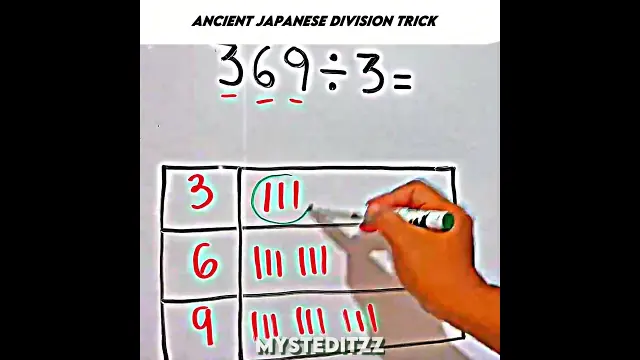 Visual Grid Method for Three-Digit Division
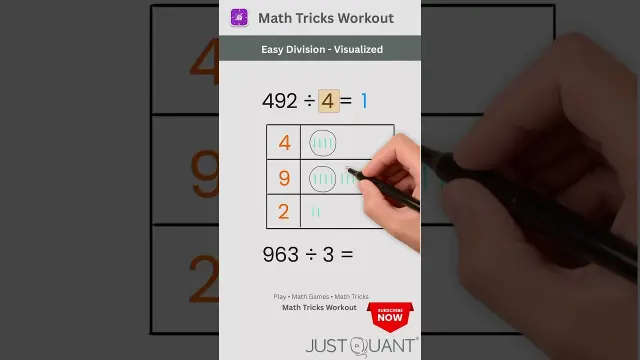 Visual Division Shortcuts for Faster Mental Calculations
Get new #Division Tricks ideas by email
Every Thursday: the week's best ideas, with the newest from #Division Tricks.
Related tags
Division Tricks for Faster Mental Math
What division tricks are
Division is the process of splitting a number into equal parts or finding how many times one number fits into another. Division tricks are simple methods that make this easier to do in your head, on paper, or as a quick check after you calculate.
People have used division for as long as they have needed to share, measure, count, and compare quantities. In everyday life, division helps with cooking, budgeting, planning, measuring, and many kinds of practical problem-solving. The “tricks” are not shortcuts that replace understanding; they are ways to make the same math clearer and faster.
Common kinds of division tricks
Read more
One useful approach is to look for divisibility rules. These are simple checks that show whether a number divides evenly by another number. For example, some numbers are easy to divide by 2, 5, or 10 because their patterns are familiar. Learning these rules can save time and help you spot when an answer should be a whole number.
Another helpful method is breaking a number apart. If you need to divide a large number, you can split it into parts that are easier to handle. For example, you might divide by a round number first and then adjust, or divide each part separately and combine the results. This works especially well when the numbers are close to round hundreds, tens, or multiples of familiar numbers.
Estimation is also important. Before you calculate exactly, it helps to estimate what the answer should be. That way, you can tell whether your final result is reasonable. Estimation is especially useful when you are working quickly or when the numbers are awkward.
Long division made simpler
Long division can feel complicated at first, but it becomes easier when you take it step by step. Start with the leftmost digits, divide as far as you can, multiply back, subtract, and bring down the next digit. Keeping each step neat helps avoid mistakes.
A good habit is to write clearly and pause after each subtraction. Many errors in division come from rushing. If you stay organized, the process becomes much more manageable.
Practical tips for beginners
If you are learning division tricks, begin with the facts you know best. Practice dividing by 2, 3, 4, 5, 9, and 10, since these often appear in everyday calculations. When a number seems difficult, ask yourself whether it can be rewritten in a friendlier form.
It also helps to remember that division and multiplication are closely linked. If you know the multiplication facts, you can use them to check division. For example, if 6 times 7 is 42, then 42 divided by 6 is 7.
When a problem has a remainder, think about what it means in context. In some situations, you may need the exact remainder. In others, you may need to round up or down depending on the task.
A simple way to build confidence
The best division tricks are the ones you understand well enough to use naturally. Start small, practice often, and check your work. Over time, you will notice patterns that make division faster and less intimidating.
Videos come from YouTube and posts from Instagram; titles and summaries are our own. All rights belong to their creators.