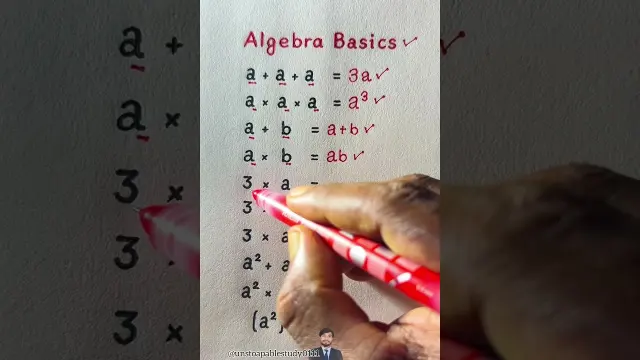
 Short Practice Session for Basic Algebra Revision
#Maths
19 ideas
Short Practice Session for Basic Algebra Revision
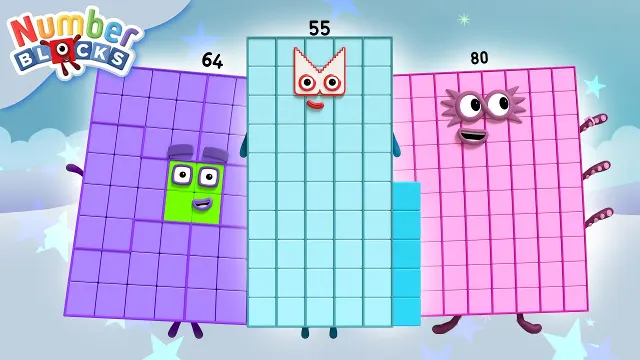 Learning Big Numbers with Numberblocks
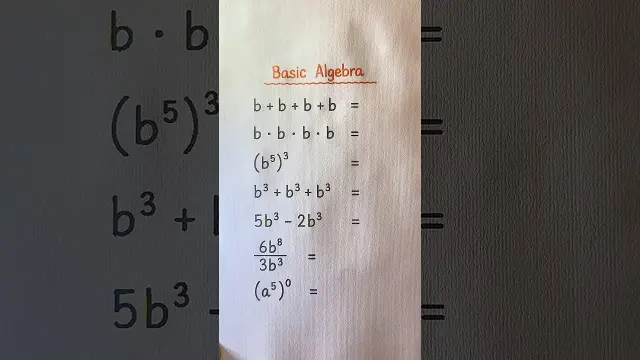 Quick Revision Guide for Basic Algebra Concepts
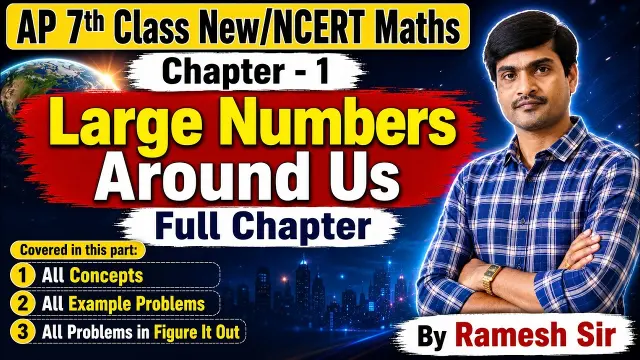 Exploring Large Numbers Around Us for Seventh Grade
 Rapid Revision of Large Numbers Around Us in Fifteen Minutes
 Understanding Class 5 Large Numbers and Place Value
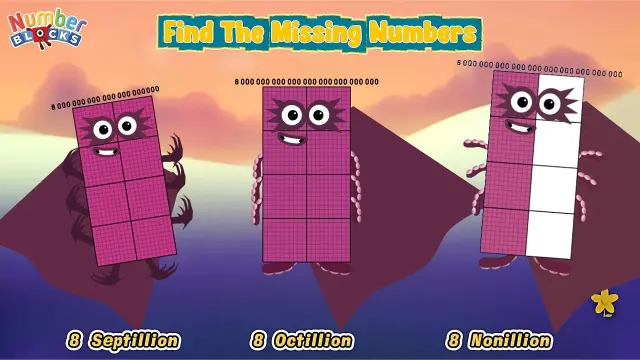 Finding Missing Millions and Billions in Big Numbers for Kids
 Counting Big Numbers from 1 to 100 with Numberblocks
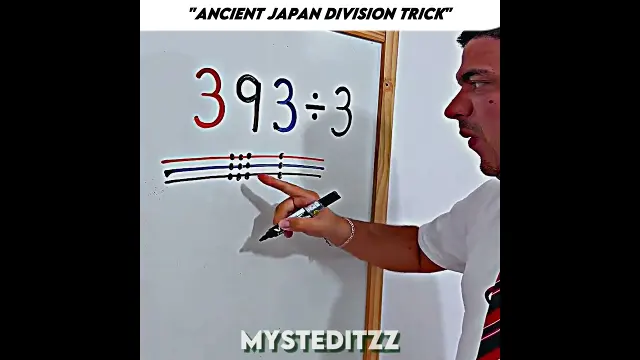 Visual Line Division Trick for Fast Calculation
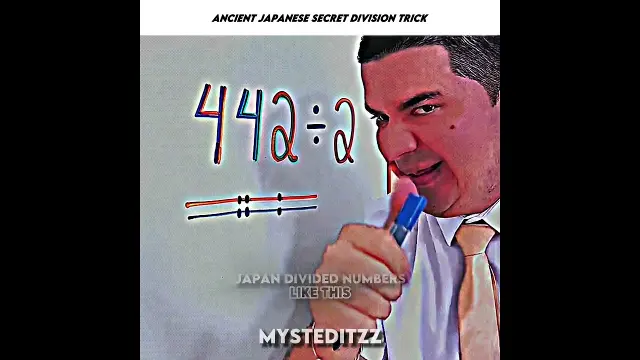 Visual Speed Hack for Division Calculations
 Two Times Table Song for Kids Learning Multiplication
 Catchy 8 Times Table Song for Kids and Students
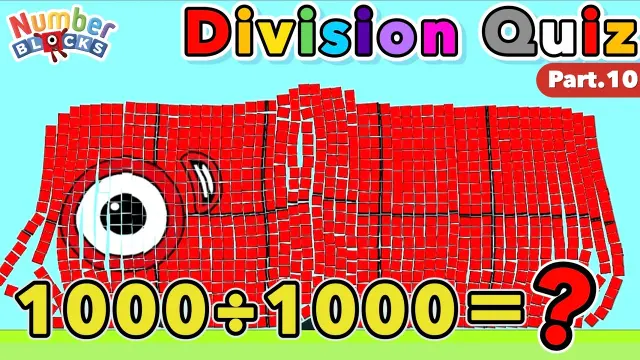 Numberblocks Learn Division Part 10 for Kids
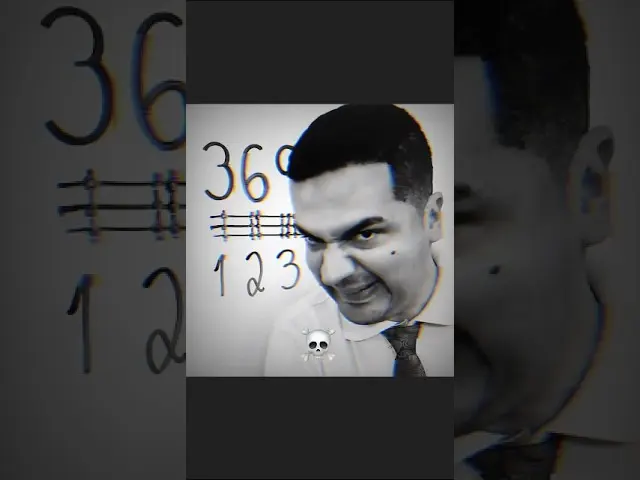 Visual Math Division Method Demonstration
 Fun Two Times Table Song and Math Video
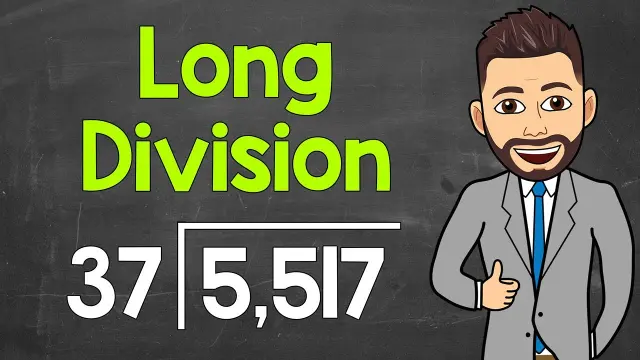 Step-by-Step Guide to Long Division with Examples
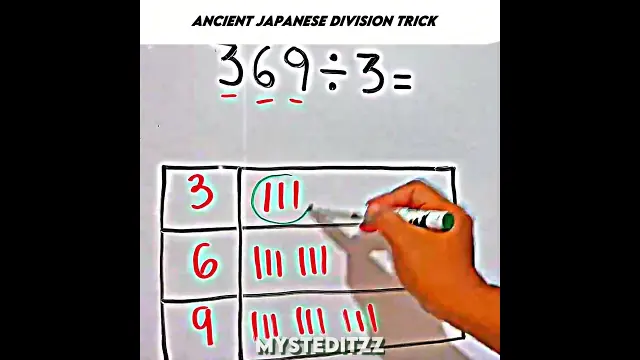 Visual Grid Method for Three-Digit Division
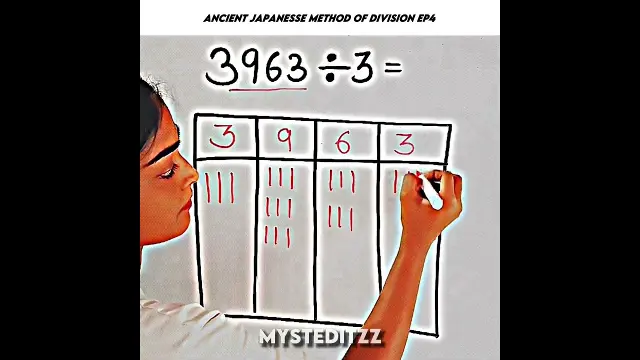 Grid Method for Multi-Digit Division
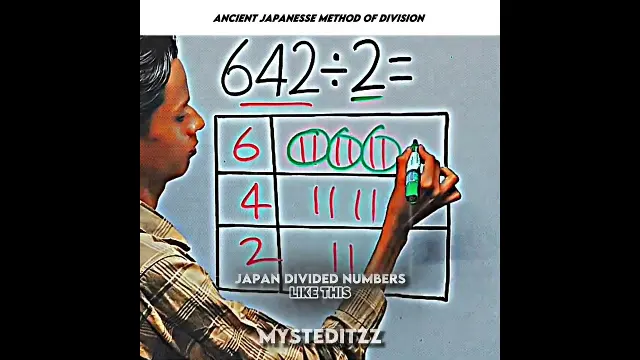 Comparing Traditional Long Division and Grid Methods
Get new #Maths ideas by email
Every Thursday: the week's best ideas, with the newest from #Maths.
Related tags
Maths: the Language of Numbers
What maths is
Maths is the study of numbers, shapes, patterns, quantities, and relationships. It is one of the oldest human tools for understanding the world, and people use it every day when they count, measure, compare, plan, build, cook, travel, or manage money. At its heart, maths is about logical thinking and finding clear answers.
You do not need to be “naturally good” at maths to learn it well. Most people improve by practising regularly, noticing patterns, and breaking problems into smaller steps. Maths is less about memorising tricks and more about understanding how things work.
Main areas of maths
Read more
Maths includes several broad areas, and each one helps with different kinds of problems:
- Arithmetic: basic number work such as addition, subtraction, multiplication, and division
- Fractions, decimals, and percentages: ways of describing parts of a whole
- Geometry: shapes, space, angles, lines, and measurements
- Algebra: using symbols and letters to represent unknown values
- Statistics and probability: collecting, organising, and interpreting information, and thinking about chance
- Measurement: length, weight, time, volume, and other quantities
These areas often overlap. For example, you may use arithmetic inside geometry, or fractions inside measurement.
Common techniques and ways of working
Many maths problems become easier when you use a clear method. Some useful approaches include:
- Estimation: making a rough answer first to check whether your final result makes sense
- Breaking down a problem: solving one small part at a time
- Drawing a picture or diagram: helpful for shapes, word problems, and visualising quantities
- Writing each step neatly: this reduces mistakes and makes checking easier
- Looking for patterns: many maths problems follow repeated structures
- Checking your answer: reversing the operation or using a different method can confirm your result
There is often more than one correct way to solve a problem. Some people prefer formal written methods, while others understand best through visual models or practical examples.
What beginners should know
If you are starting out, focus on understanding before speed. Strong number sense makes later topics much easier. It helps to know facts such as simple multiplication and division tables, but it is just as important to understand what the numbers mean.
A few helpful habits are:
- Practise a little often rather than cramming
- Say the steps out loud if that helps you stay organised
- Use real-life examples to make maths feel concrete
- Do not skip working steps too early
- Ask what the question is really asking before solving it
Mistakes are part of learning. They often show exactly where your understanding needs a little more attention.
Practical tips for steady progress
If you want to improve in maths, keep your practice consistent and calm. Start with easier problems, then move to harder ones once the basics feel secure. Keep your working clear, especially with multi-step problems. When you get something wrong, try to understand why rather than only looking at the correct answer.
Most of all, treat maths as a skill you build over time. With patience and regular practice, it becomes more familiar, more useful, and often much less intimidating.
Videos come from YouTube and posts from Instagram; titles and summaries are our own. All rights belong to their creators.