 Superheroes Solve Mathematical Problems in a Family Home
#Problem Solving
9 ideas
Superheroes Solve Mathematical Problems in a Family Home
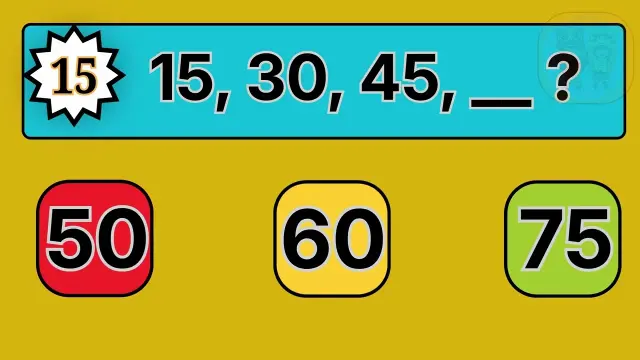 Interactive Number Pattern Quiz For Kids
 Quick Guide To Solving Absolute Value Equations
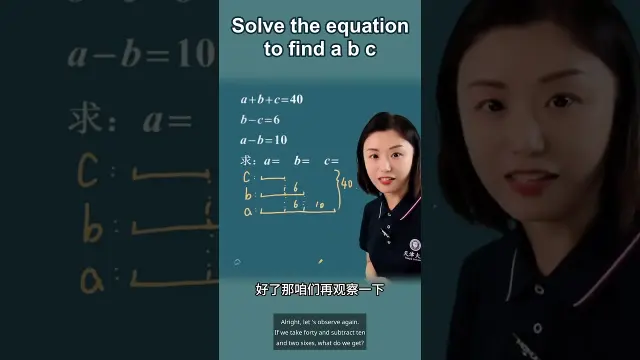 Step-By-Step Solution For Algebraic Variables
 How to Approach Any Maths Olympiad Problem
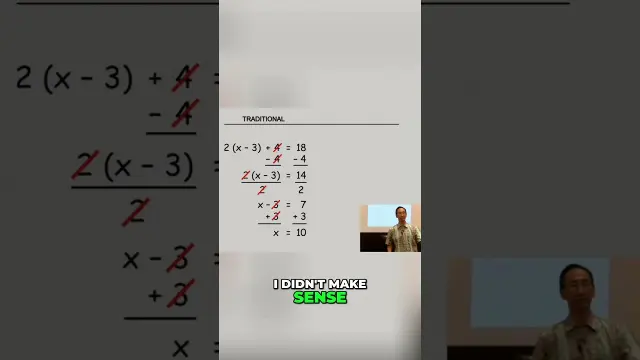 Intuitive Methods For Solving Complex Math Equations
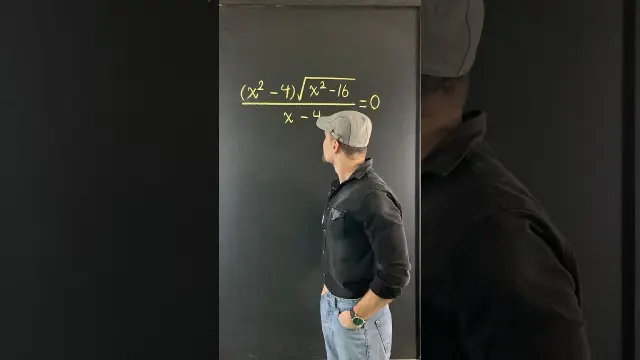 Advanced Problem Solving For Competition Equations
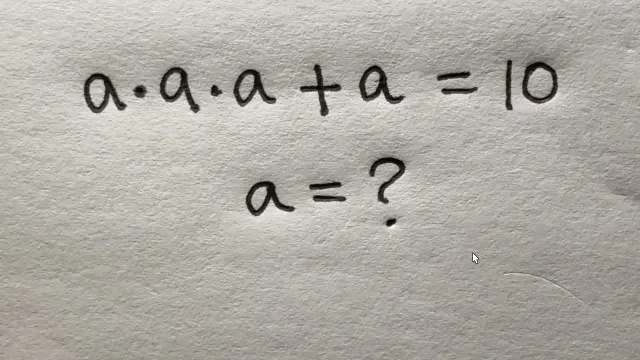 Analytical Method for Solving an Advanced Algebra Equation
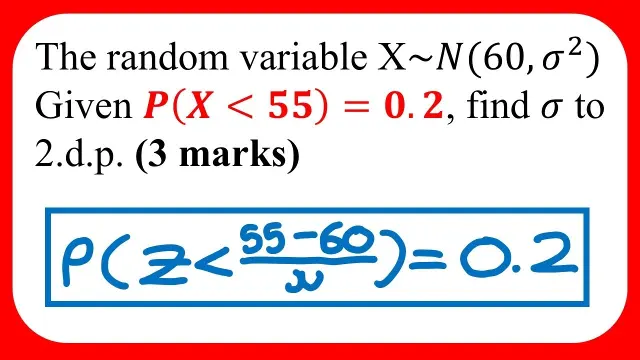 Finding Mean and Standard Deviation in Normal Distribution Problems
Get new #Problem Solving ideas by email
Every Thursday: the week's best ideas, with the newest from #Problem Solving.
Related tags
Problem Solving Skills and Methods
What problem solving means
Problem solving is the process of understanding a difficulty, breaking it into smaller parts, and finding a workable solution. It is used in everyday life, study, work, planning, and creative tasks. At its heart, problem solving is less about guessing the right answer and more about making careful decisions with the information you have.
People often think of problem solving as something only related to maths or technical subjects, but it is a general skill. You use it when you organise a busy day, repair something that has stopped working, choose between options, or work through a puzzling question. The same basic habit applies: observe, analyse, test, and adjust.
Common approaches
Read more
There is no single perfect method for every problem, but several approaches are widely useful.
- Define the problem clearly. A vague problem is harder to solve than a specific one.
- Gather the facts. Find out what is known, what is missing, and what limits you have.
- Break the problem into smaller parts. Simple steps are easier to handle than one large, confusing task.
- Look for patterns or relationships. Repeated features often point toward a solution.
- Try one approach, then review the result. If it does not work, adjust and try again.
- Check the solution carefully. A good answer should make sense in the original situation.
In maths, this may mean choosing a formula, drawing a diagram, or working backwards from the answer. In everyday life, it may mean comparing options, making a list of priorities, or asking what matters most.
Main styles of problem solving
Different people tend to prefer different styles, and each has value.
- Analytical problem solving focuses on logic, structure, and step-by-step reasoning.
- Creative problem solving looks for fresh ideas, unusual connections, or alternative routes.
- Practical problem solving aims for a solution that works well in real life, even if it is not perfect.
- Collaborative problem solving uses the ideas of others to widen perspective and spot mistakes.
A strong problem solver can move between these styles depending on the task.
What beginners should know
If you are learning to solve problems more confidently, start with patience. Rushing often makes a problem look harder than it really is. Read the question or situation carefully, and make sure you understand what is being asked before you act.
It also helps to write things down. Notes, sketches, lists, and simple diagrams can make hidden connections easier to see. If you feel stuck, step back and restate the problem in your own words. Often, a clearer wording leads to a clearer solution.
Practical habits that help
- Stay organised so you do not lose track of steps.
- Ask yourself what has already been tried.
- Keep the goal in mind, not just the difficulty.
- Be willing to revise your first idea.
- Learn from mistakes instead of treating them as failure.
Problem solving improves with practice. The more you work through different kinds of challenges, the easier it becomes to stay calm, think clearly, and choose a sensible next step.
Videos come from YouTube and posts from Instagram; titles and summaries are our own. All rights belong to their creators.