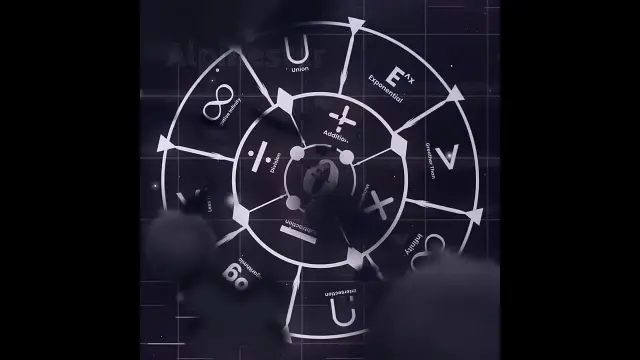
 Understanding Zero as the Only Neutral Number in Mathematics
#Math Animation
6 ideas
Understanding Zero as the Only Neutral Number in Mathematics
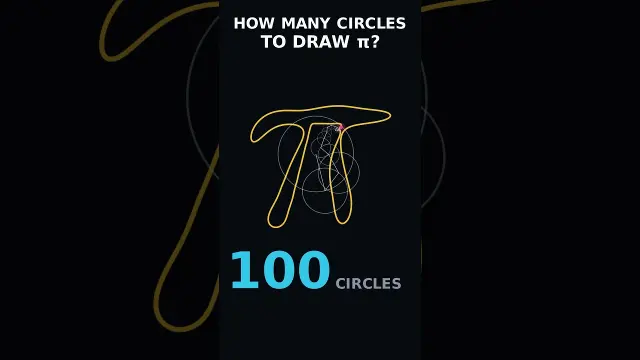 Drawing the Pi Symbol Using Rotating Fourier Series Circles
 Superheroes Solve Mathematical Problems in a Family Home
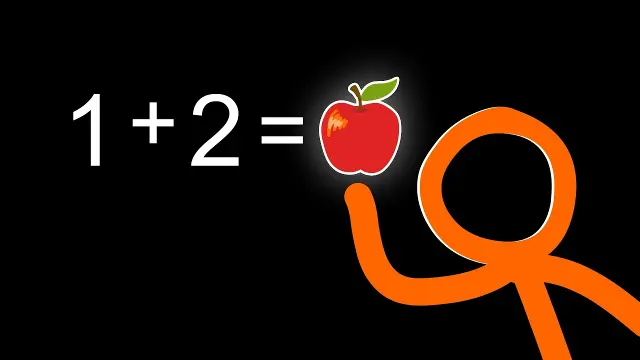 Animation and Mathematical Strategies for Missing Addends
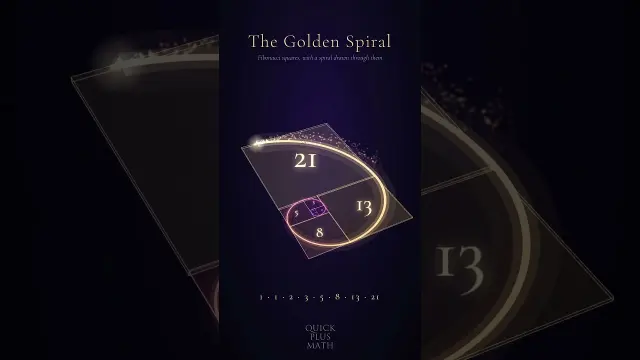 Satisfying 3D Fibonacci Golden Ratio Spiral Loop Simulation
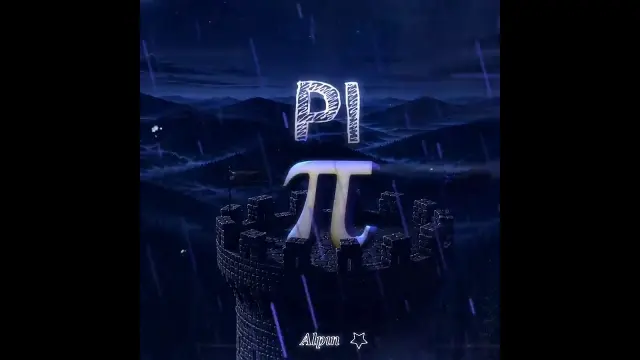 The Mathematical Meaning and Constant Ratio Behind Pi
Get new #Math Animation ideas by email
Every Thursday: the week's best ideas, with the newest from #Math Animation.
Related tags
Math Animation Guide
Math animation is the use of moving images to explain mathematical ideas. It can show numbers, shapes, patterns, graphs, equations, and logical steps in a way that is easier to follow than still images alone. Because motion can reveal change over time, relationships, and structure, animation is especially useful for ideas that are hard to picture on a flat page.
What math animation is for
People use math animation to teach, learn, and communicate. It can help explain basic ideas like counting, fractions, and geometry, as well as more advanced topics such as algebra, calculus, probability, and statistics. In classrooms, it can support visual learners and make abstract ideas feel more concrete. In books, videos, websites, and presentations, it can also turn a dry explanation into something clearer and more memorable.
Math animation is not limited to schoolwork. It is also used in science communication, data storytelling, game design, engineering, and online educational content. Anywhere a process needs to be shown step by step, animation can help.
Read more
Common styles and approaches
There is no single style of math animation. Some are simple and clean, using lines, shapes, and labels on a plain background. Others are more playful and character-based, using scenes, icons, or illustrated stories to explain ideas. A few common approaches include:
- Whiteboard-style animation, where ideas seem to be drawn as they are explained
- Motion graphics, which use moving text, diagrams, and symbols
- Infographic animation, which presents data or concepts visually
- Character-led storytelling, which uses a narrative to make math feel familiar
- Screen-based demonstrations, where software or diagrams move step by step
The best style depends on the audience and the topic. Younger children may respond well to simple shapes and friendly characters, while older learners may prefer a cleaner, more direct visual style.
What makes it effective
Good math animation does not just look attractive; it makes thinking visible. It can show how a formula changes, how a shape transforms, or how one step leads to the next. Timing matters, because too much movement can be distracting, while too little may fail to clarify the idea.
A strong animation usually keeps the visual language consistent. For example, if one color stands for one variable, that color should stay the same throughout. Clear labels, gradual reveals, and simple compositions help the viewer keep track of what is happening.
Tips for beginners
If you are making or using math animation, start with one idea at a time. A short, focused sequence is often more effective than a long, crowded one. Plan the explanation before adding motion, so the animation supports the math rather than replacing it.
- Keep shapes simple and easy to read
- Use motion only where it helps understanding
- Introduce one concept before moving to the next
- Leave enough pause time for the viewer to think
- Test the animation by watching it without sound
Math animation works best when it is clear, patient, and purposeful. At its heart, it is a way of turning abstract ideas into something you can see unfold.
Videos come from YouTube and posts from Instagram; titles and summaries are our own. All rights belong to their creators.