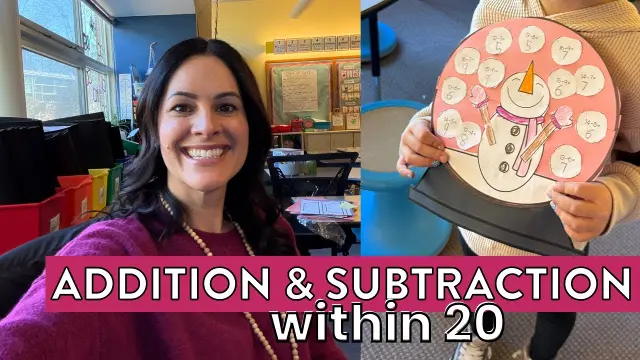
 Teaching First Grade Math Strategies for Numbers Within Twenty
#Addition and Subtraction
16 ideas
Teaching First Grade Math Strategies for Numbers Within Twenty
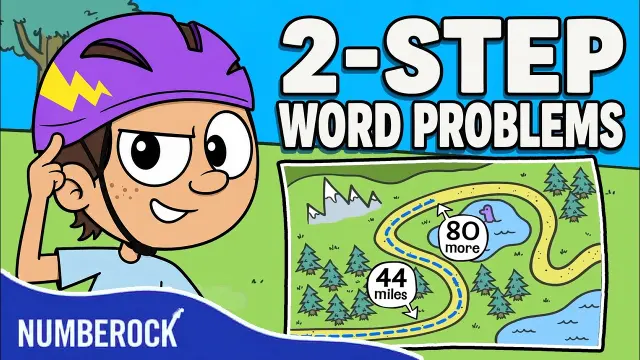 Multi-Step Word Problems Educational Math Song for Kids
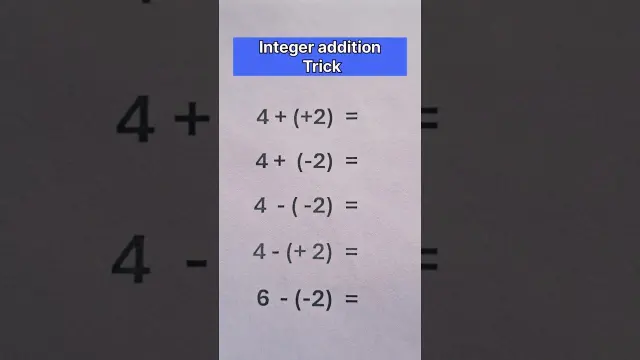 Mastering Integer Addition and Subtraction with Simple Tricks
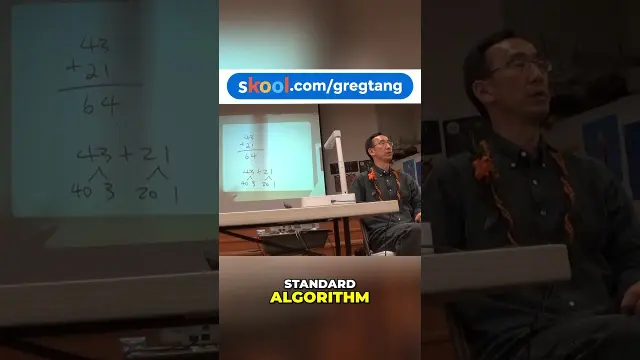 Foundational Math: Clear Approaches to Addition and Subtraction
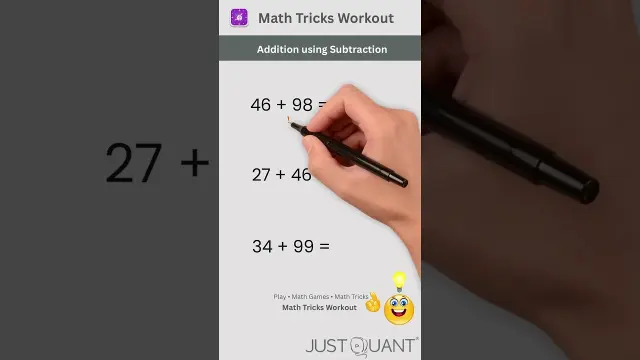 Mental Math Techniques for Fast Addition Using Subtraction
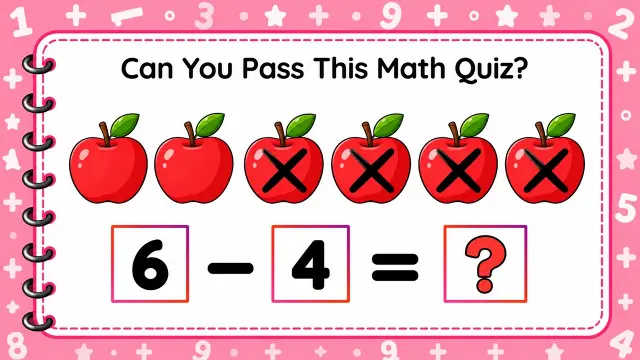 Fun Subtraction Quiz and Picture Math Game for Kids
 Superheroes Solve Mathematical Problems in a Family Home
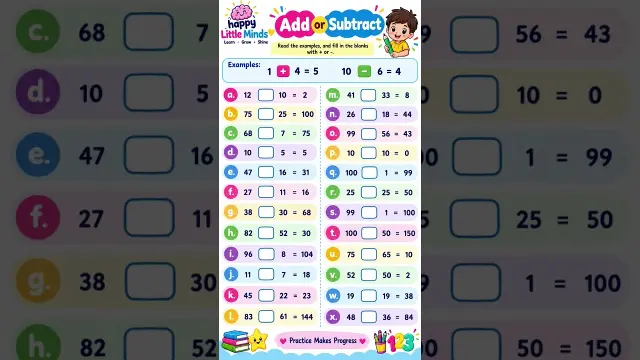 Fun Mathematical Practice Sessions for Young Children
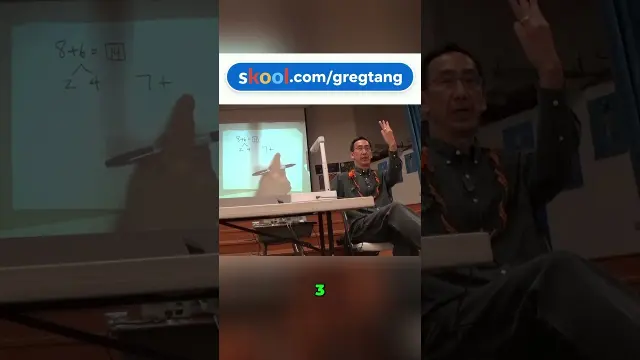 Teaching Kids Math Strategy for Breaking Down Numbers
 Addition and Subtraction Math Facts Song with Eddy Equals
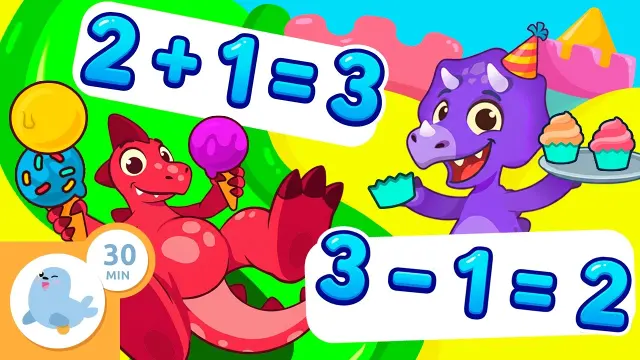 Dinosaur-Themed Songs and Games for Kids Learning Math
 A Story-Based Read-Aloud About Equations and Math Friends
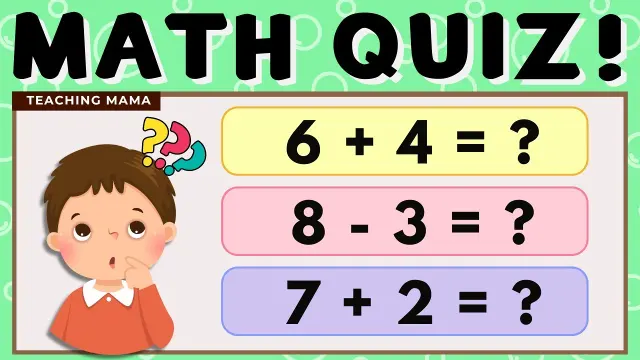 Interactive Math Quiz for Young Learners and Preschoolers
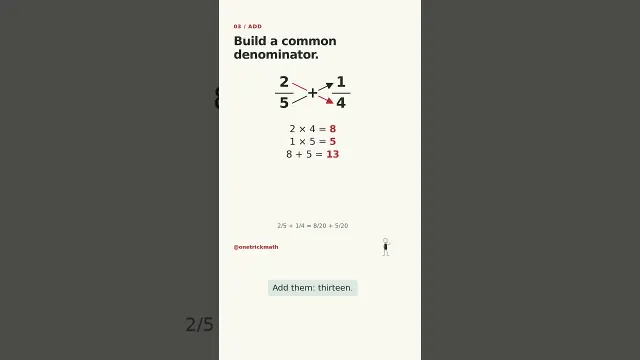 Understanding When to Cross-Multiply Fractions
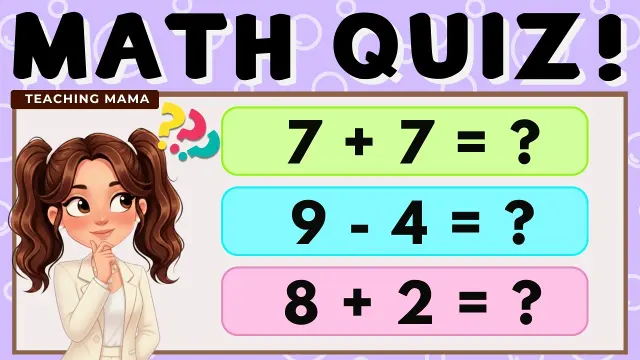 Interactive Math Quiz for Kids Addition and Subtraction
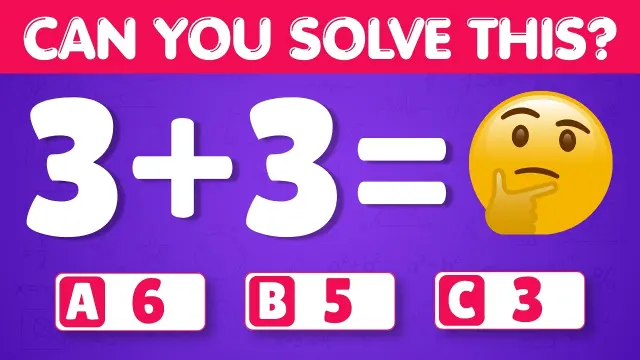 Kids Math Challenge: Timed Addition Practice Problems
Get new #Addition and Subtraction ideas by email
Every Thursday: the week's best ideas, with the newest from #Addition and Subtraction.
Related tags
Addition and Subtraction Explained
Addition and subtraction are two of the most basic and useful ideas in mathematics. They help you count, compare, combine, and separate quantities in everyday life, from working out how many items you have to checking how much is left. Long before formal schooling, people used these operations for trade, measurement, and keeping track of goods, so they are part of the foundation of practical number sense.
What addition means
Addition is the process of combining numbers to find a total. If you add 3 and 2, you get 5. You use addition when you want to know how many there are altogether, how much you have after receiving more, or what the sum of several groups is.
There are many ways to think about addition:
- Count on from a starting number
- Combine two or more groups
- Use number bonds to see how numbers fit together
- Break numbers into smaller parts to make mental calculation easier
Read more
For beginners, it often helps to use objects, fingers, drawings, or simple number lines. Seeing numbers as quantities can make the idea more concrete.
What subtraction means
Subtraction is the process of taking away one number from another or finding the difference between them. If you subtract 2 from 5, you get 3. You use subtraction when something is removed, when you want to know what remains, or when you compare two amounts.
Subtraction can be understood in a few different ways:
- Taking away from a total
- Counting back from a number
- Finding the difference between two amounts
- Filling in the missing part in a number relationship
This flexibility is useful because subtraction is not only about loss; it is also about comparison and reasoning.
How they work together
Addition and subtraction are closely connected. They are inverse operations, which means one can undo the other. If 4 + 3 = 7, then 7 - 3 = 4 and 7 - 4 = 3. Understanding this relationship helps you check answers and build confidence with numbers.
This connection is especially important when working with:
- Fact families
- Missing number problems
- Everyday calculations involving money, time, or measurement
Helpful ways to learn
If you are just starting, keep the numbers small and focus on meaning before speed. It is better to understand why an answer makes sense than to rush through problems.
A few practical tips:
- Use real objects such as blocks, buttons, or coins
- Draw pictures or simple dots to represent numbers
- Say the steps out loud as you work
- Practice both addition and subtraction together
- Check subtraction by adding back the answer
Building confidence
Many people find these operations easier once they see patterns. For example, adding zero changes nothing, and subtracting zero leaves a number unchanged. Doubles, near doubles, and ten-based facts can also become useful shortcuts.
The key is steady practice and clear thinking. When you understand addition and subtraction as ways of joining, separating, and comparing, numbers become much easier to work with in daily life and in more advanced maths later on.
Videos come from YouTube and posts from Instagram; titles and summaries are our own. All rights belong to their creators.