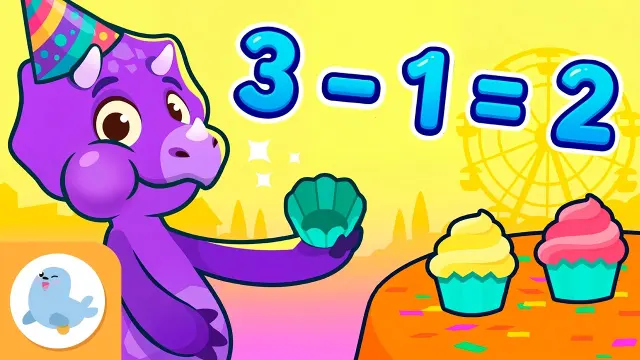
 Subtraction Song and Visual Exercises Compilation for Kids
#Subtraction for Kids
16 ideas
Subtraction Song and Visual Exercises Compilation for Kids
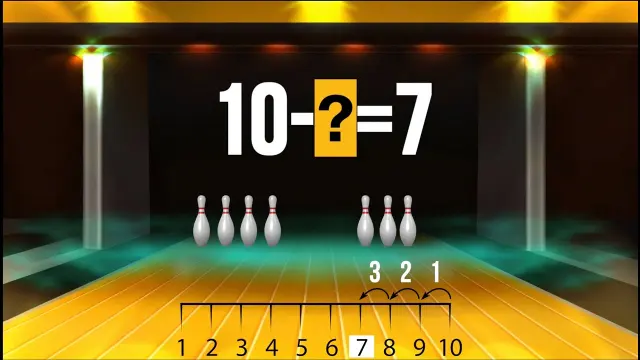 Bowling Math Adventure Missing Number Subtraction for Kids
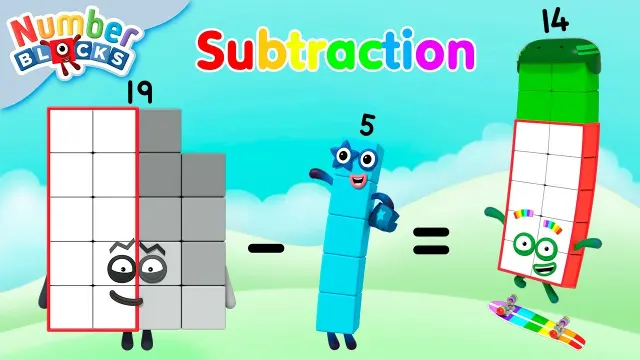 Learn to Subtract with Numberblocks Number Cartoons
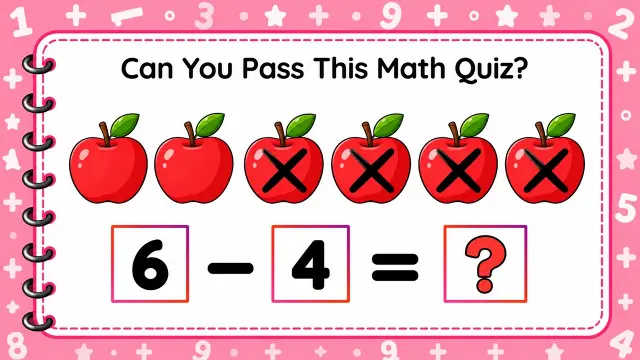 Fun Subtraction Quiz and Picture Math Game for Kids
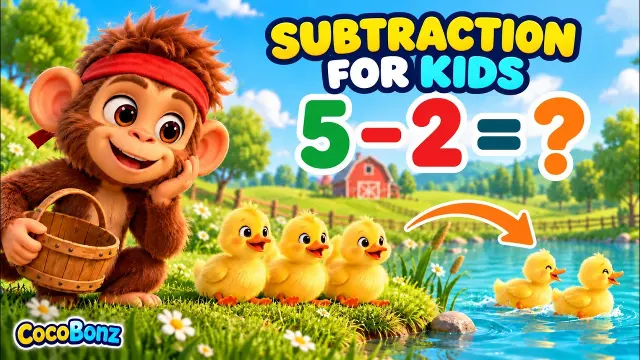 Farm Animal Subtraction Practice Within Ten for Preschoolers
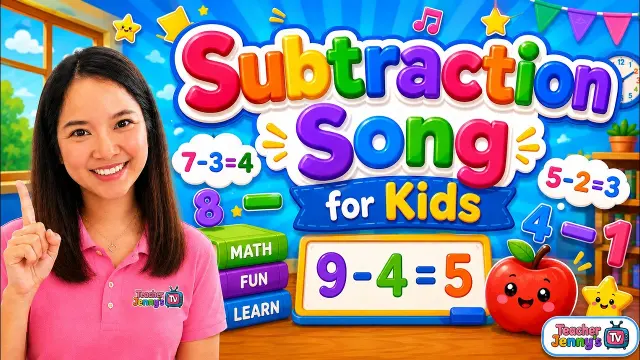 Subtraction Song for Kids to Learn Numbers and Basic Math
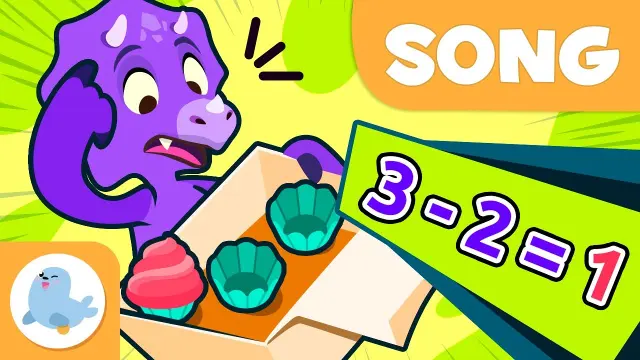 Dinosaur Subtraction Song Where Are the Cupcakes
 Addition and Subtraction Math Facts Song with Eddy Equals
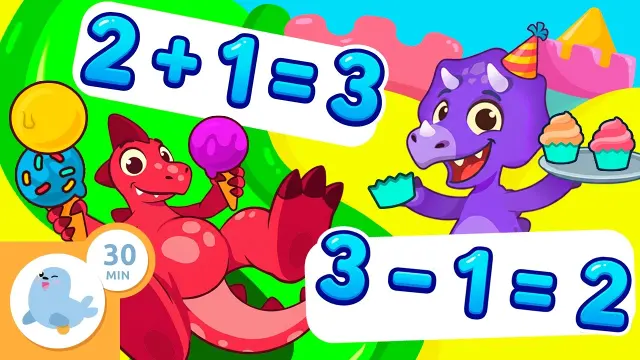 Dinosaur-Themed Songs and Games for Kids Learning Math
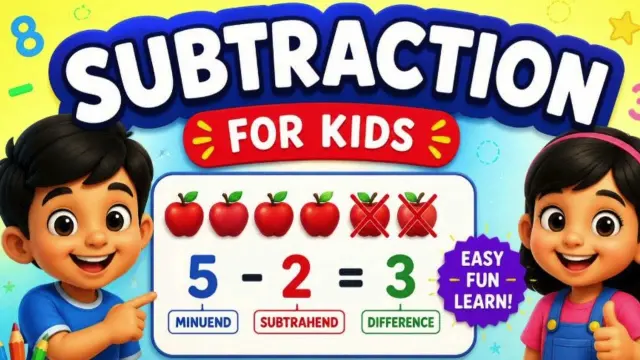 Quick and Easy Subtraction Lesson for Beginners
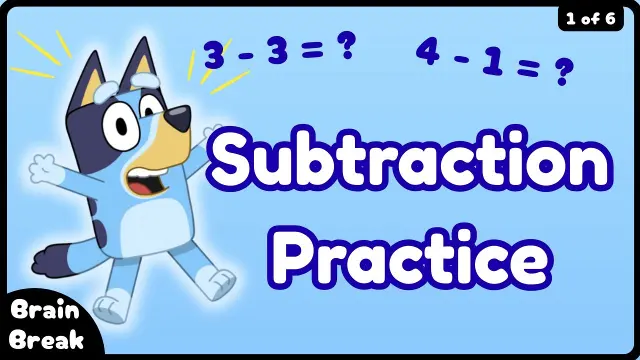 High Energy Subtraction Brain Break Movement Game for Kids
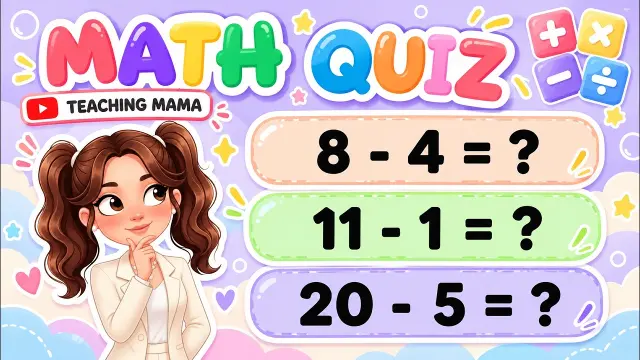 Fun Basic Subtraction Math Quiz Activity for Young Children
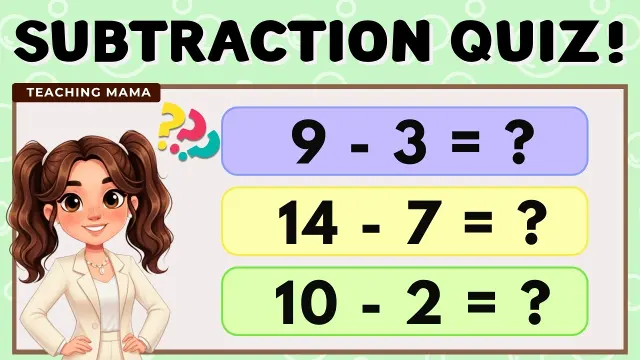 Basic Subtraction Math Quiz Activity for Young Learners
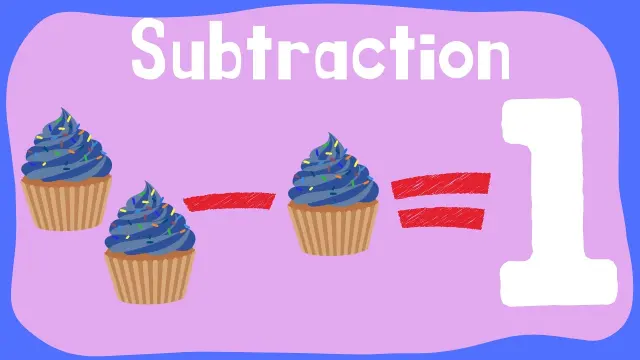 Easy Subtraction for Kids with Colorful Objects
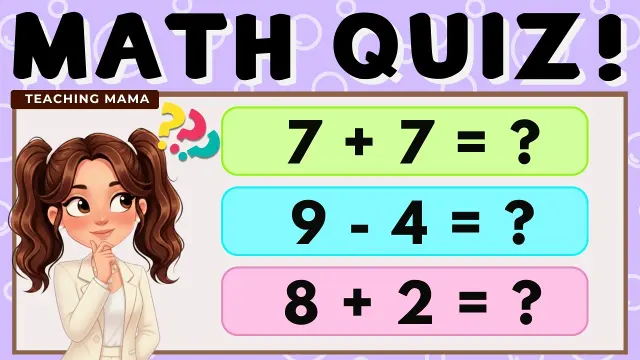 Interactive Math Quiz for Kids Addition and Subtraction
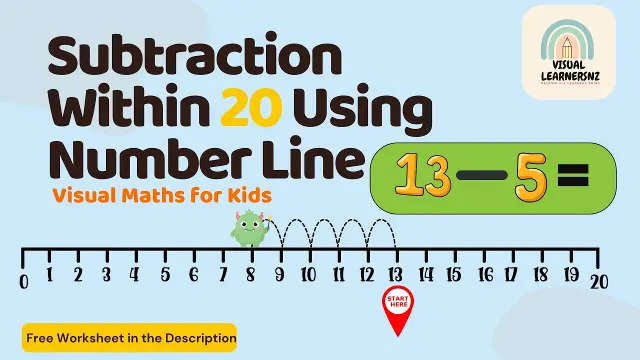 How to Subtract Within Twenty Using a Number Line
Get new #Subtraction for Kids ideas by email
Every Thursday: the week's best ideas, with the newest from #Subtraction for Kids.
Related tags
Subtraction for Kids
What subtraction means
Subtraction is one of the first ideas children meet in maths. It means taking away one amount from another to find out how many are left. If you have five apples and eat two, subtraction helps you work out that three remain. It is the opposite of addition, which puts amounts together.
Children usually begin with subtraction using real objects, pictures, and simple number stories. This helps them connect the idea to things they can see and count. Over time, they learn to use symbols and written sums.
Why subtraction matters
Read more
Subtraction is useful in everyday life. Children use it when sharing snacks, counting toys, checking how many pencils are left, or thinking about time and money in simple ways. It also helps build number sense, memory, and confidence with basic maths.
Understanding subtraction early makes later maths easier. It supports counting backwards, comparing numbers, and solving simple word problems.
Common ways to teach subtraction
There is more than one way to explain subtraction, and different children understand different methods best.
- Using objects: Counters, blocks, buttons, or fruits can make subtraction clear and hands-on.
- Drawing pictures: Children can cross out pictures or remove dots to show what is taken away.
- Number lines: Starting at one number and moving backwards helps children see the change.
- Counting back: This is a simple mental method for small numbers.
- Number stories: Short everyday problems make subtraction meaningful.
For example, “There are 6 birds on a fence. 2 fly away. How many are left?” This type of question helps children understand what the numbers mean, not just how to write the answer.
What beginners should know
At first, it is best to keep subtraction small and clear. Children often learn more easily when the numbers stay within ten or twenty. It helps to use things they can touch and count before moving to written sums.
A few key ideas are important:
- Subtraction means taking away, not adding.
- The answer is called the difference or how many are left.
- The starting number is the total before anything is removed.
- It is normal to count slowly at first.
Some children may count all objects from the beginning every time. This is part of learning and should be encouraged gently. With practice, they begin to count back or recognise small amounts more quickly.
Helpful tips for practice
Keep practice short, playful, and calm. Children learn best when subtraction feels like a game rather than a test.
- Use everyday objects around the home.
- Ask simple questions during normal routines.
- Let children move things themselves.
- Repeat the same idea in different ways.
- Praise effort as well as correct answers.
- If a child gets stuck, go back to objects or drawings.
It also helps to link subtraction with addition. For example, if 3 are taken away from 7, children can check by adding 3 and 4 to make 7. This builds understanding and confidence.
With patient practice, subtraction becomes a familiar and useful skill.
Videos come from YouTube and posts from Instagram; titles and summaries are our own. All rights belong to their creators.