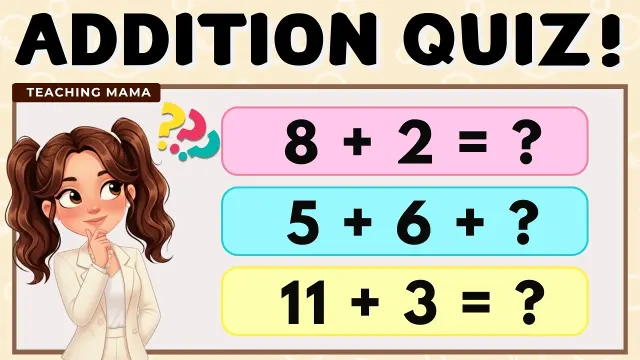
 Fun Basic Addition Math Quiz Activity for Young Children
#Teaching Mama
15 ideas
Fun Basic Addition Math Quiz Activity for Young Children
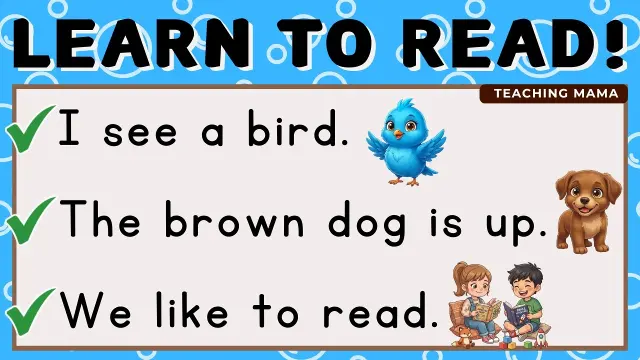 Sight Words Sentence Reading Practice for Early Readers
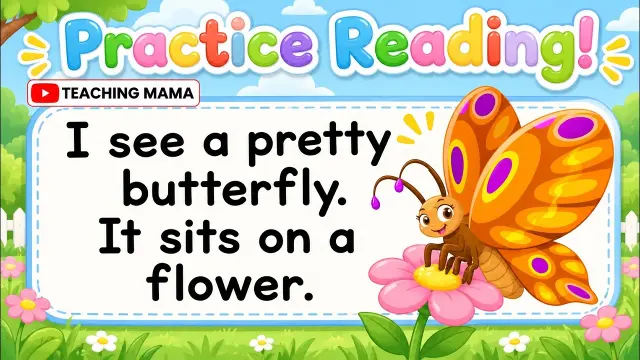 Practice Reading Simple Paragraphs for Early Readers and Kids
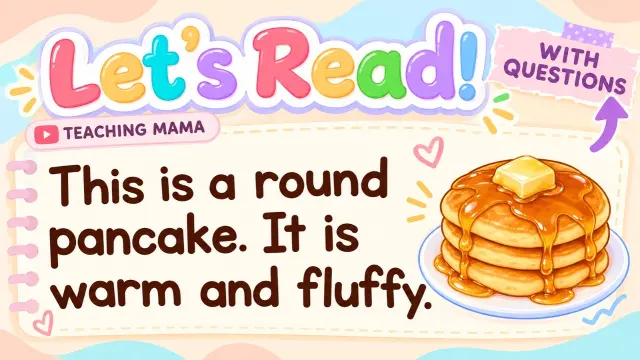 Reading Comprehension Practice with Simple English Passages
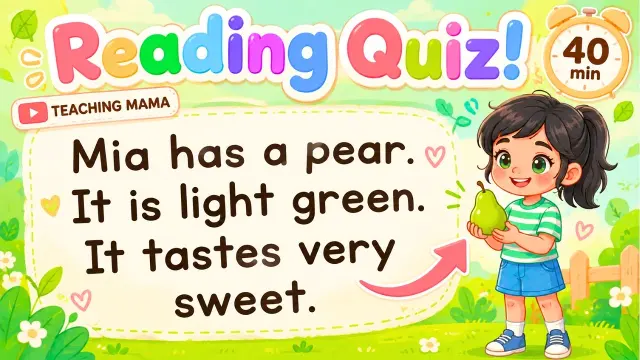 Reading Comprehension Practice with Simple English Passages
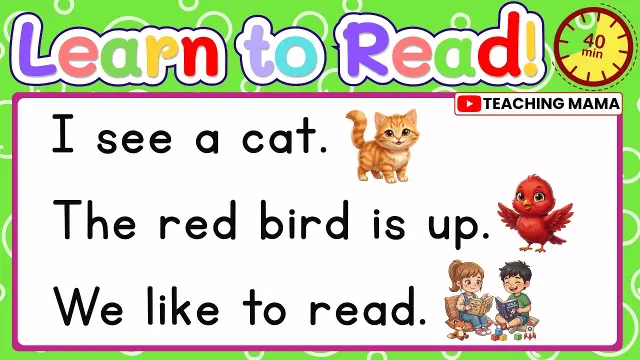 English Reading Practice with Simple Sentences for Kids
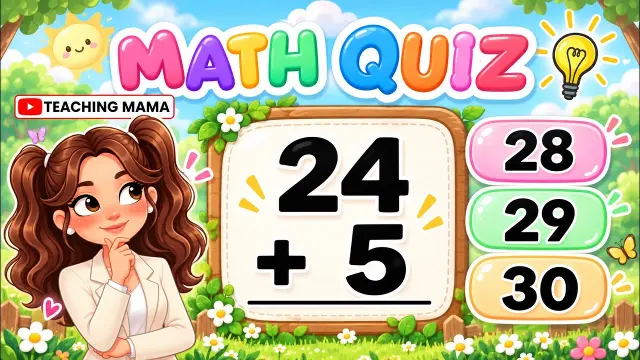 Fun Basic Addition Math Quiz Activity for Young Children
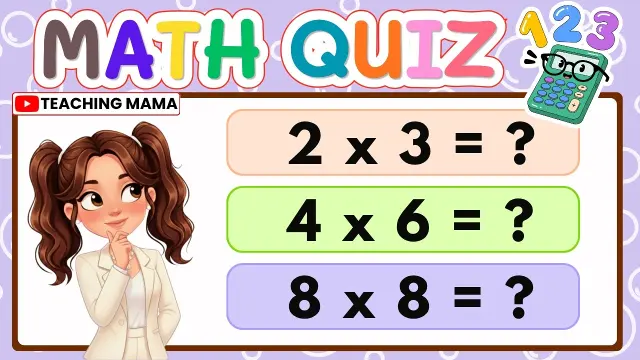 Fun Basic Multiplication Math Quiz Activity for Young Children
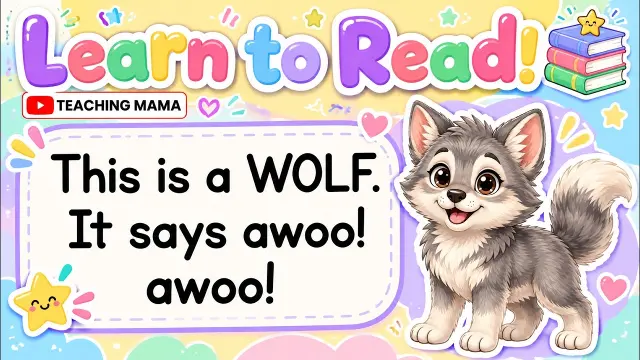 Practice Reading Simple Paragraphs for Early Readers and Kids
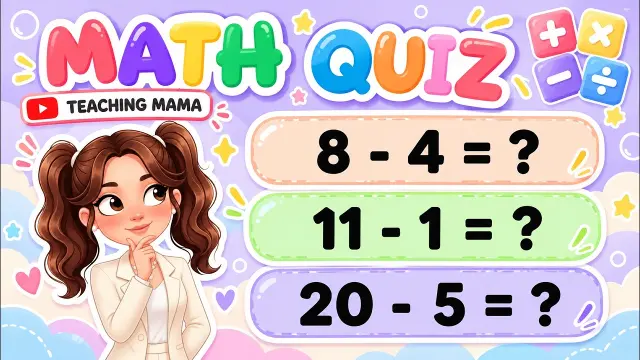 Fun Basic Subtraction Math Quiz Activity for Young Children
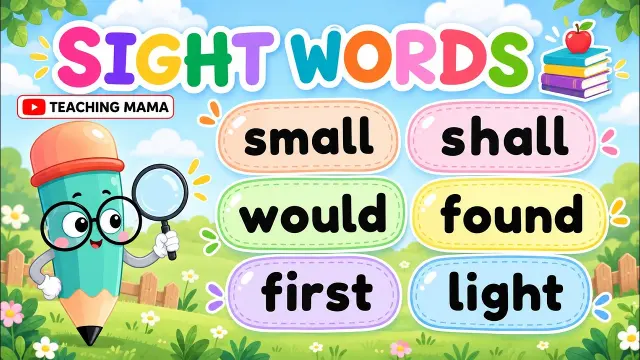 English Sight Words Practice and Science of Reading for Kids
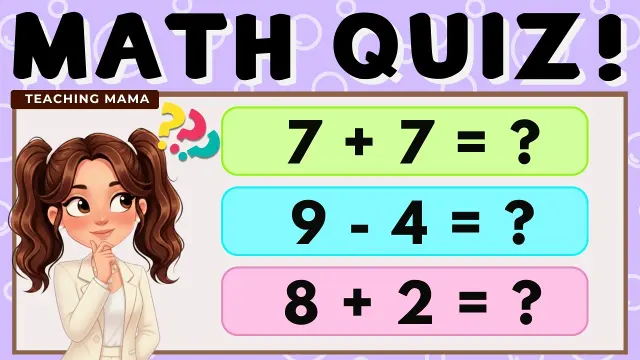 Interactive Math Quiz for Kids Addition and Subtraction
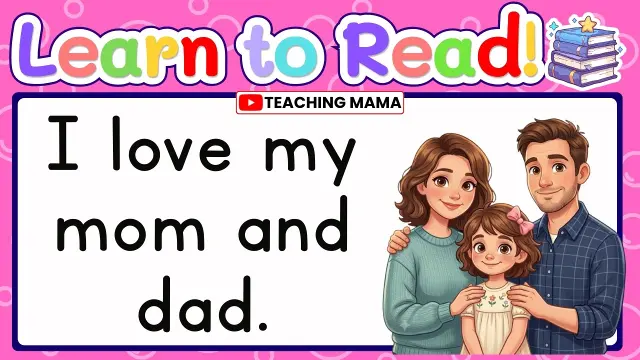 Simple Reading Lesson with Sight Word Sentences for Children
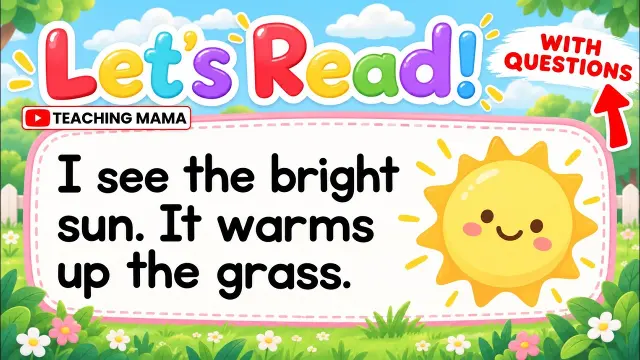 Reading Comprehension and Simple Sentence Practice for Kids
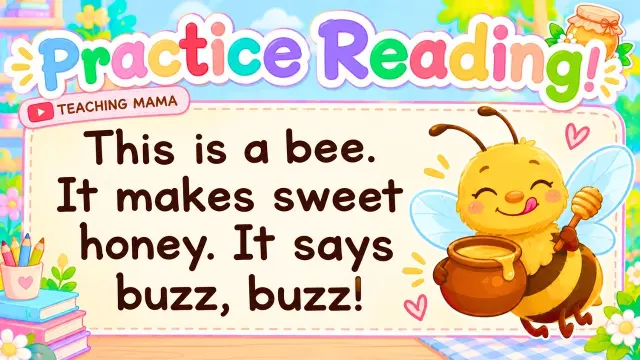 Reading Practice with Simple Paragraphs for Young English Learners
Get new #Teaching Mama ideas by email
Every Thursday: the week's best ideas, with the newest from #Teaching Mama.
Related tags
Teaching Children at Home and in Daily Life
What teaching a child really means
Teaching a child is not only about sitting down with books and worksheets. It also happens through play, routine, conversation, repetition, and the small moments of everyday life. Children learn best when they feel safe, interested, and supported, so the most helpful teaching often looks calm, patient, and consistent.
At home, teaching can include early language, counting, reading, writing, art, manners, problem-solving, and practical life skills. It can also mean encouraging curiosity: asking questions, noticing patterns, and letting a child try things for themselves. The goal is not only to give answers, but to help a child build confidence in learning.
Common ways children learn
Read more
Different children respond to different methods, but most benefit from a mix of approaches:
- Visual learning: pictures, charts, books, drawing, and demonstrations
- Hands-on learning: blocks, sorting games, crafts, puzzles, and simple experiments
- Auditory learning: songs, rhymes, read-alouds, and conversation
- Movement-based learning: acting things out, tracing letters in the air, counting steps, or using objects while learning
For young children especially, short and engaging activities often work better than long lessons. Repetition is useful, because children usually need to hear, see, and do something many times before it becomes familiar.
What beginners should know
If you are teaching a child, start with the basics and keep expectations realistic. Children do not need perfect lessons; they need clear, steady guidance. It helps to choose one skill at a time and practice it in small steps.
A few simple principles can make learning easier:
- Keep lessons brief and regular
- Use simple words and clear examples
- Repeat important ideas in different ways
- Praise effort, not just correct answers
- Allow mistakes as part of learning
- Mix structured activities with free play
A child learns better when the atmosphere is calm. If something feels too hard, break it down into smaller parts. If attention fades, pause and return later. Learning should feel encouraging, not overwhelming.
Teaching through everyday life
Many useful lessons happen outside formal study. You can teach by involving a child in everyday tasks such as:
- Counting fruit, toys, or steps
- Naming colors, shapes, and objects
- Reading signs, labels, and simple instructions
- Talking about feelings and solving small conflicts
- Sorting laundry, setting the table, or tidying up
- Cooking together and noticing measurements, time, and sequence
These everyday activities build language, memory, coordination, and independence. They also show children that learning is a normal part of life, not something separate from it.
A gentle approach that lasts
The best teaching style is often warm, patient, and flexible. Children grow at different speeds, and they may be ready for different things at different times. If you stay consistent, notice what interests them, and make room for curiosity, you help learning become a natural habit.
Teaching a child is really about guiding them step by step. When you keep it simple, encouraging, and practical, you give them tools they can use for a long time.
Videos come from YouTube and posts from Instagram; titles and summaries are our own. All rights belong to their creators.