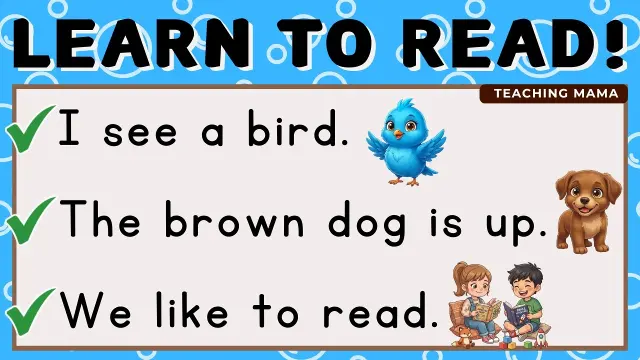
 Sight Words Sentence Reading Practice for Early Readers
#Sight Words
5 ideas
Sight Words Sentence Reading Practice for Early Readers
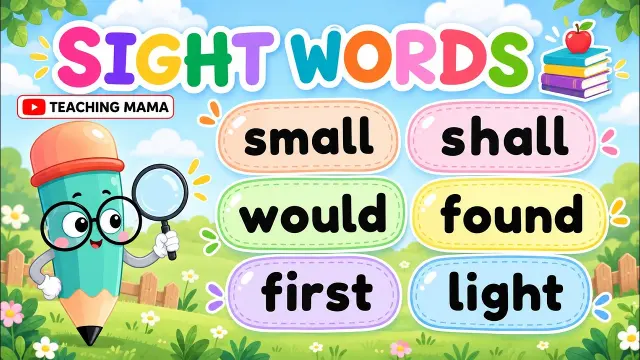 English Sight Words Practice and Science of Reading for Kids
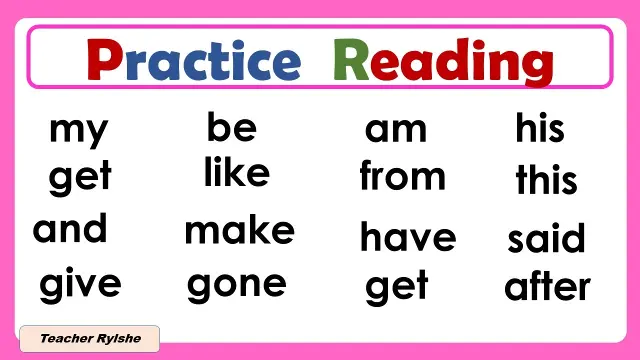 New Sight Words Reading Practice for Elementary Students
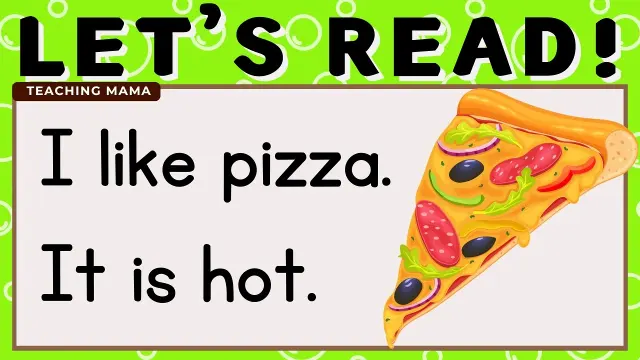 Learning Simple Sight Word Sentences with Visuals
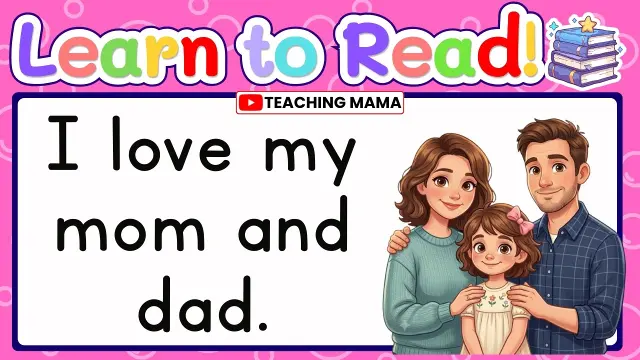 Simple Reading Lesson with Sight Word Sentences for Children
Get new #Sight Words ideas by email
Every Thursday: the week's best ideas, with the newest from #Sight Words.
Related tags
Sight Words for Early Reading
What sight words are
Sight words are words that readers recognize quickly and automatically, without needing to sound out every letter each time. Many of them are very common words in children’s books and everyday writing, such as short function words and high-frequency words. Because they appear so often, becoming familiar with them helps reading feel smoother and less tiring.
Sight words are especially useful in the early stages of reading. When a child can recognize a word at a glance, more attention is available for understanding the meaning of the sentence. This can make reading more fluent and less frustrating.
Why they matter
Read more
Learning sight words helps build confidence. A beginning reader who can recognize a few important words can start reading simple sentences more independently. Over time, these words become part of the reader’s automatic vocabulary, which supports speed, comprehension, and expression.
Sight words are not the whole of reading, though. Children still need phonics, vocabulary, and plenty of practice with real texts. Sight word learning works best as part of a broader reading approach, not as the only method.
Common kinds of sight words
There are different ways to think about sight words:
- High-frequency words: words that appear often in books and writing
- Irregular words: words that do not follow very simple spelling patterns perfectly
- Common function words: small words that help sentences work, such as connectors, articles, and pronouns
Some sight words can be decoded partly by phonics, while others need extra practice because their spelling is less regular. The exact list may vary depending on the reading program, but the goal is always the same: quick, reliable recognition.
How to learn them
Sight words are usually learned through repeated, meaningful exposure. Reading and writing the same word in different contexts helps it stick. Flashcards can be useful, but they work best when they are paired with reading sentences, games, and short books.
Helpful ways to practice include:
- Reading short sentences with one new word at a time
- Tracing, writing, and saying the word aloud
- Finding the word in books, labels, or simple charts
- Using picture-supported sentences for extra meaning
- Repeating the word in small, spaced practice sessions
Tips for beginners
Start small. A short list is easier to learn than many words at once. Choose words that appear often in the books your child is already reading. Keep practice light and encouraging, and revisit words regularly rather than trying to master everything in one sitting.
It also helps to connect sight words with real reading. Instead of memorizing isolated lists only, use them in simple phrases and sentences. That way, the word becomes meaningful, not just familiar by shape.
Most of all, be patient. Learning to recognize words quickly takes time, and every child moves at a different pace. Consistent practice, simple books, and plenty of encouragement make sight words much easier to learn.
Videos come from YouTube and posts from Instagram; titles and summaries are our own. All rights belong to their creators.