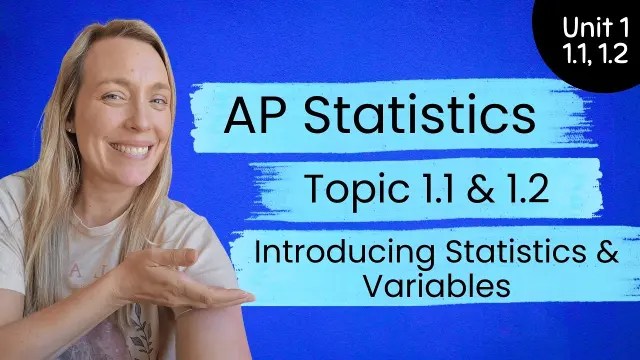
 AP Statistics Unit 1 Guided Notes on Variables and Studies
#Study Guide
54 ideas
AP Statistics Unit 1 Guided Notes on Variables and Studies
 Complete Statistics Study Guide Covering Main Topics in One Hour
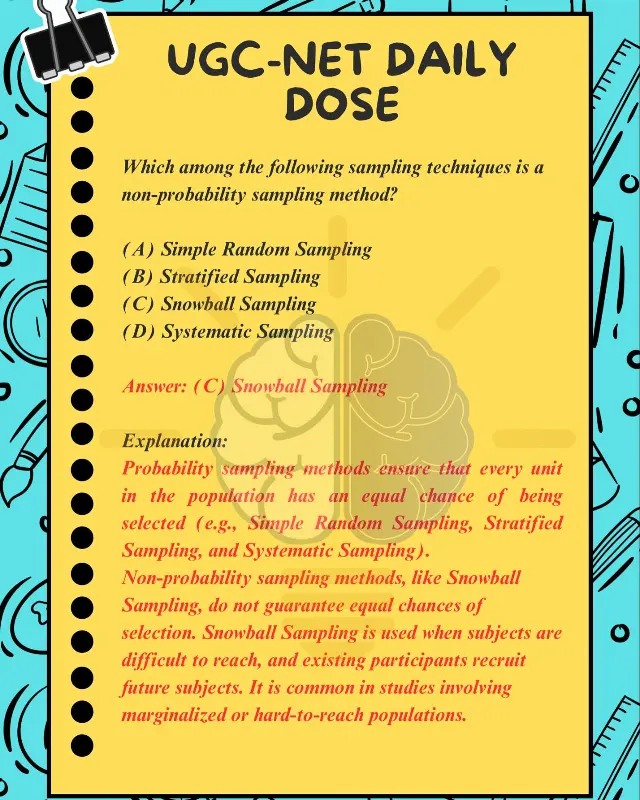 Daily trivia question exploring non probability sampling techniques
 Rapid Revision of Large Numbers Around Us in Fifteen Minutes
 Understanding Chess Calculation Like Advanced Players
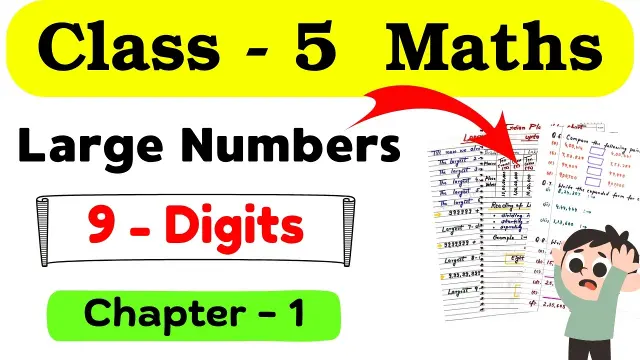 Understanding Class 5 Large Numbers and Place Value
 Realistic Study Guide for Working Students Without Burnout
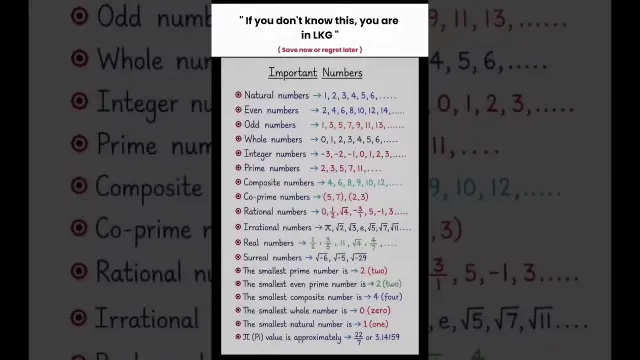 Essential Number Categories Every Student Should Know
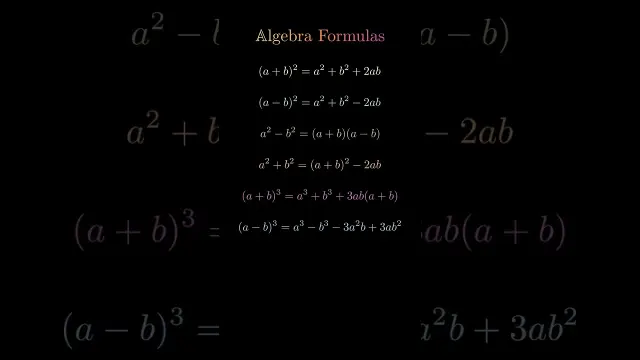 Nine Essential Algebra Formulas And Algebraic Identities
 Complete Reading and Language Arts Guide for the GED
 CompTIA A+ 220-1202 Full Course for Exam Preparation
 USCIS N-400 Naturalization Interview Practice With Answers
 Advanced Science Practice Lesson and Questions for the GED
 California Life Insurance State Specific Exam Study Guide
 aPHR Exam Study Guide and Eight Week Preparation Plan
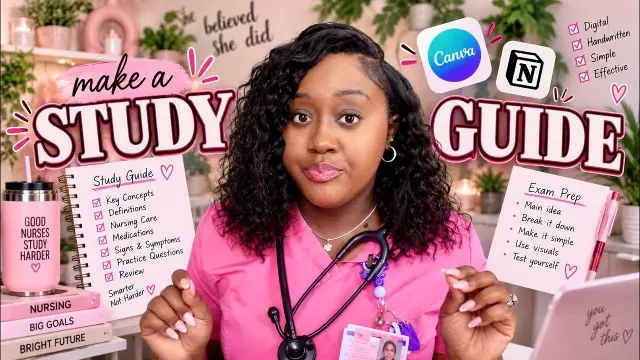 How to Create Effective Digital or Handwritten Study Guides
 ATI TEAS Science Practice Test Mini Lessons
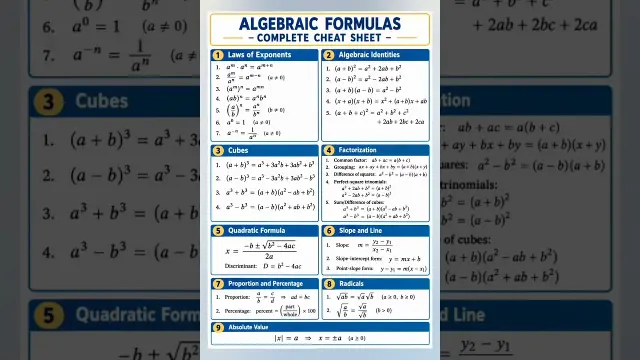 Collection of All Important Algebra Formulas Explained
 GED Social Studies Civics and Government Study Guide
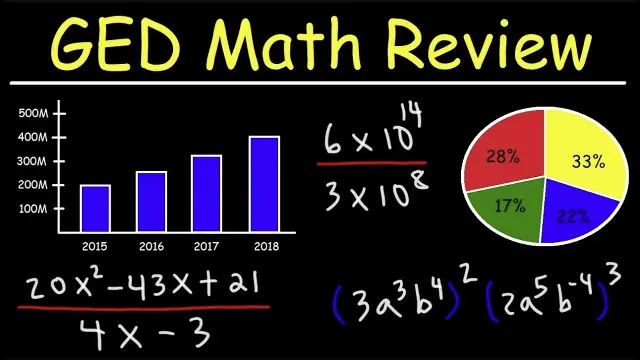 Comprehensive GED Math Practice Test and Study Guide Review
 Civics Test Study Method with Nine Groups and Repetition
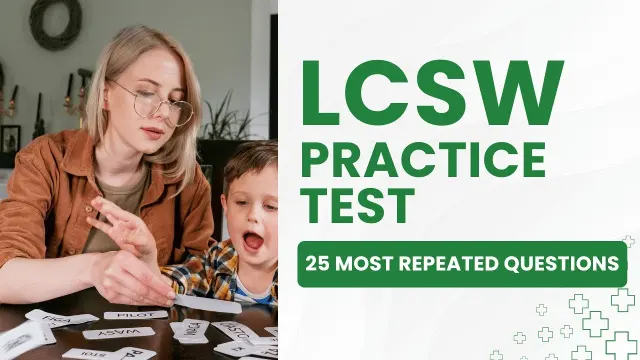 LCSW Practice Test With 25 Repeated Social Work Exam Questions
 USCIS 128 Civics Questions and Answers in Order
 Official USCIS 128 Civics Questions Grouped for Study
Get new #Study Guide ideas by email
Every Thursday: the week's best ideas, with the newest from #Study Guide.
Related tags
Study Guide Basics and How to Use One
What a study guide is
A study guide is a structured tool that helps you review and understand information more easily. It may be a summary of a subject, a list of key ideas, or a set of questions and answers that helps you focus on what matters most. People use study guides for school subjects, exams, professional learning, or any topic they want to remember better.
At its core, a study guide turns a large amount of material into something more manageable. Instead of reading everything again from the beginning, you can use a guide to revisit the main points, organize your thoughts, and notice what still needs work.
Common kinds of study guides
Read more
Study guides can take many forms, depending on the subject and the way you learn best.
- Outline guides: these arrange topics in a clear hierarchy, from broad ideas to smaller details.
- Summary guides: these condense chapters, lessons, or units into short, readable sections.
- Question-and-answer guides: these help you test your memory and check your understanding.
- Concept maps and charts: these show how ideas connect, which is useful for visual learners.
- Flashcard-style guides: these focus on quick recall of facts, terms, or definitions.
A good guide is not always the longest one. Often, the most useful guide is the one that is clear, accurate, and easy to return to.
How to make a useful study guide
Start by collecting the material you need to learn. Look for repeated ideas, headings, definitions, formulas, or themes. These are usually the most important parts. Then break the content into small sections and write it in your own words. That step matters because it helps you understand the material instead of copying it mechanically.
A strong study guide usually includes:
- Main topics and subtopics
- Short explanations
- Important terms and definitions
- Examples where helpful
- Questions to test yourself
Keep the language simple. If a topic is complex, try to explain it as if you were teaching it to someone else. That often reveals what you do and do not understand.
How to use a study guide well
A study guide works best when you use it actively. Read a section, then cover it and try to recall the key points. Ask yourself questions and answer them without looking. Revisit the parts you miss, and repeat them later.
It also helps to review in short sessions rather than trying to memorize everything at once. Spacing out your practice gives your brain more time to retain information. If you are preparing for a test or presentation, use the guide to check both knowledge and confidence.
Practical tips
- Keep your guide neat and easy to scan.
- Focus on understanding, not just copying notes.
- Use color or layout only if it helps you organize ideas.
- Update the guide as you learn more.
- Make sure it matches the exact material you need to study.
A study guide is most helpful when it becomes a learning tool, not just a finished document. If you build it carefully and revisit it often, it can make study time calmer, clearer, and more effective.
Videos come from YouTube and posts from Instagram; titles and summaries are our own. All rights belong to their creators.