 USCIS 128 Civics Questions and Answers in Random Order
#Civics
14 ideas
USCIS 128 Civics Questions and Answers in Random Order
 USCIS 128 Civics Questions and Answers in Random Order
 Official USCIS 128 Civics Questions in Order
 Civics Test Study Method with Nine Groups and Repetition
 US Citizenship Test 128 Civics Questions and Answers Set One
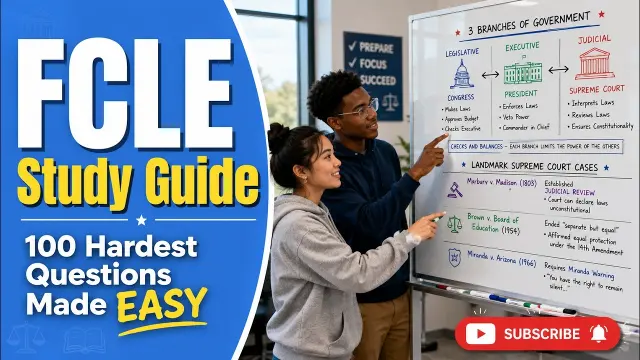 Florida Civic Literacy Exam Hardest Questions Study Guide
 Challenging GED Social Studies Practice Questions and Explanations
 Full Answers for 128 Civics Questions in Random Order
 Slow Review of 128 Civics Questions in Random Order
 128 Civics Questions for US Citizenship by Nine Groups
 USCIS 128 Civics Questions with Simple Answers Spoken Slowly
 Pass the US Citizenship Test with 128 Civics Questions
 128 Civics Questions Grouped and Repeated for Memorization
 Fast Review of Official USCIS 128 Civics Questions in Order
Get new #Civics ideas by email
Every Thursday: the week's best ideas, with the newest from #Civics.
Related tags
Civics: Understanding How Society Works
Civics is the study of how people live together in organized communities. It looks at government, laws, rights, responsibilities, and the ways citizens take part in public life. At its heart, civics asks a simple question: how do we share power, make decisions, and solve problems together?
The idea of civics comes from long traditions of public life in ancient cities and later in modern democratic societies. Over time, it has come to mean not only knowledge of government, but also the habits and skills that help a community function well. That includes understanding public institutions, respecting the rule of law, and taking part in civic life in thoughtful ways.
What civics covers
Civics can include many subjects:
- How governments are structured
- The meaning of rights and responsibilities
- The role of laws and public institutions
- Voting and participation in public decision-making
- Citizenship, community service, and civic engagement
- The relationship between individuals and society
Read more
In some settings, civics is taught as a school subject. In everyday life, it also shows up when you read about local issues, attend a meeting, fill out forms, or try to understand a public policy.
Main ideas in civics
A few core ideas appear again and again:
- Rights protect people and help ensure fairness
- Responsibilities are the duties people carry as members of a community
- Laws create shared rules that apply to everyone
- Government is a system for making and carrying out decisions
- Participation gives people a voice in public life
Civics is not only about national government. Local government matters too, because it often affects daily life more directly, through schools, roads, safety, housing, and public services.
Ways to learn and practice civics
If you’re new to the topic, start with the basics:
- Learn the names and roles of major public institutions
- Understand how laws are made and enforced
- Find out how voting and representation work in your area
- Read news carefully and compare different sources
- Notice how public choices affect your community
You can also practice civics by taking part in ordinary civic acts: discussing issues respectfully, helping neighbors, volunteering, or attending community meetings. Civic life is not only formal politics; it is also the everyday work of living responsibly with others.
Different styles of civic life
Civic traditions vary from place to place, but most include some balance of:
- Participation, where people help shape decisions
- Representation, where elected officials speak for others
- Accountability, where leaders are expected to answer to the public
- Pluralism, where different views and backgrounds are respected
A strong civic culture depends on knowledge, patience, and a willingness to listen. You do not need to know everything at once. Start by understanding the rules, the institutions, and your own place within them. Civics becomes most useful when it helps you move from being a bystander to being an informed participant.
Videos come from YouTube and posts from Instagram; titles and summaries are our own. All rights belong to their creators.