 Complete Reading and Language Arts Guide for the GED
#GED
14 ideas
Complete Reading and Language Arts Guide for the GED
 Advanced Science Practice Lesson and Questions for the GED
 GED Social Studies Civics and Government Study Guide
 Quick Practice Test for the GED Science Exam
 Quick Practice Questions for GED Social Studies
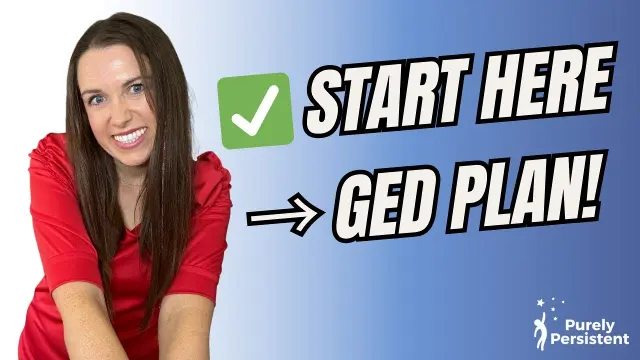 Step-by-Step Guide on How to Start Studying for the GED
 Complete Guide and Calculator Tricks for GED Math
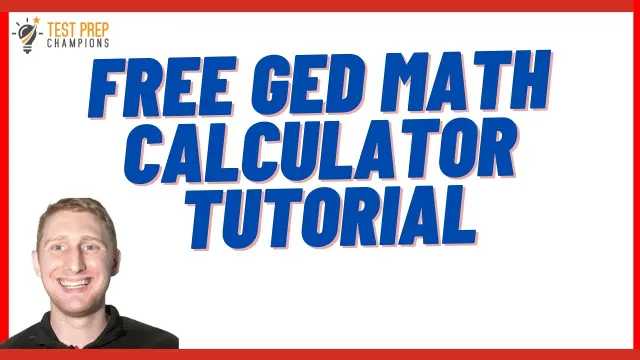 Essential Calculator Tips to Boost Your GED Math Score
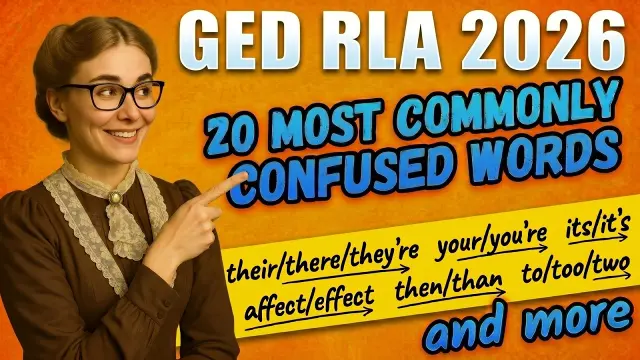 Top Twenty Commonly Confused Words on the GED RLA Test
 Comprehensive GED Social Studies Guide for Test Preparation
 Challenging Language Arts Practice Questions for the GED
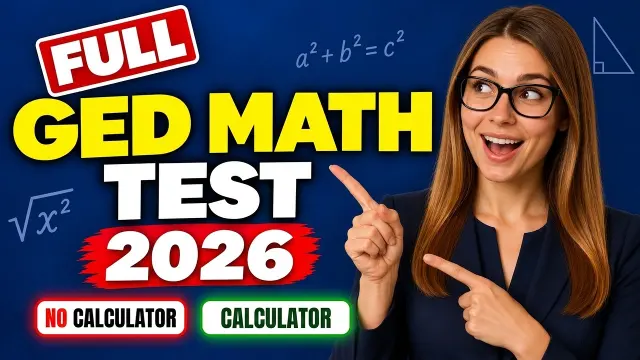 Full GED Math Practice Test Walkthrough and Review
 How to Solve Ratio Problems on the GED Math Test
 GED Social Studies Test Practice Questions and Review
Get new #GED ideas by email
Every Thursday: the week's best ideas, with the newest from #GED.
Related tags
GED: A Practical Guide to the High School Equivalency Exam
The GED is a high school equivalency credential that is widely used as an alternative to a traditional high school diploma. It is designed for adults and other learners who did not complete high school and want a recognized way to show academic readiness for work, training, or further study. The name is often used to refer both to the credential and to the test itself.
What the GED covers
The GED usually assesses core school subjects that reflect essential high school skills. These typically include reading and writing, mathematics, science, and social studies. The goal is not memorizing isolated facts, but showing that you can understand information, solve problems, interpret texts, and apply knowledge in practical situations.
Each subject area has its own style of questions. Some items ask you to read passages, charts, or graphs and answer questions based on them. Others focus on short written responses or solving math problems step by step. Because the test is skills-based, steady practice matters more than last-minute cramming.
Read more
Who the GED is for
People choose the GED for many different reasons. You might be returning to education after time away, looking for a better job, preparing for college or vocational training, or simply wanting to finish an important goal. Whatever your reason, it can help to think of the GED as a bridge: it shows that you have the academic foundation needed for the next step.
How to prepare well
A good study plan starts with a clear sense of your strengths and weak spots. Begin by reviewing each subject area and paying attention to the kinds of questions that feel familiar and the ones that need more work. It often helps to study a little at a time, consistently, rather than trying to do everything at once.
- Read regularly to build comprehension and vocabulary.
- Practice basic math skills until they feel more automatic.
- Work with sample questions so you get used to the format.
- Review charts, graphs, and short informational texts.
- Write short responses to practice organizing your thoughts clearly.
Tips for beginners
If you are just starting, keep things simple. Focus first on understanding the test structure and building confidence. Use plain, reliable study materials, and do not worry about learning everything at once. It is normal to need more time in one subject than another.
Try to study in a quiet place, set small goals, and track your progress. If possible, practice under timed conditions from time to time so the real test feels less unfamiliar. On test day, reading instructions carefully and pacing yourself can make a big difference.
The GED is not about perfection. It is about showing readiness, persistence, and the ability to use important academic skills.
Videos come from YouTube and posts from Instagram; titles and summaries are our own. All rights belong to their creators.