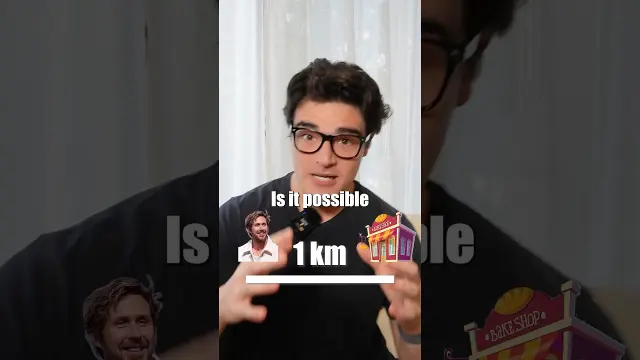
 Zeno's dichotomy paradox and the impossible 1 km walk
#Math Paradox
14 ideas
Zeno's dichotomy paradox and the impossible 1 km walk
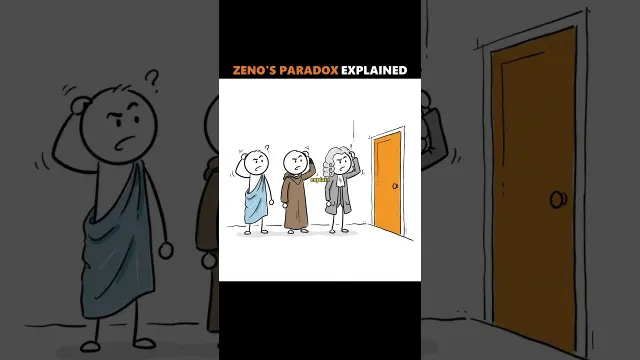 Zeno's paradox and why you can still reach the door
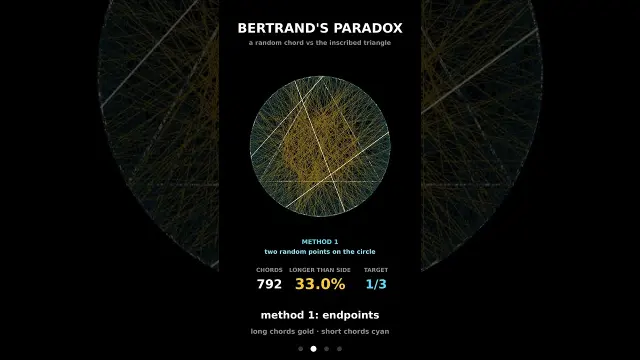 Why Probability Breaks Down in This Simple Circle Geometry Paradox
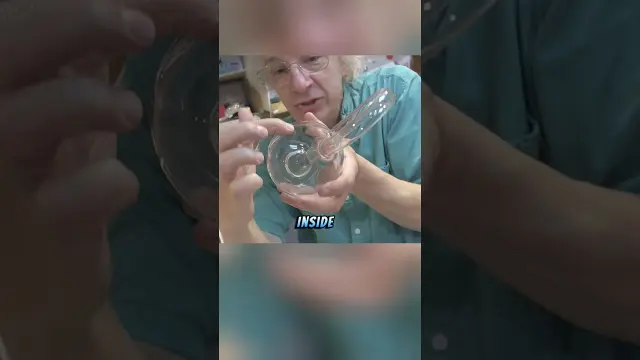 A Klein bottle with no inside or outside
 Banach-Tarski paradox and turning one sphere into two
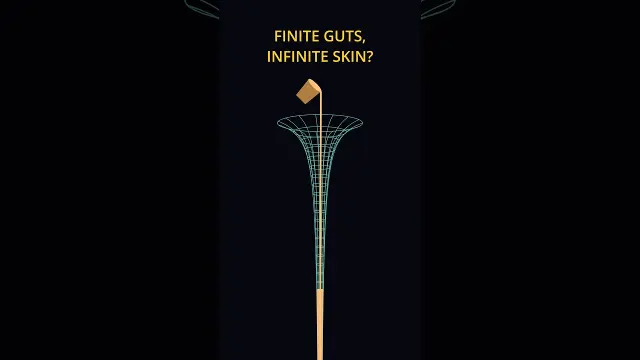 The painter's paradox and why physics changes the result
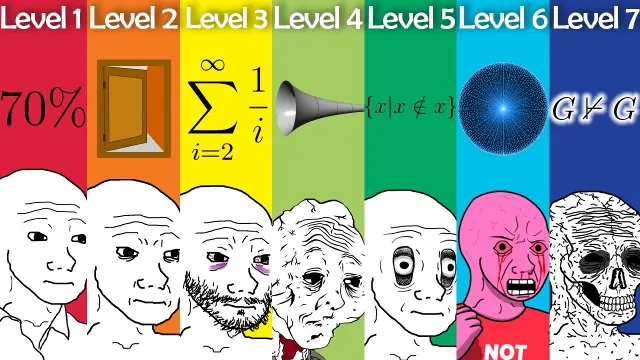 Seven levels of math paradox in one video
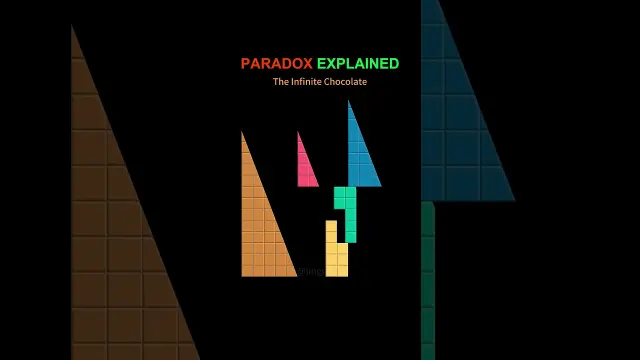 The infinite chocolate paradox explained with geometry
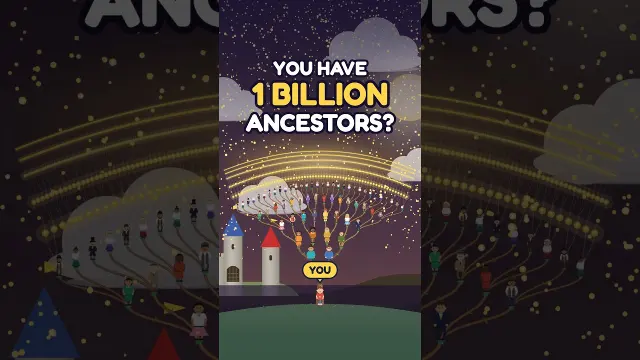 The Mathematical Paradox of Calculating Family Ancestors
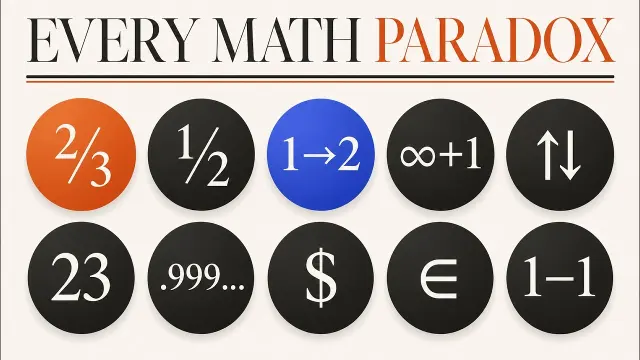 Ten classic mathematical paradoxes explained clearly
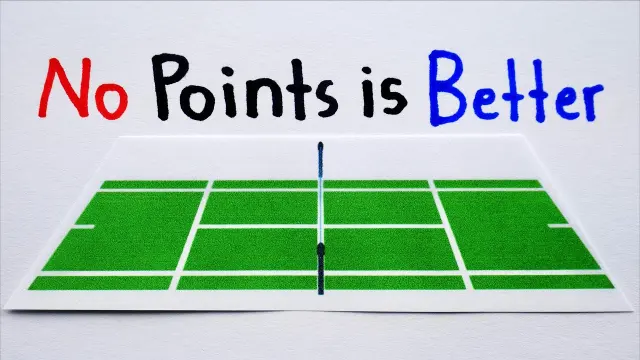 The tennis score paradox in probability and scoring
 Banach-Tarski paradox and the math of splitting a sphere
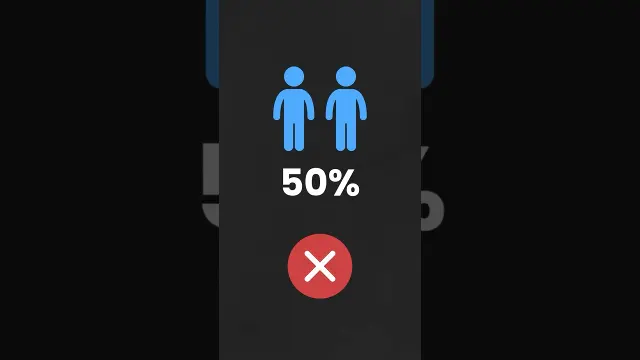 The two-child probability paradox explained
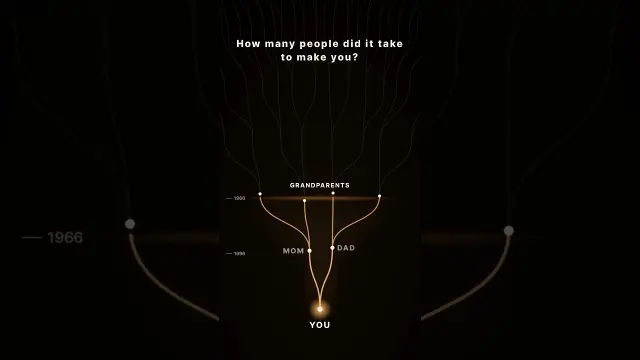 A family tree paradox about ancestry and repeated ancestors
Get new #Math Paradox ideas by email
Every Thursday: the week's best ideas, with the newest from #Math Paradox.
Related tags
Mathematical Paradoxes Explained
Mathematical paradoxes are statements, situations, or puzzles that seem to lead to a contradiction, an impossible result, or a conclusion that feels wrong at first. They are not usually “mistakes” in the casual sense. More often, they reveal a hidden assumption, a tricky definition, or a limit in the way a problem has been set up. That is why paradoxes are so useful in mathematics: they teach you to question what seems obvious.
What a paradox is
In mathematics, a paradox often appears when logical steps seem sound but the outcome is surprising. Sometimes the contradiction is only apparent, meaning that one of the steps relied on an assumption that does not actually hold. Other times, a paradox points to a place where ordinary intuition breaks down, especially with infinity, self-reference, or very large sets.
Some paradoxes are famous because they challenge the idea of what numbers, sets, or infinity can mean. Others are simpler and are used as teaching tools to sharpen logical thinking. In every case, the value of a paradox is not confusion for its own sake, but the careful analysis that follows.
Read more
Where paradoxes come from
Many mathematical paradoxes come from a few common sources:
- ambiguous language or definitions
- hidden assumptions
- self-reference
- infinity and limit behavior
- mixing different kinds of reasoning without noticing it
For example, a statement may seem true if you treat a quantity as finite, but fail when the same idea is extended to infinitely many steps. Similarly, a problem may become impossible once you define its terms more precisely.
Common kinds of mathematical paradox
There are several broad types you may come across:
- Logical paradoxes, where reasoning loops back on itself
- Set-theoretic paradoxes, where collections of objects create unexpected contradictions
- Infinity paradoxes, where infinite processes produce surprising results
- Probability paradoxes, where intuition about chance does not match the formal answer
- Geometric paradoxes, where shapes or measures seem to behave in impossible ways
Each kind shows that mathematics depends on exact definitions. What feels contradictory may be perfectly consistent once the rules are stated carefully.
How to think about them
If you are new to paradoxes, the best approach is to slow down and check each step. Ask yourself:
- What exactly has been assumed?
- Are all the terms clearly defined?
- Is infinity involved?
- Is the same idea being used in two different ways?
- Could the conclusion depend on a special case?
A good paradox does not reward quick answers. It rewards patience.
Why they matter
Mathematical paradoxes are more than clever puzzles. They have helped mathematicians refine logic, improve definitions, and understand the foundations of the subject more deeply. They also make mathematics more interesting, because they show that intuition is useful, but not always enough.
If you enjoy them, treat paradoxes as invitations to look more closely. The surprise is often the beginning of understanding, not the end of it.
Videos come from YouTube and posts from Instagram; titles and summaries are our own. All rights belong to their creators.