 AP Statistics Unit 4 Review on Probability and Random Variables
#Probability
24 ideas
AP Statistics Unit 4 Review on Probability and Random Variables
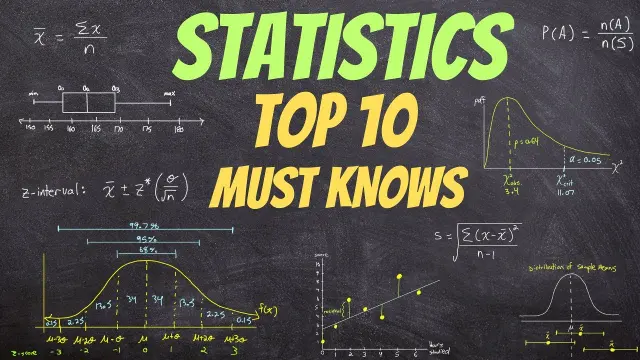 Complete Statistics Study Guide Covering Main Topics in One Hour
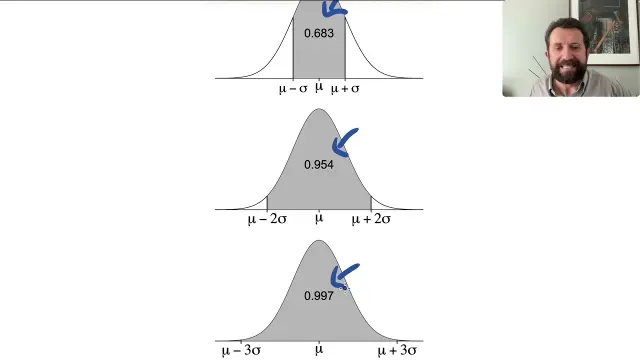 Continuous Probability Distributions and the Normal Distribution Lecture
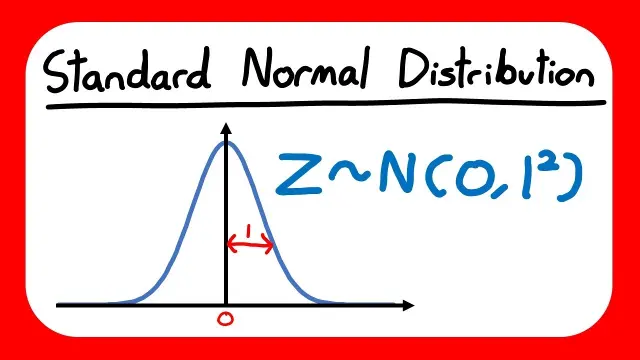 Working with the Standard Normal Distribution and Probabilities
 Learn Probability Theory from Scratch in a Comprehensive Full Course
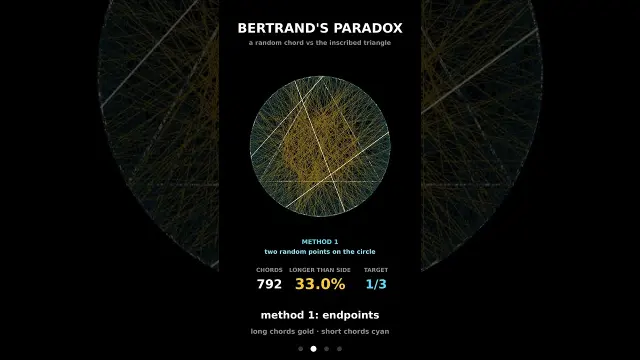 Why Probability Breaks Down in This Simple Circle Geometry Paradox
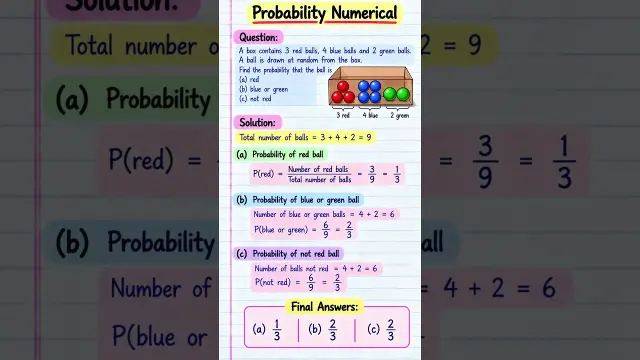 Can You Solve This School Level Probability Numerical Question
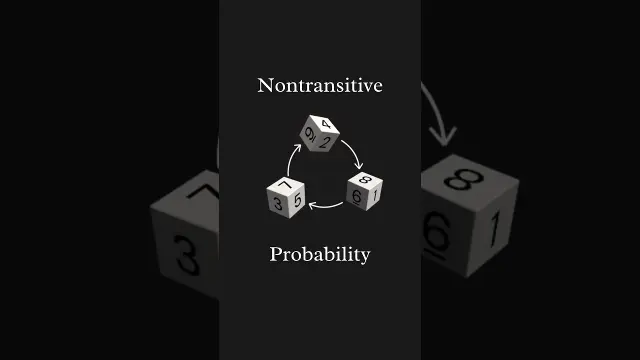 Exploring Nontransitive Probability With Dice and Mathematical Puzzles
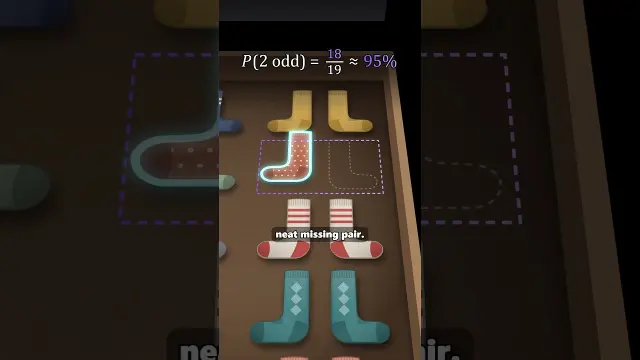 Why You Always End Up With Odd Socks Using Probability Tricks
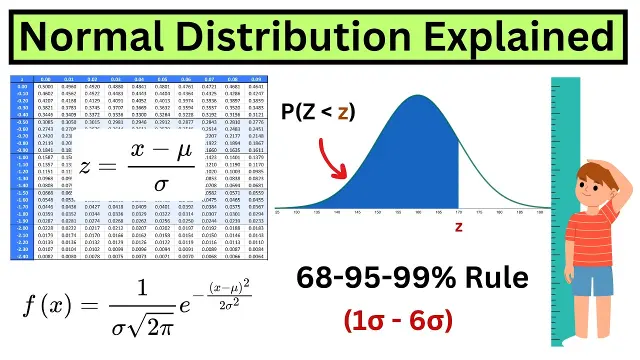 Comprehensive Explanation of the Normal Distribution and Bell Curves
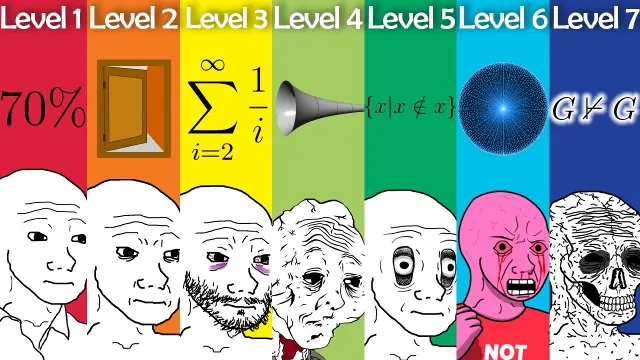 Seven levels of math paradox in one video
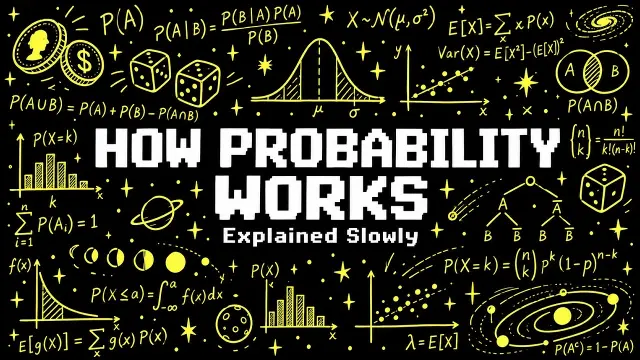 Understanding Probability Concepts and Mathematical Rules Slowly
 What Is Probability Actually and How It Quantifies Uncertainty in AI
 Top Five Toughest Probability Questions and Solutions for Class 10
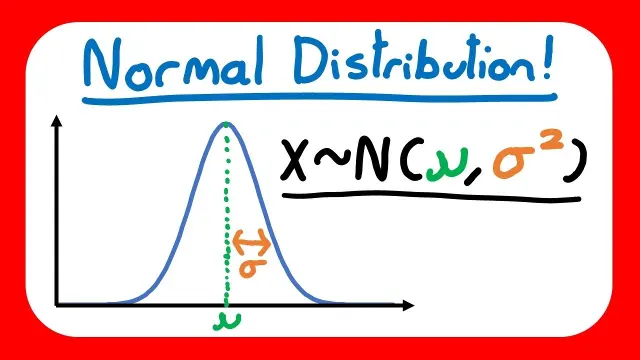 Normal Distribution Basics and Probabilities for A Level Maths
 AP Statistics Guided Notes on Density Curves and Normal Proportions
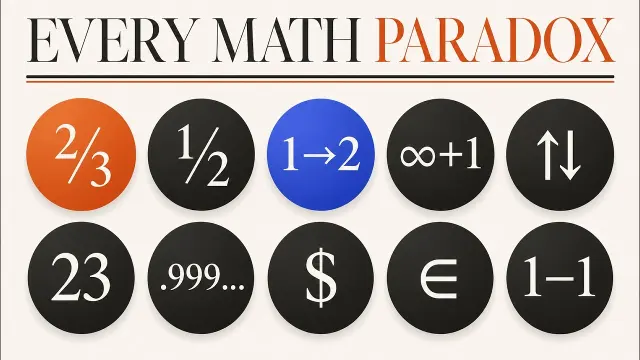 Ten classic mathematical paradoxes explained clearly
 The tennis score paradox in probability and scoring
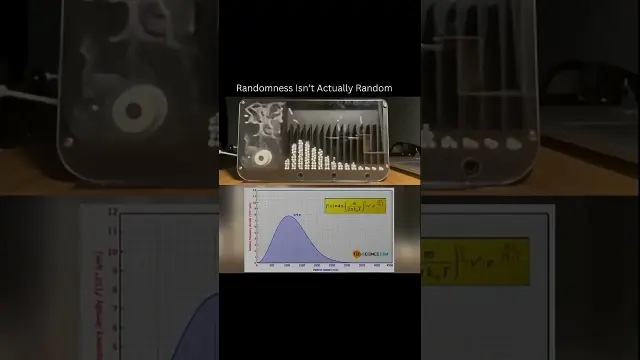 How Randomness Creates Order Through Normal Distribution Experiments
 Complete Probability Concepts and Previous Year Questions for JEE
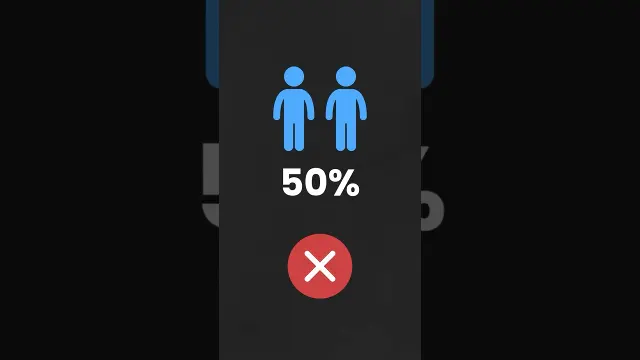 The two-child probability paradox explained
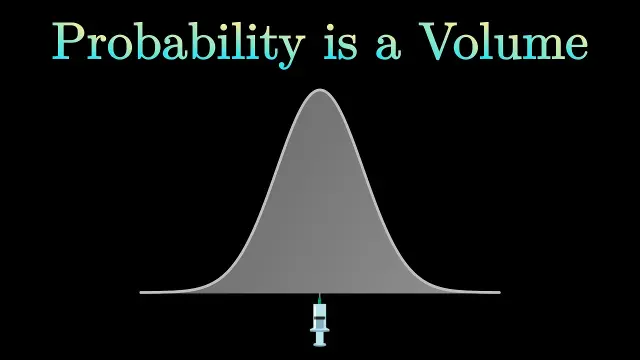 Intuitively Understand Probability Through Set Theory and Measure Theory
 A family tree paradox about ancestry and repeated ancestors
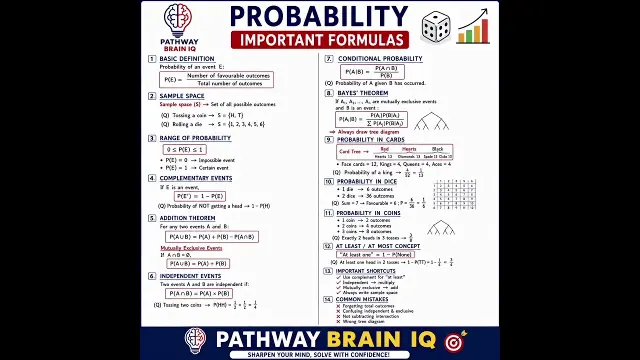 Master Important Probability Formulas and Quick Revision Shortcuts
Get new #Probability ideas by email
Every Thursday: the week's best ideas, with the newest from #Probability.
Related tags
Probability: Understanding Chance and Uncertainty
Probability is the study of chance: how likely an event is to happen, and how uncertainty can be described in a careful, structured way. It appears in mathematics, statistics, science, games, and everyday decisions. When you ask whether it might rain, whether a coin is fair, or how likely it is that a choice leads to a certain result, you are thinking in probabilistic terms.
What probability means
At its simplest, probability is a number that expresses how likely something is. A value near zero means the event is very unlikely; a value near one means it is very likely. In many basic situations, probability is written as a fraction, decimal, or percentage.
There are two main ways people think about probability. One is theoretical: if a situation has equally likely outcomes, you can work out the chance by counting favorable outcomes and comparing them with all possible outcomes. The other is experimental: you look at repeated observations or trials and estimate the chance from what actually happens.
Read more
Where probability is used
Probability is used whenever outcomes are uncertain but not random in a completely wild way. It helps in gambling and games, of course, but also in science, forecasting, quality control, medicine, engineering, and everyday planning. It gives a language for risk, expectation, and variation.
It is especially useful when results depend on many small factors. Instead of trying to predict one exact outcome, probability helps you understand patterns across many possible outcomes.
Common ideas and kinds
A few basic ideas appear often:
- Random experiment: an action with an uncertain result, such as tossing a coin or drawing a card.
- Outcome: one possible result.
- Event: a set of outcomes you care about.
- Sample space: the full set of possible outcomes.
- Independent events: events where one does not affect the other.
- Conditional probability: the chance of something happening given that something else has already happened.
Beginners often meet probability through simple models like coins, dice, cards, and urn problems. These are useful because they are easy to describe and help build intuition.
How to think about probability well
A common mistake is to trust intuition too quickly. Human judgment is good at stories, but not always at counting possibilities. A small chance can feel large if it is vivid, and a repeated event can seem surprising even when it is expected.
It helps to ask:
- What are the possible outcomes?
- Are they equally likely?
- What exactly is being counted?
- Does one event change another?
- Am I looking at one event or many repeated events?
Practical tips for beginners
Start with simple examples and write out the outcomes carefully. Draw diagrams, tables, or trees if the situation has several steps. Be precise about the event you are measuring, because small wording changes can change the answer. And remember that probability describes chance, not certainty: even a likely event can fail, and an unlikely event can still happen.
If you learn probability slowly and methodically, it becomes a powerful way to reason about uncertainty in both mathematics and daily life.
Videos come from YouTube and posts from Instagram; titles and summaries are our own. All rights belong to their creators.