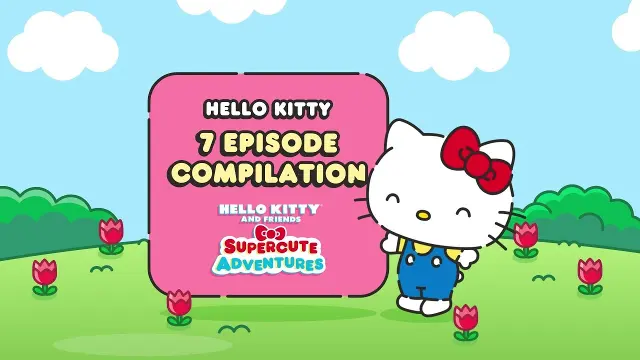
 Hello Kitty and Friends Supercute Adventures Seven Episode Compilation
#Cartoon
7 ideas
Hello Kitty and Friends Supercute Adventures Seven Episode Compilation
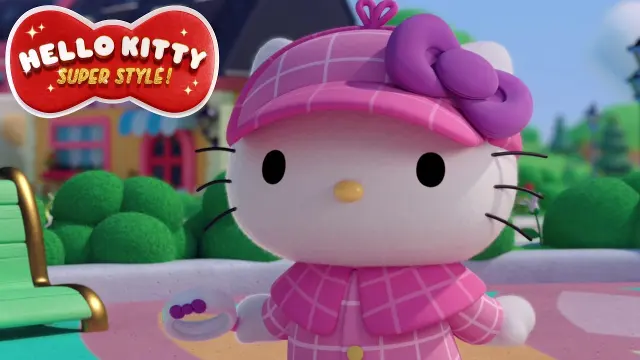 Hello Kitty Animated Episode Featuring Detective Kitty Solving a Mystery
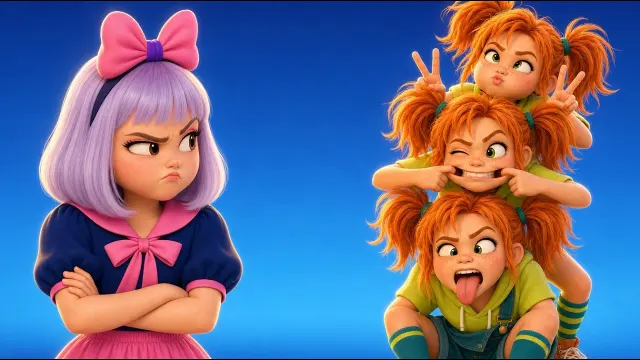 Copycat Song Cartoon Version for Toddlers
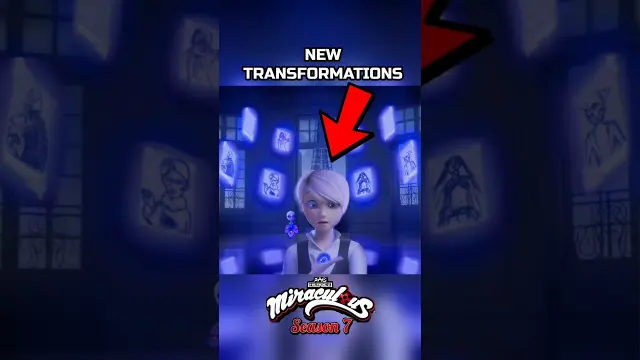 New Hero Transformations in Season Seven
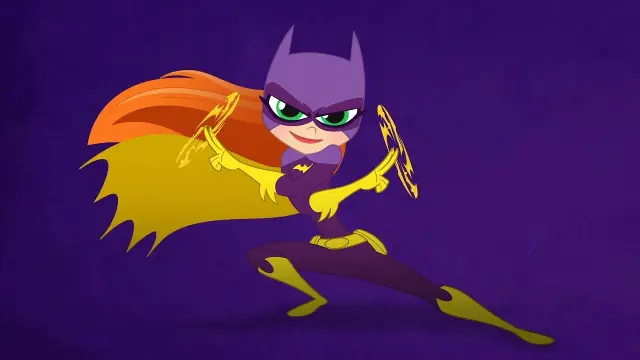 DC Superhero Girls Character Transformations
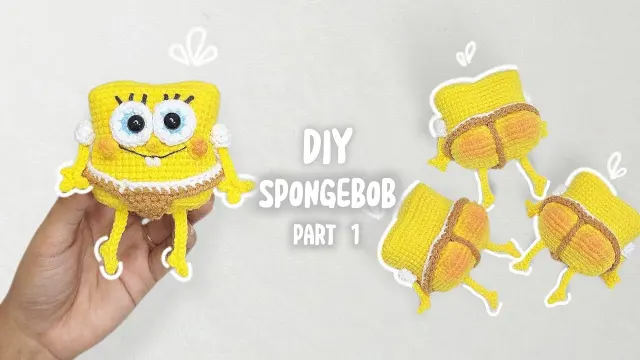 Easy SpongeBob amigurumi crochet tutorial for beginners
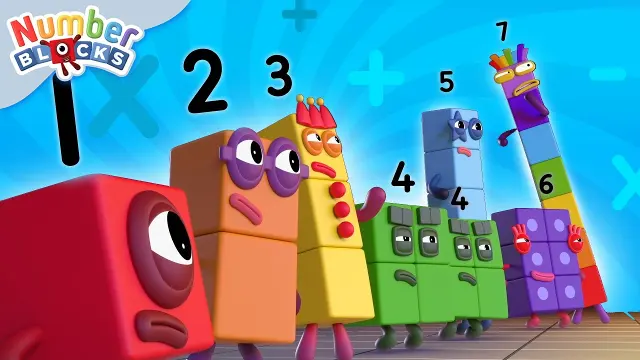 Learn to Count for Kids Compilation with Numberblocks
Get new #Cartoon ideas by email
Every Thursday: the week's best ideas, with the newest from #Cartoon.
Related tags
Cartoon Art and Character Design Basics
What cartoons are
Cartoons are simplified, expressive drawings made to entertain, tell stories, or comment on the world. The word can refer to single-panel illustrations, comic strips, animated films, television shows, and character-based art in a playful style. What they all share is exaggeration: larger eyes, bold shapes, clear emotions, and a strong visual personality.
Cartooning grew out of editorial drawing, comics, and early animation. Over time, it became a broad art form used in children’s media, satire, advertising, education, and social commentary. Because cartoons can be funny, gentle, dramatic, or symbolic, they are one of the most flexible visual languages in art and design.
Main styles and forms
Read more
Cartoons come in many forms, and each has its own purpose.
- Comic strips use panels and dialogue to tell short stories or jokes.
- Editorial cartoons comment on current events or ideas through symbols and exaggeration.
- Animated cartoons bring characters to life through movement, timing, and expression.
- Character-driven cartoons focus on personality, often with recurring figures and strong visual identity.
- Cute or “chibi” styles simplify the body and emphasize charm and emotion.
You may also notice differences in line work and shape language. Some cartoons use clean outlines and flat color, while others rely on loose sketch lines, textured shading, or highly graphic shapes. The more simplified the design, the more important gesture, proportion, and expression become.
What makes a good cartoon
A strong cartoon is usually easy to read at a glance. The pose should be clear, the face expressive, and the silhouette recognizable. Many cartoon artists rely on a few key ideas:
- Exaggeration makes emotions and actions stronger.
- Simplification helps the viewer focus on the main idea.
- Consistency keeps characters recognizable from one drawing to the next.
- Timing and spacing matter in animation because they shape the feeling of movement.
Even a simple cartoon can feel lively if the eyes, mouth, and posture work together. Small choices, like tilting a head or widening a gesture, can change the whole mood.
Tips for beginners
If you want to draw cartoons, start with basic shapes. Circles, ovals, rectangles, and triangles can become heads, bodies, and props. Build the character from a simple structure before adding details. This makes it easier to keep proportions consistent.
A few practical habits help a lot:
- Study facial expressions and body language.
- Practice drawing the same character from different angles.
- Keep your lines clear and uncluttered.
- Focus on one idea at a time: shape, pose, expression, or color.
- Use reference material, but don’t copy blindly; simplify what you see.
If you are interested in animation, begin with small exercises such as a blinking face, a waving hand, or a walking figure. These help you understand movement without becoming overwhelming.
Why cartoons last
Cartoons stay popular because they are direct and adaptable. They can make people laugh, explain ideas, comfort children, or create memorable fictional worlds. Whether you enjoy drawing them, watching them, or collecting them as art, cartoons invite you to see the world with more freedom, humor, and imagination.
Videos come from YouTube and posts from Instagram; titles and summaries are our own. All rights belong to their creators.