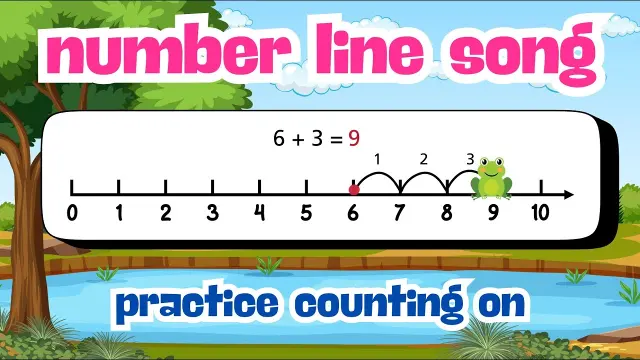
 Number Line Addition Song and Strategies for Kids
#Math for Kids
27 ideas
Number Line Addition Song and Strategies for Kids
 Triple Addition of Random Step Squad Numbers
 Counting Big Numbers from 1 Thousand to 10 Billion
 Magic Addition for Kids with Cute Blocks
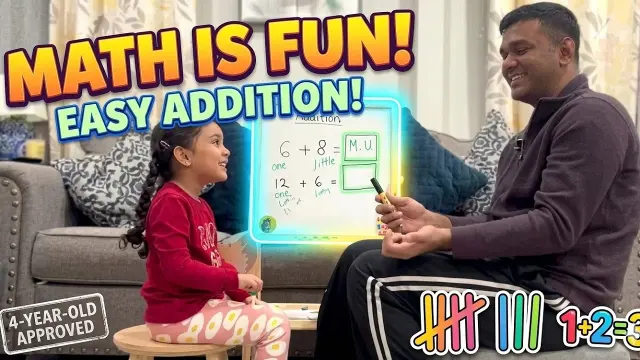 Easy Math Addition Using the Tally Method for Kids
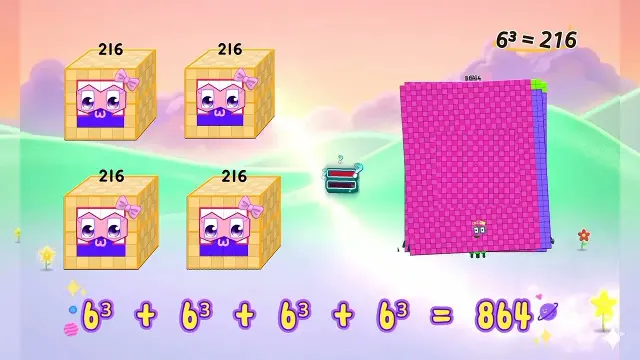 Addition of Four Identical Cube Numbers
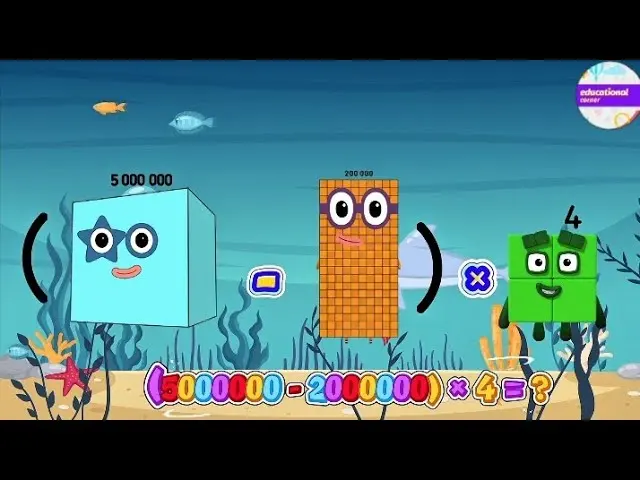 Learn the BODMAS Rule with Number Blocks
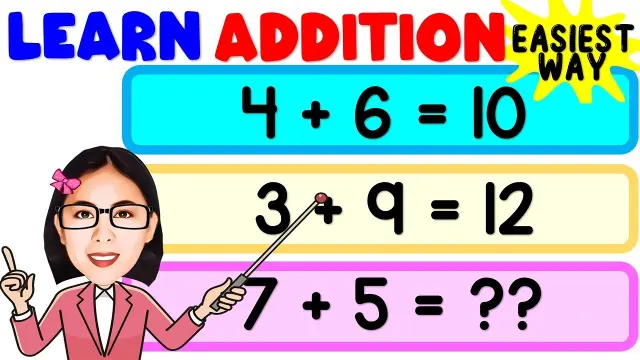 Easiest Way to Learn Addition Math Quiz for Kids
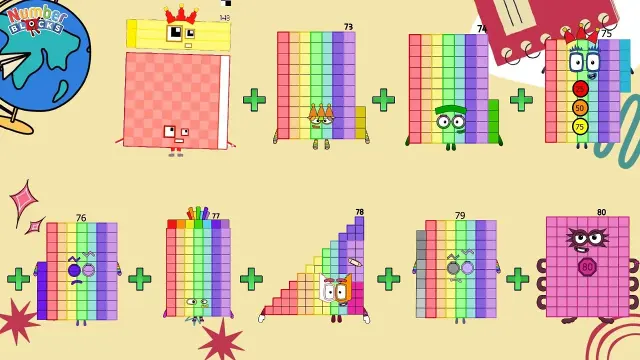 Numberblocks Addition Counting Up from 10 to 100
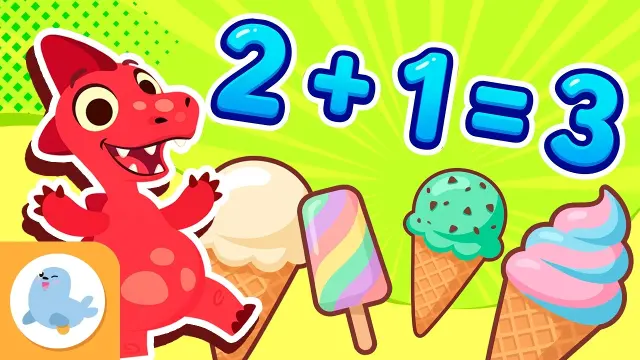 Addition Song and Visual Problems for Kids
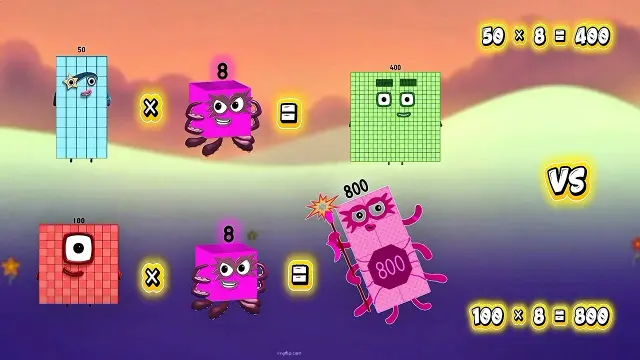 Multiplication Comparison of 50 and 100 Times Tables
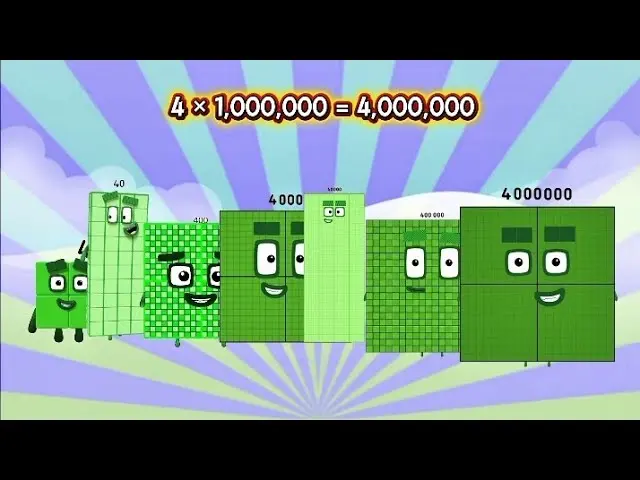 Multiplying Small to Giant Whole Numbers
 Learn Addition with Number Blocks and 3D Animation
 Magic Number Blocks Addition for Kids
 Magic Number Blocks Addition for Toddlers
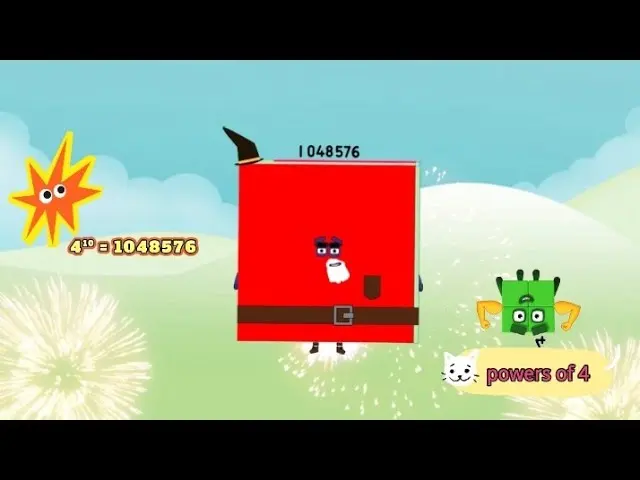 Maths Multiplication Powers of 4 with Numberblocks
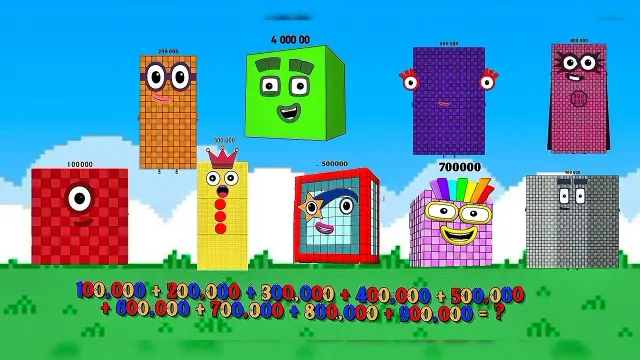 Big Number Addition from 10 to 9 Million
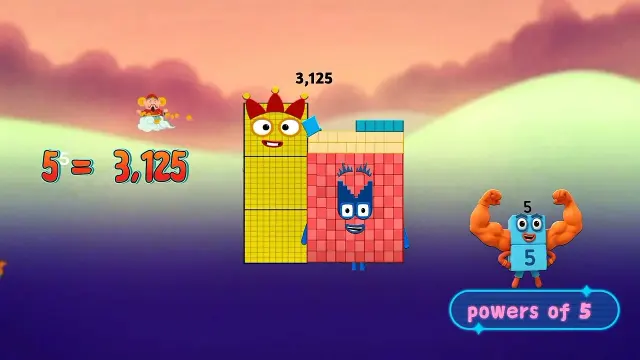 Maths Multiplication Powers of 5 with Numberblocks
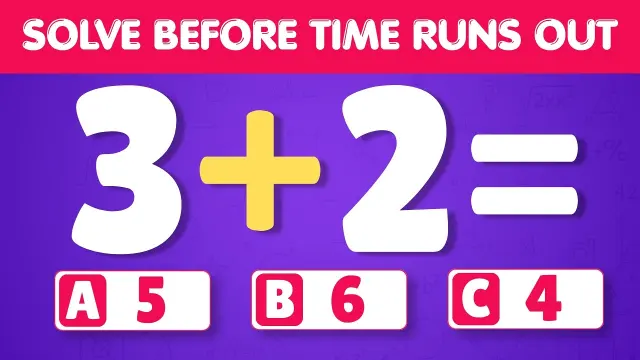 Addition Quiz for Kindergarten and Grade 1
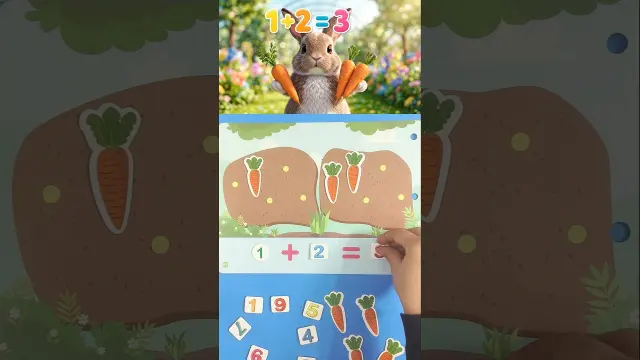 Easy Addition Song and Counting Carrots for Kids
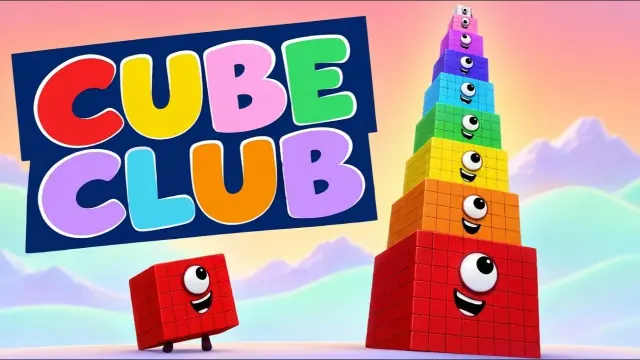 Counting Cube Numbers Up to 125,000 with Numberblocks
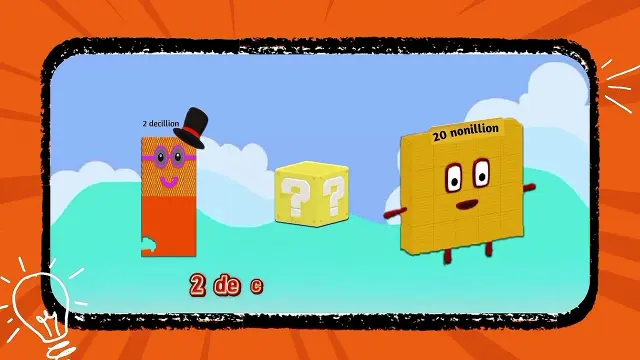 Big Numbers Comparison from Million to Quadrillion
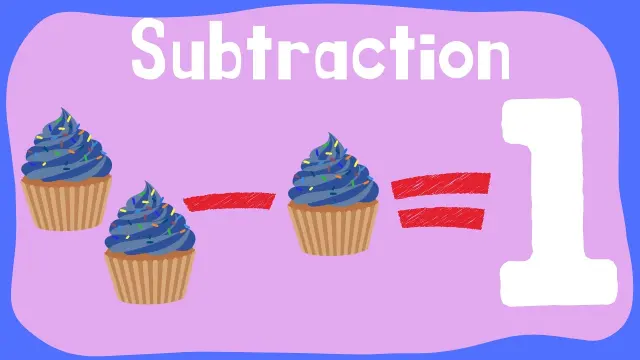 Easy Subtraction for Kids with Colorful Objects
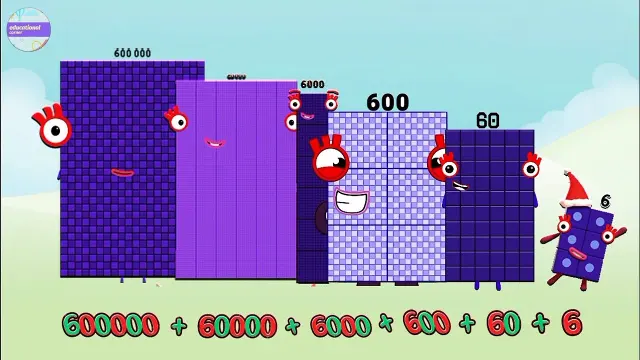 Numberblocks Addition of Big to Small Numbers
Get new #Math for Kids ideas by email
Every Thursday: the week's best ideas, with the newest from #Math for Kids.
Related tags
Math for Kids: A Friendly Introduction to Numbers
Math for kids is the early, everyday way children learn about numbers, shapes, patterns, measuring, and problem-solving. It begins long before formal school lessons, because children naturally compare sizes, count objects, sort toys, notice patterns, and ask how many or which one is bigger. At its heart, math is a language for understanding the world.
What early math includes
For young children, math usually starts with:
- Counting and number recognition
- Comparing quantities, such as more, less, and equal
- Shapes and space, like circles, squares, and directions
- Patterns and sequencing
- Sorting and grouping by color, size, or type
- Early measuring, such as tall, short, heavy, and light
- Simple adding and taking away through play
These skills build step by step. A child does not need to master everything at once. Repeated, playful experiences help ideas sink in naturally.
Read more
How children learn math best
Children often learn math best through concrete objects and real situations. Counting buttons, setting the table, building with blocks, or sharing snacks can all become math moments. When children can touch, move, and see things, numbers feel more real and easier to understand.
Stories, songs, and games are also helpful. They make repetition enjoyable and give children many chances to hear number words, notice patterns, and practice without pressure. Drawing, clapping, and jumping can support learning too, especially for children who are active learners.
Main early math skills
A strong early foundation usually grows from a few important ideas:
- One-to-one counting: matching one number word to one object
- Number sense: understanding that numbers represent amounts
- Comparison: noticing which group has more or fewer
- Pattern recognition: seeing what comes next in a sequence
- Spatial thinking: understanding position, direction, and shape
- Problem-solving: figuring out simple questions in different ways
These skills work together. For example, when a child builds a tower, they may count blocks, compare height, and notice balance all at once.
What beginners should know
If your child is just starting, keep things simple and relaxed. There is no need to rush into worksheets or long lessons. Short, playful practice is often more effective than formal drilling. Focus on understanding first, not speed.
It also helps to use everyday language. You can ask questions like:
- How many do you see?
- Which one is bigger?
- Can you find a shape like this?
- What comes next?
- Can we make the same pattern again?
Mistakes are part of learning. If a child counts an object twice or skips one, gently try again together. The goal is confidence and curiosity.
Practical tips
- Use real objects instead of abstract examples at first.
- Count during daily routines, like walking, tidying, or cooking.
- Keep activities short and playful.
- Repeat favorite games often.
- Praise effort and noticing, not just correct answers.
- Let your child explain their thinking, even if the answer is not perfect.
With patience and play, math becomes less about memorizing and more about exploring. That is often the best start a child can have.
Videos come from YouTube and posts from Instagram; titles and summaries are our own. All rights belong to their creators.