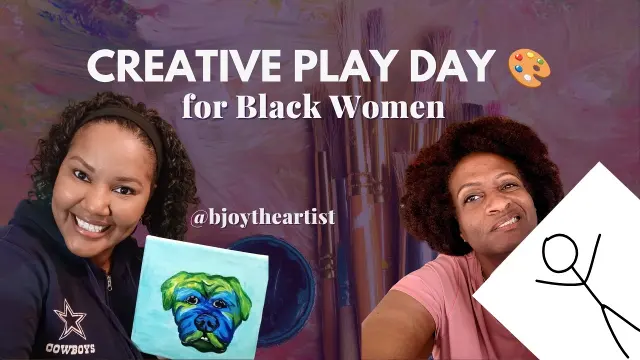
 Creative Play Day and Mixed Media Art Session
#Art Therapy
1 ideas
Creative Play Day and Mixed Media Art Session
Get new #Art Therapy ideas by email
Every Thursday: the week's best ideas, with the newest from #Art Therapy.
Related tags
Art Therapy: A Beginner's Guide to Making and Feeling
Making something with your hands has a long history as a way of settling the mind. Art therapy is the practice of using that process deliberately: painting, drawing, sculpting, collage or simple craft work, not to produce something impressive, but to give shape to things that are hard to put into words. The point is the doing, not the result, and that distinction is what separates it from an art class.
The idea took root in the mid-twentieth century, when artists and clinicians noticed that patients who struggled to speak about their experience often became more open when given materials to work with. Since then it has grown into two related things. One is a profession, practised by trained therapists who guide sessions and interpret nothing lightly; the other is the everyday habit many people keep for themselves, working alone with paper, clay or thread as a way to slow down.
What it actually involves
A session, whether guided or solo, usually begins with a simple invitation rather than an instruction: choose a colour that matches how you feel, fill the page, build something small. The materials matter more than you might expect. Wet media like paint and ink release tension and suit big, loose feelings. Dry media like pencil and pastel reward control and suit quieter, more careful days. Clay and textile work are repetitive and grounding, good when the mind is racing.
Read more
Some people work figuratively, drawing scenes and people. Others stay abstract, letting colour and line carry the meaning. Neither is more correct.
If you are just starting
You do not need skill or expensive supplies. A pad of paper, a pencil and a few colours will carry you a long way. What helps most is regularity: ten minutes at the same table, a few times a week, does more than an ambitious afternoon once a month.
Try to lower the stakes. Fold the first page over so no one can grade it, or work on loose sheets you are free to throw away. Notice the impulse to judge what appears on the paper, and let it pass without obeying it. If you feel stuck, give yourself a rule instead of a goal: only circles, only one colour, only your non-dominant hand. Rules quiet the inner critic, because the outcome is no longer the question.
Keep what you make, at least for a while, in a folder or box rather than on display. Looking back at a stack of pages over months often reveals patterns you would not have noticed day to day.
A gentle caution
Art making is a supportive habit and a good companion to care, not a replacement for it. If something painful keeps surfacing, or if you are struggling with your mood in a way that worries you, speak to a doctor or a qualified therapist. Guided art therapy exists for exactly that reason, and asking for it is a sensible step rather than a last resort.
#Art Therapy: frequently asked questions
Do I need to be good at drawing to try art therapy?
No — the practice is built around the doing, not the result, which is exactly what sets it apart from an art class. The marks on the page are there to give shape to a feeling, not to be judged as a picture. If the urge to evaluate creeps in, work on loose sheets you are free to throw away, or fold the first page over so it feels ungraded.
What materials should I buy to get started?
Start modestly: a pad of paper, a pencil, and a few colours will carry you a long way at first. From there, choose media by mood rather than by price — wet things like paint and ink suit big, loose feelings, while pencil and pastel reward control on quieter days. Clay or thread is worth adding if you find your mind races, because the repetition itself is settling.
How do I pick between working with paint, pencil, clay or collage?
Let the day decide. Loose wet media help release tension, dry media suit a careful mood, and repetitive handwork such as clay or textile grounds a restless head. You can also switch freely between figurative scenes and pure abstract colour — neither is the more correct way to work.
How often should I do it, and how do I keep it going?
Regularity matters far more than duration: a short stretch at the same table several times a week does more than one ambitious afternoon a month. Keeping the same spot and the same small window of time makes the habit easier to fall into. Storing finished pages in a folder or box instead of on display also helps, since looking back over a stack of them shows patterns you would never spot day to day.
I freeze up in front of a blank page — what helps?
Give yourself a rule instead of a goal, such as only circles, only one colour, or only your non-dominant hand. A rule takes the outcome off the table, which quiets the inner critic long enough to start. It also helps to begin from an invitation rather than an instruction — pick a colour that matches how you feel right now and fill the page with it.
What's the difference between doing this alone and seeing a guided art therapist?
Working solo with paper, clay or thread is a quiet everyday habit many people keep for themselves, and it asks nothing of you but showing up. Guided work involves a trained therapist who leads the session and is careful about what is read into what you make. The two sit alongside each other rather than competing, and art making in general is a companion to care rather than a substitute for it.
Videos come from YouTube and posts from Instagram; titles and summaries are our own. All rights belong to their creators.