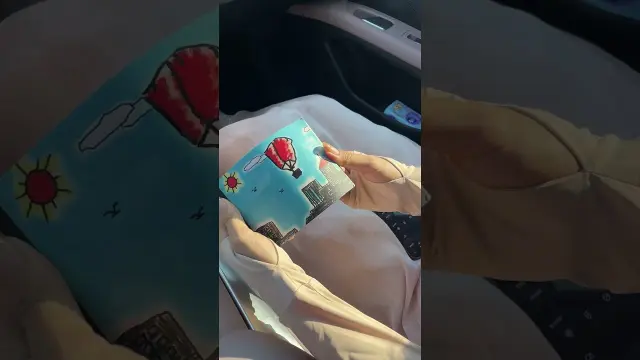
 Creative and Sweet Art-Inspired Proposal Idea
#Art
6 ideas
Creative and Sweet Art-Inspired Proposal Idea
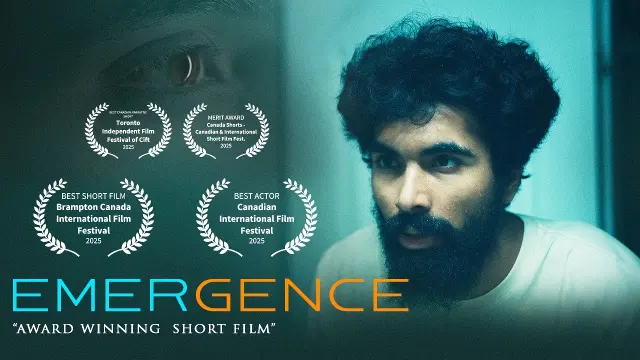 Emergence Award-Winning Short Film About an Artist
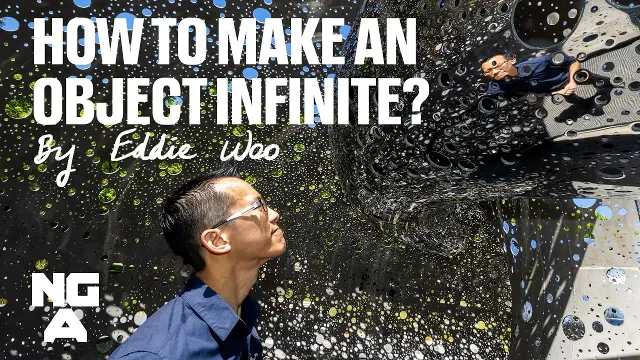 The Mathematical Principles Behind Lindy Lee's Ouroboros
 Miami Heat Unveils Improved Dwyane Wade Sculpture
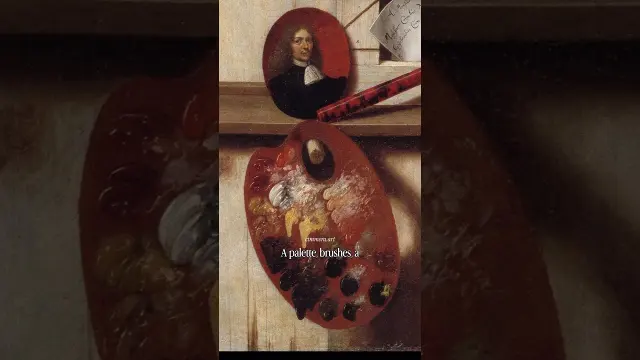 Trompe L'oeil with Studio Wall and Vanitas Still Life Painting
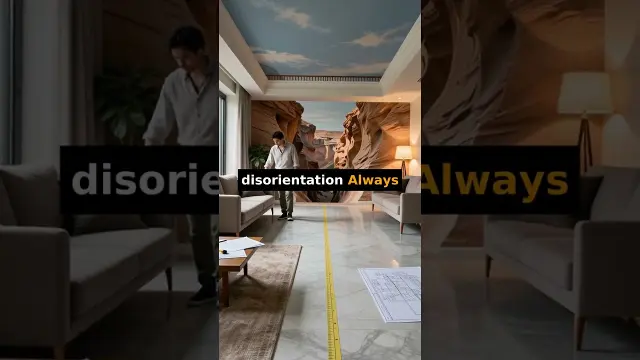 Optical Illusion Art: Trompe L'oeil Ceilings, Floors and Walls
Get new #Art ideas by email
Every Thursday: the week's best ideas, with the newest from #Art.
Related tags
Art: Forms, Styles and Creative Expression
What art is
Art is a way people express ideas, feelings, stories, beliefs and observations through form, color, sound, movement or performance. It can be created to be beautiful, thought-provoking, decorative, symbolic or deeply personal. Art appears in many cultures and has existed in different forms for as long as people have made marks, objects and images.
Main forms and styles
Visual art includes painting, drawing, sculpture, printmaking, photography, collage, ceramics and digital art. Some works are realistic and aim to show the world as it looks, while others are abstract and focus more on shape, color, rhythm or emotion than on direct representation.
Read more
Art styles are broad ways of making and seeing. Some emphasize detail and realism, while others simplify forms or experiment with unusual materials and perspectives. Folk art, decorative art, fine art, contemporary art and craft-based art all overlap in different ways. A single work can also combine more than one approach.
Common techniques
Artists may work with line, shading, layering, texture, composition, contrast and color harmony. In painting, brushes, knives, washes and glazes can create very different effects. In drawing, graphite, charcoal, ink and pastel each have their own qualities. Sculpture may be shaped by carving, modeling, assembling or casting. Collage and mixed media bring together paper, fabric, photographs and found objects.
The materials matter, but so does how they are used. Even simple tools can create expressive results when handled with care and intention.
What beginners should know
If you are just starting, it helps to focus on observation rather than perfection. Look closely at light, shape, proportion and texture. Practice regularly, even in short sessions, because skill usually grows through repetition.
Start with a few basic materials instead of too many at once. Learn how each one behaves, then build from there. Copying a simple object, a room corner or a natural form can teach you a lot about seeing and simplifying.
It is also useful to study other artists, but not to compare yourself too harshly. Art develops through exploration, mistakes and revision. Some works begin as rough sketches and change many times before they feel finished.
Practical tips for making and enjoying art
Choose subjects that interest you: people, plants, interiors, memory, pattern or everyday life. Keep a sketchbook or visual journal for ideas and experiments. Try different sizes and surfaces to understand what feels comfortable.
When looking at art, spend time with one work before moving on. Notice how it uses color, space, balance and mood. Ask yourself what draws your eye, what the work might be saying, and how it makes you feel.
Art does not have to fit a single definition. It can be personal or shared, simple or complex, traditional or experimental. The most lasting part is often the way it helps you see the world a little differently.
Videos come from YouTube and posts from Instagram; titles and summaries are our own. All rights belong to their creators.