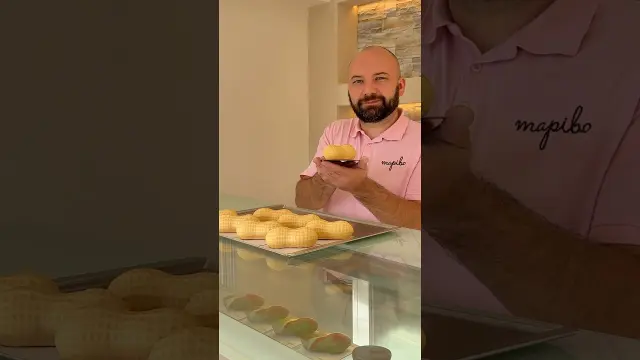
 Trompe-l'oeil peanut dessert art from a patisserie
#Trompe-l'oeil
5 ideas
Trompe-l'oeil peanut dessert art from a patisserie
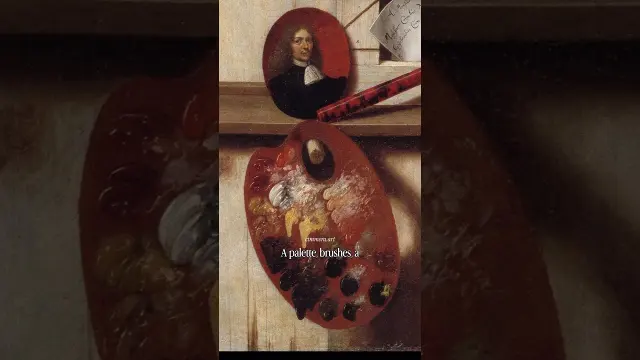 Trompe L'oeil with Studio Wall and Vanitas Still Life Painting
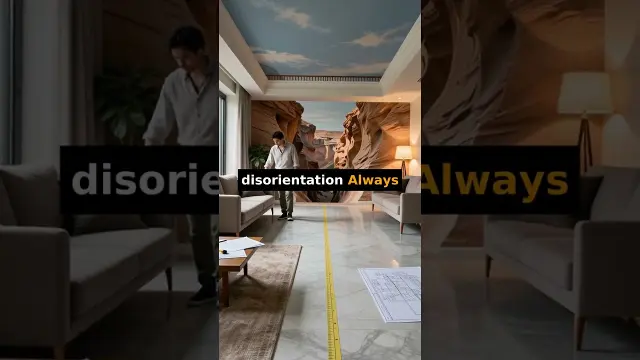 Optical Illusion Art: Trompe L'oeil Ceilings, Floors and Walls
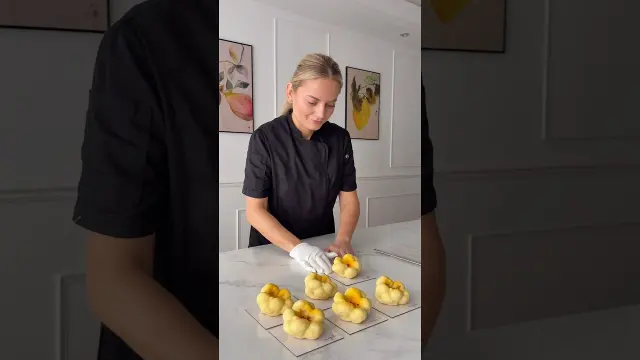 Trompe-l'oeil popcorn dessert art in patisserie style
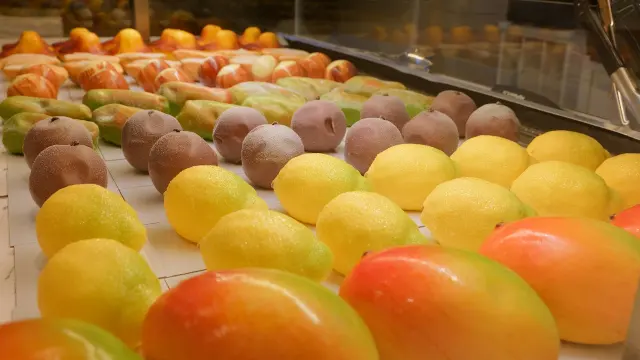 Inside a French Bakery: Making 7 Hyper-Realistic Illusion Pastries
Get new #Trompe-l'oeil ideas by email
Every Thursday: the week's best ideas, with the newest from #Trompe-l'oeil.
Related tags
Trompe-l’oeil: The Art of Visual Illusion
What trompe-l’oeil means
Trompe-l’oeil is an art technique that uses realistic painting, drawing, or decoration to create the illusion that something is real, three-dimensional, or physically present. The phrase comes from French and literally means “deceive the eye.” It has been used for centuries in painting, interior decoration, and decorative crafts.
The goal is not just to imitate an object, but to make the viewer pause and look twice. A surface may appear to have molding, drapery, openings, architecture, food, fabric, or objects that are not actually there. With careful shading, perspective, and detail, a flat surface can seem deeper, heavier, softer, or more tangible than it is.
Where it is used
Read more
Trompe-l’oeil appears in many places. In fine art, it is often seen in murals, still lifes, and illusionistic ceilings or walls. In interiors, it can suggest panels, windows, shelves, or carved details. It is also common in decorative painting, stage design, crafts, cake decorating, and other forms of visual styling where the surprise of illusion is part of the appeal.
Because it works through visual trickery, it can be playful or highly refined. Some versions are meant to be subtle, while others are exaggerated and theatrical. The effect may be believable from a distance or up close, depending on the purpose.
Common styles and approaches
Trompe-l’oeil can take many forms, but a few approaches are especially common:
- Realistic still life: objects such as fruit, flowers, books, ribbons, or tableware are painted to appear placed on a surface.
- Architectural illusion: painted columns, frames, niches, windows, or shadows make a wall seem deeper or more structured.
- Fabric and drapery illusion: folds, knots, and textures imitate cloth or hanging material.
- Object illusion: everyday items are recreated so convincingly that they seem attached to or resting on the surface.
The style often depends on the surface, the viewing angle, and the level of realism desired. A successful illusion usually relies on accurate proportions, believable shadows, and consistent light.
Techniques to know
If you are trying trompe-l’oeil yourself, start with observation. The most convincing illusions come from studying how light hits real objects. Notice where highlights, midtones, and shadows fall, and how edges soften or sharpen depending on distance and texture.
Helpful principles include:
- Use perspective carefully so the object seems to sit naturally in space.
- Keep shadows consistent with the imagined light source.
- Build color gradually rather than relying on flat outlines.
- Pay attention to scale, since even small proportion mistakes can break the illusion.
- Add texture only where needed; too much detail can make the effect confusing.
Tips for beginners
If you are new to trompe-l’oeil, begin with a simple object and a plain background. A single leaf, shell, ribbon, or piece of fruit is easier to paint convincingly than a complex scene. Work slowly and compare your image to the real object often.
It also helps to test the illusion from the intended viewing distance. Some effects are designed to be seen from across a room, while others rely on close inspection. Above all, remember that trompe-l’oeil is about suggestion as much as precision. The best results make the viewer believe, even briefly, that something impossible might be real.
Videos come from YouTube and posts from Instagram; titles and summaries are our own. All rights belong to their creators.