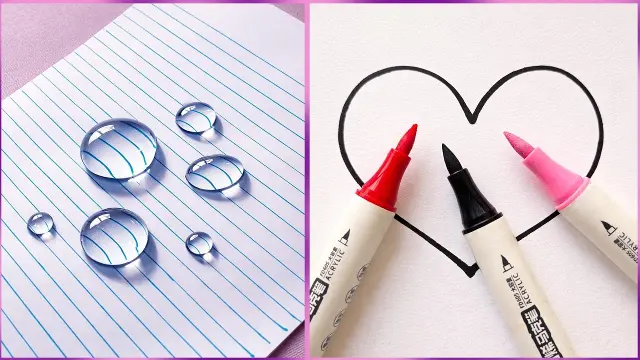
 Easy Creative Art Hacks and Painting Ideas for Beginners
#Beginner Art
20 ideas
Easy Creative Art Hacks and Painting Ideas for Beginners
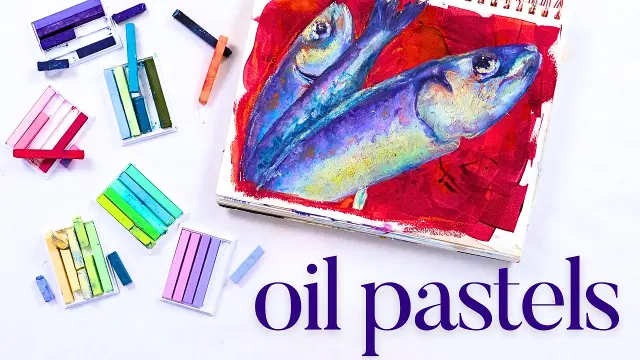 Beginner Oil Pastel Tutorial Featuring Sardines
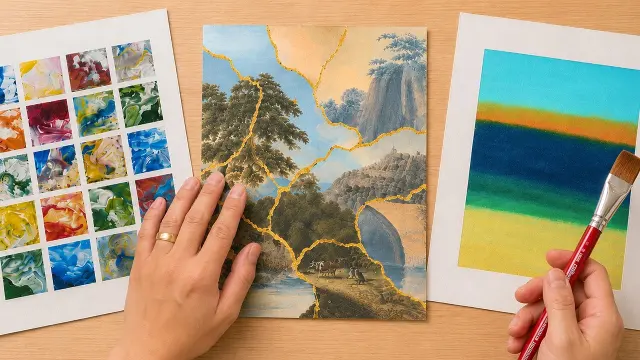 Eight Creative and Easy Art Styles for Beginners
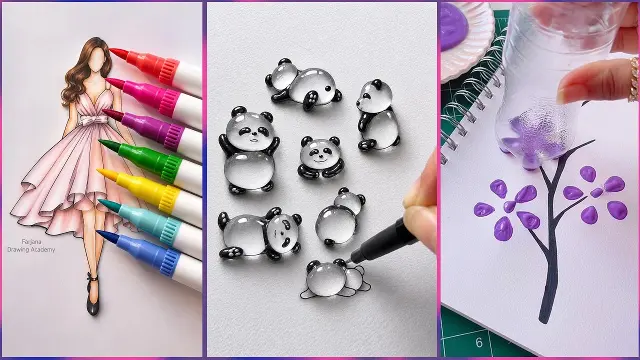 Twelve Easy Painting Hacks and Art Ideas for Beginners
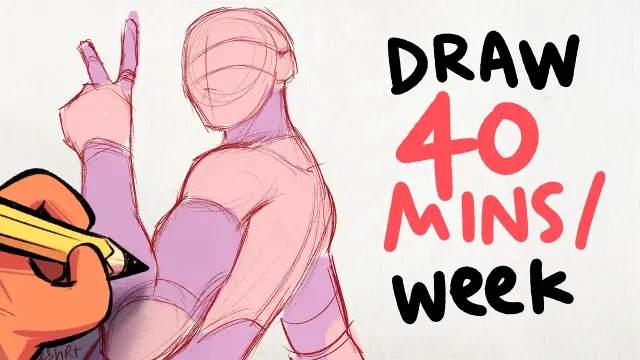 A Simple 20 Minute Drawing Routine for Beginners
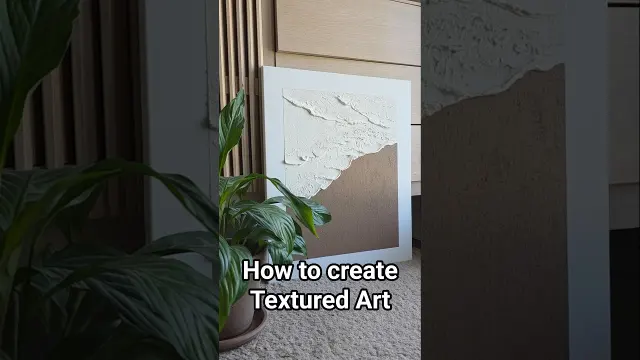 Simple Neutral Textured Art Tutorial for Beginners
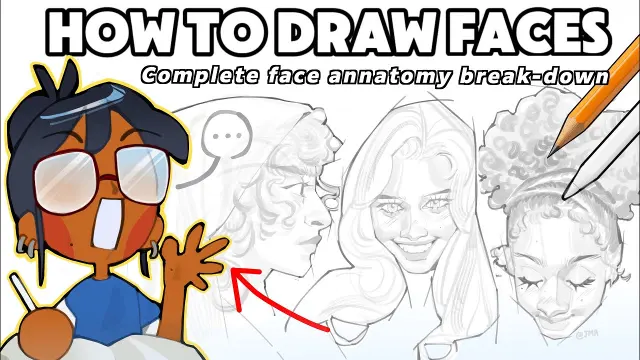 The easiest face drawing tutorial for beginners
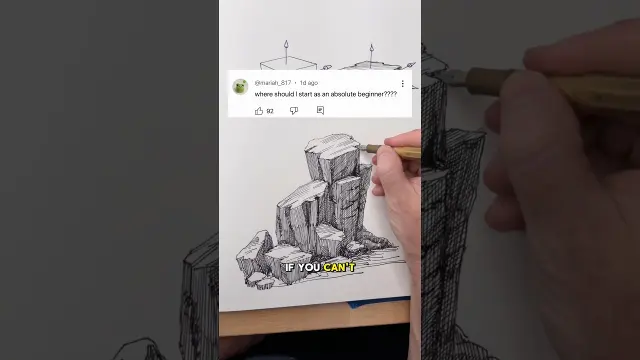 Essential Drawing Drills for Beginner Artists
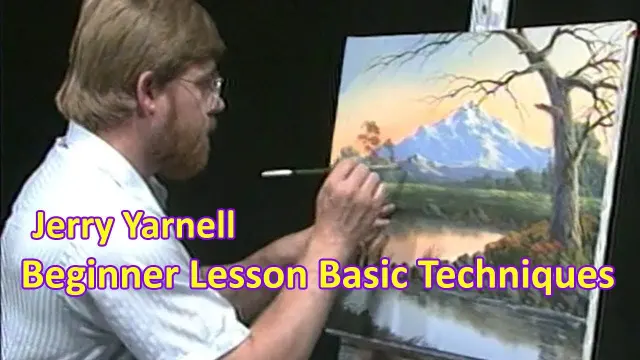 Acrylic Landscape Painting Techniques for Beginners
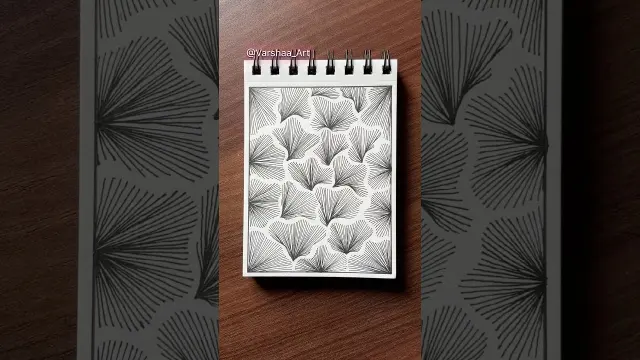 Relaxing Step-by-Step Doodle Art Tutorial
 How to Find and Develop Your Own Unique Art Style
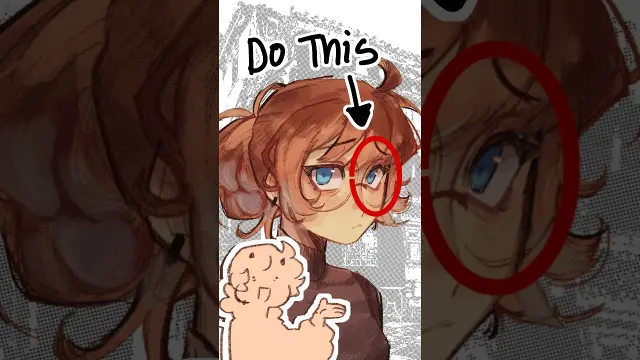 Common Beginner Mistakes in Facial Anatomy for Artists
 Ten Easy Beginner Friendly Ways to Improve Your Art
 How to Actually Start Drawing as a Beginner
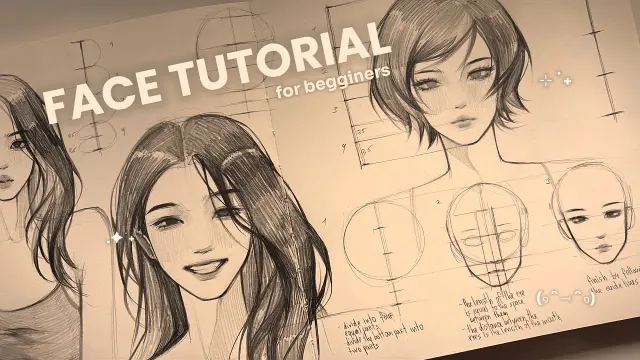 Easy Semi-Realism Face Drawing Tutorial for Beginners
 Easy step by step eye drawing tutorial for beginners
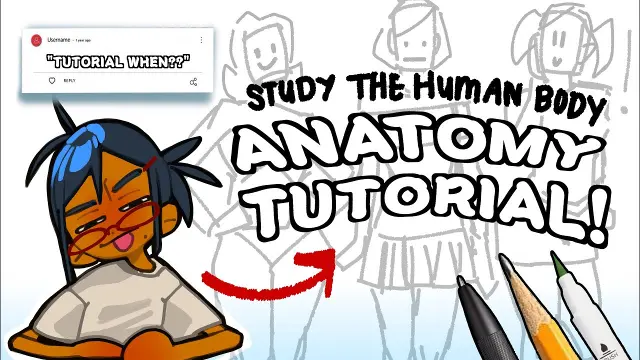 Breaking down the steps to drawing body anatomy
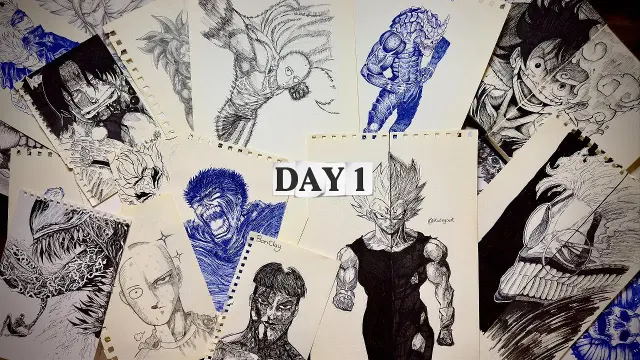 How to Overcome Common Mistakes as a Beginner Artist
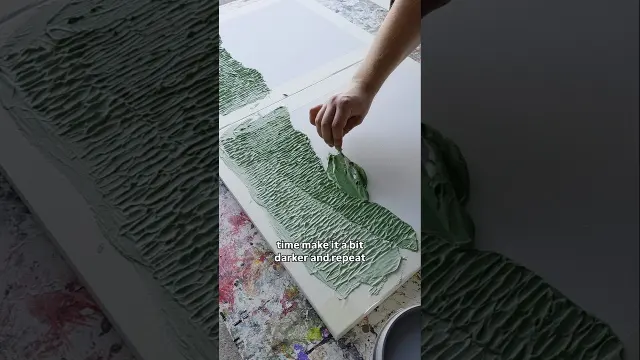 Easy Textured Art Canvas Tutorial for Beginners
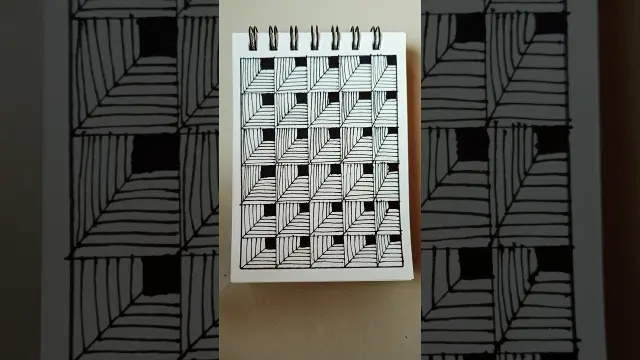 Easy Zentangle Pattern Art Tutorial for Beginners
Get new #Beginner Art ideas by email
Every Thursday: the week's best ideas, with the newest from #Beginner Art.
Collections
Related tags
Beginner Art: A Gentle Guide to Getting Started
What beginner art means
Beginner art is simply the stage where you are learning how to see, draw, paint, or make with your hands. It is less about making something perfect and more about understanding the basics: shape, line, proportion, colour, texture, and composition. Everyone starts here, whether they are trying pencil sketches, watercolour, acrylics, collage, or digital art.
Art has been part of human life for thousands of years, used for storytelling, decoration, ritual, record keeping, and personal expression. For beginners, the goal is not to master everything at once, but to become comfortable with making marks, making decisions, and learning through practice.
Common kinds of beginner art
Read more
There are many ways to begin, and the best one is the one you will return to often.
- Drawing: a natural starting point because it needs very little equipment
- Painting: useful for learning colour, layering, and brush control
- Sketching from life: helps you train your eye to observe real objects
- Collage: great for exploring shape, arrangement, and texture
- Hand lettering or pattern work: helpful for steady lines and control
- Simple crafts: a good way to practise creativity without pressure
You do not need to choose one path forever. Many artists move between drawing, painting, and mixed media as they learn.
What helps most at the start
A common mistake is waiting until you feel ready. In art, readiness usually comes through doing. Start with simple subjects: a cup, a leaf, a shoe, your hand, a piece of fruit, or a face drawn from a basic reference. These everyday subjects teach proportion and observation without overwhelming you.
It also helps to break larger subjects into simple forms. A head can begin as a circle or oval. A vase can be seen as a cylinder. A tree can be understood as a trunk plus branching shapes. Thinking in basic forms makes drawing less intimidating.
Useful beginner habits
- Practise a little often rather than trying to do everything in one long session
- Use references so you can study how things are shaped and arranged
- Start with light lines and adjust as you go
- Focus on big shapes before small details
- Accept that awkward stages are part of learning
- Keep old work so you can see your progress over time
Simple techniques to explore
Some of the most helpful techniques for beginners are very basic:
- Line practice: straight lines, curves, loops, and repeated marks
- Contour drawing: tracing the edges of what you see
- Shading: using light and dark to suggest form
- Layering: building colour or tone slowly
- Blocking in shapes: placing large areas before refining them
- Mixing and testing colours: learning how colours change beside one another
If you are painting, use enough water or paint to keep the material workable, but do not worry about precision at first. If you are drawing, a single pencil can teach you a great deal.
How to keep going
The best beginner art practice is kind, curious, and patient. Try to make art feel like observation and play, not a test. Work on subjects you enjoy, even if they seem simple. Small studies are valuable. A quick sketch can teach you as much as a finished piece.
If something looks wrong, that is useful information rather than failure. It tells you what to notice next time. Over time, you will start to see more clearly, choose more confidently, and express your ideas with more ease.
Beginner art is not about having a special talent. It is about learning to look, to try, and to keep going.
#Beginner Art: frequently asked questions
How do I actually start making beginner art?
Start by making marks rather than waiting to feel ready — in art, readiness comes from doing. Pick a simple everyday subject like a cup, a leaf, or a piece of fruit, and work from a reference so you have something concrete to observe. Keep the first session short and low-pressure so it feels like play, not a test.
What supplies do I need to begin?
Very little — a single pencil and paper is enough to learn a great deal about line, shape, and shading. If you want to explore colour, a basic painting set, oil pastels, or even paper scraps for collage will do. Choose materials you will actually return to often rather than buying a large kit at once.
Which kind of beginner art should I choose?
Pick whichever medium you are most curious about, since the best choice is the one you will practise regularly. Drawing is a natural starting point because it needs almost no equipment, while painting teaches colour and brush control and collage helps with shape and arrangement. You do not have to commit to one path forever — many people move between drawing, painting, and mixed media as they learn.
What are the most common mistakes beginners make?
Two frequent ones are waiting for a perfect moment to begin and jumping into fine details before the big shapes are in place. Another is drawing with heavy, dark lines from the start instead of beginning lightly and adjusting as you go. Awkward stages are normal, so treat a wrong-looking result as information about what to notice next time.
How do I care for and keep my beginner artwork?
Keep your older pieces rather than throwing them away, because comparing them over time is one of the clearest ways to see your progress. Store drawings flat and away from damp, and keep paintings and pastel work where they will not be smudged or rubbed. Protecting finished pieces with a cover or folder helps them last, but the main thing is to keep them so you can look back.
How can I stay motivated and keep improving?
Practise a little often instead of trying to do everything in one long session, and work on subjects you genuinely enjoy. Use references, block in large forms before refining, and explore simple techniques like contour drawing, shading, and layering. Progress in art comes from patient, curious repetition rather than from having a special talent.
Videos come from YouTube and posts from Instagram; titles and summaries are our own. All rights belong to their creators.