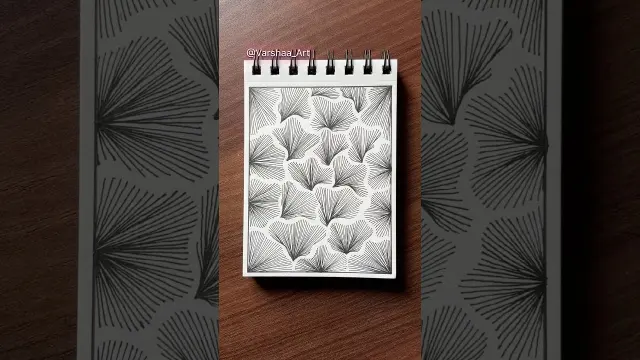
 Relaxing Step-by-Step Doodle Art Tutorial
#Zentangle
2 ideas
Relaxing Step-by-Step Doodle Art Tutorial
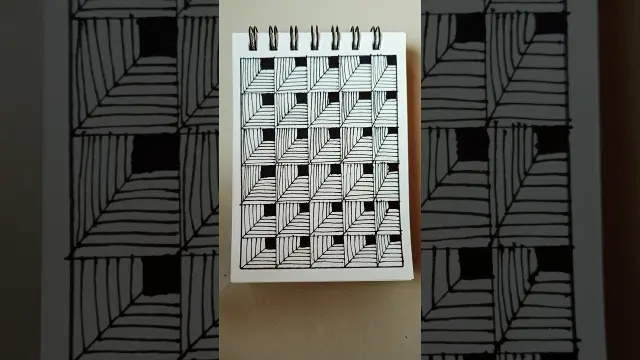 Easy Zentangle Pattern Art Tutorial for Beginners
Get new #Zentangle ideas by email
Every Thursday: the week's best ideas, with the newest from #Zentangle.
Related tags
Zentangle Patterns and Doodle Art Guide
What Zentangle is
Zentangle is a structured drawing method built from repeated patterns, flowing lines, and simple shapes. It is often described as a form of mindful doodling, but it is more than casual scribbling: each pattern is created step by step, usually within a small section of paper. The result is a balanced, decorative image that can look intricate even when made from very basic marks.
The method is closely associated with black ink on white paper, though you can use many materials and colors if you want to explore further. What makes Zentangle distinctive is its calm, unplanned rhythm. You do not need to sketch a full picture first or erase mistakes. Instead, you work one stroke at a time and let the design grow naturally.
Where it comes from and what it is used for
Read more
Zentangle developed as a modern drawing approach focused on repetition, concentration, and relaxation. People use it for creative play, quiet focus, and as a way to make decorative art without needing advanced drawing skills. It is also popular because it encourages you to slow down and notice each line as you make it.
You can use Zentangle in many ways:
- as a personal creative practice
- for sketchbook pages and journaling
- to decorate cards, tags, and gifts
- as a calming drawing exercise
- to build confidence if you feel unsure about drawing
Main styles and patterns
Zentangle is usually made from “tangles,” which are small repeatable patterns. These may include lines, dots, curves, loops, grids, waves, or shapes that fill a space in different ways. Some patterns look geometric and orderly, while others feel more organic and free-flowing.
Common visual approaches include:
- simple repeating line patterns
- layered patterns that create texture
- bordered sections filled with different tangles
- shaded areas that add depth
- more open designs with lots of white space
You can combine several patterns in one piece, but it helps to keep each section clear and uncluttered.
How to begin
If you are new to Zentangle, start small. A square or round section of paper is often easier than a large blank page. Choose one or two simple patterns and repeat them slowly. Try not to plan the whole image in detail. Part of the appeal is that the design emerges as you go.
Useful beginner tips:
- Use a pen that feels comfortable and flows smoothly.
- Work with light pressure so your lines stay relaxed.
- Break the page into small sections if a full blank page feels overwhelming.
- Repeat one shape several times before adding another.
- Accept uneven lines; they often add character.
- Leave room for shading if you want more depth later.
Helpful techniques
A few simple techniques can make your work feel more complete:
- outline shapes clearly before filling them
- use shading sparingly to separate forms
- vary the size of repeated marks for interest
- add dots or short strokes to soften transitions
- keep some areas open to balance dense patterns
Most importantly, Zentangle is meant to be approachable. You do not need special artistic training to enjoy it. If you are patient and willing to repeat simple marks, you can create something detailed, personal, and satisfying.
#Zentangle: frequently asked questions
How do I start a Zentangle drawing if I have never tried it before?
Begin with a small square or round piece of paper rather than a big blank sheet, since a modest space is far less intimidating. Draw a few light dividing lines to create sections, then pick a single simple pattern and repeat it slowly inside each one. Let the design build stroke by stroke instead of planning the whole picture in advance.
What supplies do I actually need for Zentangle?
A smooth-flowing pen you enjoy holding and some paper are enough to begin, which is part of why the method is so approachable. A pencil is handy for laying down faint guide lines and for soft shading later, and a blending tool helps if you want to smudge that shading. Fancy materials are optional extras, not requirements.
Which patterns or styles should I choose when I am just learning?
Simple repeating line patterns, dots, waves, and loops are the easiest place to start because they rely on repetition rather than drawing skill. Once those feel comfortable, layer a second pattern into a section or add light shading to give it depth. Keep each section fairly clear, since combining too many tangles at once makes a piece look cluttered rather than rich.
What are the most common mistakes beginners make?
The usual slip is trying to plan the entire image first, which removes the calm, unfolding rhythm that makes the method enjoyable. Another is pressing too hard or rushing the strokes, so the lines look tense instead of relaxed. Chasing perfectly even lines is also a trap: small irregularities are what give handmade tangles their character, so there is no need to erase them.
How should I care for a finished Zentangle piece?
Ink drawings are best kept away from direct sunlight and damp, since both fade or warp the paper over time. If the piece matters to you, store it flat in a folder or frame it behind glass so the surface is not rubbed or smudged. Handle it by the edges, especially if you used soft pencil shading that can smear.
What can I make with Zentangle patterns for a gift or a special occasion?
Filled sections work beautifully on handmade cards, gift tags, bookmarks, and journal or sketchbook covers. You can also frame a small finished tile as a decorative piece or use tangles to personalize a wrapped present. Because the patterns are repeatable, a few small motifs can be scaled up to suit almost any project.
Videos come from YouTube and posts from Instagram; titles and summaries are our own. All rights belong to their creators.