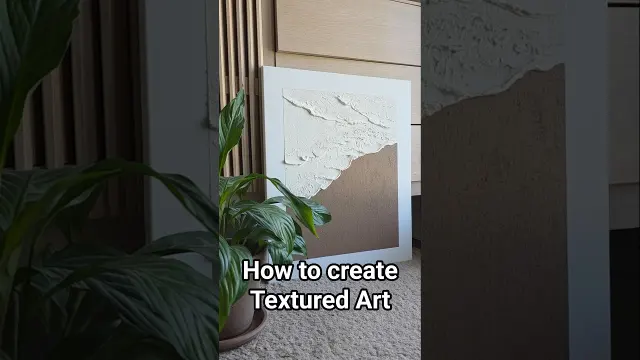
 Simple Neutral Textured Art Tutorial for Beginners
#Textured Art
2 ideas
Simple Neutral Textured Art Tutorial for Beginners
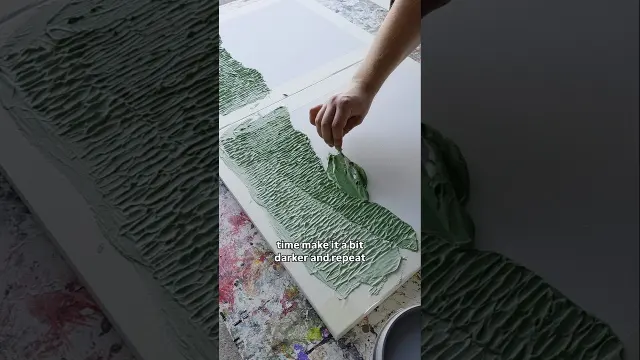 Easy Textured Art Canvas Tutorial for Beginners
Get new #Textured Art ideas by email
Every Thursday: the week's best ideas, with the newest from #Textured Art.
Related tags
Textured Art: Techniques, Materials and Ideas
What textured art is
Textured art is artwork that has a visible or tactile surface, not just a flat painted finish. The texture can be built up with paint, paste, fabric, paper, sand, modelling materials, or natural objects. Some pieces are subtle and softly raised, while others are bold and highly sculptural.
Texture has long been part of art and decoration, from plaster and relief work to mixed media collage. In modern home styling, it is often used to add depth, warmth and interest to simple wall art. It can be abstract, organic, minimal or highly detailed, depending on the materials and the way you work.
Common materials and techniques
Read more
There are many ways to create texture, and you do not need advanced skills to begin. Some of the most common methods include:
- Thick paint applied with a brush or palette knife
- Texture paste or modelling paste for raised surfaces
- Sand, grit, or other fine additives mixed into paint
- Collage with paper, fabric, thread or natural elements
- Layering and scraping to reveal underlying marks
- Stamping, pressing or drawing into a soft surface
- Plaster-like materials for more sculptural effects
Palette knives are often used because they let you spread material in uneven, expressive layers. Brushes can create softer texture, especially when used with thick paint. Collage adds a very different kind of texture because it combines visual surface with real material variety.
Main styles of textured art
Textured art can take many forms. Some of the main approaches are:
- Abstract textured art, which focuses on shape, surface and colour rather than a specific subject
- Minimal textured art, which uses restrained tones and gentle relief for a calm look
- Organic textured art, which draws on natural forms such as stone, sand, bark or waves
- Layered mixed media, which combines paint with paper, fibres or found materials
- Relief-style art, where the surface itself becomes part of the composition
You may prefer a rough, dramatic finish or something soft and subtle. Both are valid. The most important thing is that the texture supports the mood you want to create.
What beginners should know
If you are new to textured art, start simple. A small surface is easier to control than a large one, and a limited colour palette helps the texture stand out. Neutral colours are often a good place to begin because they make the surface variation more noticeable.
It is also helpful to think in layers. Texture often looks best when built gradually rather than all at once. Let one layer dry or set before adding the next, especially if you are using paste or mixed materials. Rushing can flatten the effect or make the surface unstable.
A few practical tips:
- Test your materials on a scrap surface first
- Use fewer colours than you think you need
- Vary the height and direction of your marks
- Leave some calmer areas so the texture can breathe
- Be patient with drying time and handling
Why people love textured art
Textured art adds character to a room because it catches light and creates movement. It can make a plain wall feel more lived-in and personal. It also invites closer looking: even when the palette is simple, the surface can stay interesting from different angles.
For you as a maker, textured art is a very forgiving form of creativity. It does not need perfect lines or precise drawing skills. Instead, it rewards experimentation, touch and instinct. That makes it a satisfying place to begin if you enjoy making art that feels natural, layered and expressive.
#Textured Art: frequently asked questions
How do I start making textured art if I've never tried it before?
Begin with a small surface and a limited palette, since a compact canvas is far easier to control than a large one. Work in layers, letting each one set before adding the next, so the texture builds gradually instead of turning muddy. Try your chosen material on a scrap piece first to see how it behaves before committing it to the final piece.
What materials and tools do I need for textured art?
You can get started with thick paint, texture or modelling paste, and something to apply them with, such as a palette knife or a stiff brush. Beyond that, texture can come from sand or grit mixed into paint, collage with paper and fabric, or soft materials you can press and draw into. Palette knives suit bold, uneven layers, while brushes give a softer finish.
Which style of textured art should I choose?
Think first about the mood you want the piece to create, then pick a style that supports it. Abstract works focus on shape and surface, minimal pieces use restrained tones and gentle relief for calm, organic designs borrow from stone, sand or waves, and relief-style work makes the raised surface itself the subject. Rough and dramatic finishes are just as valid as soft, subtle ones.
How do I take care of a textured art piece?
Because the surface is raised, treat it gently: keep it out of damp rooms and direct sunlight, and dust it lightly rather than wiping firmly across the ridges. Handle the piece by its edges or frame when moving it, since pressure on the raised areas can crush or chip them. Well set and properly framed, textured work holds up much like any other wall art.
What mistakes do beginners make with textured art?
The most common slip is rushing the layers, which flattens the effect and can leave the surface unstable. Using too many colours is another, since a busy palette competes with the texture rather than showing it off. It also helps to leave some quieter areas so the textured passages have room to stand out.
Do I need drawing skills to make textured art?
No, and that is part of the appeal for people who enjoy making things by hand. Textured work rewards touch, instinct and experimentation rather than precise lines, so there is nothing to get exactly right. It is a forgiving form to learn in, which makes it a comfortable starting point for beginners.
Videos come from YouTube and posts from Instagram; titles and summaries are our own. All rights belong to their creators.