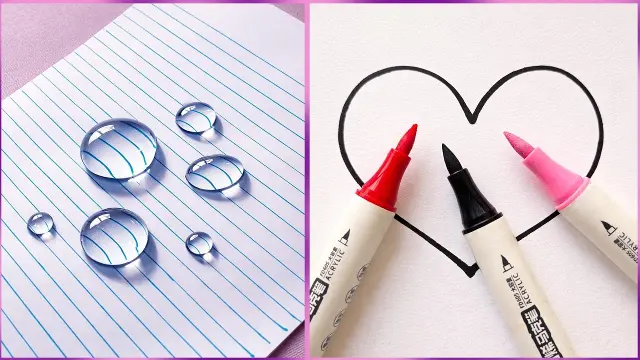
 Easy Creative Art Hacks and Painting Ideas for Beginners
#Art Hacks
2 ideas
Easy Creative Art Hacks and Painting Ideas for Beginners
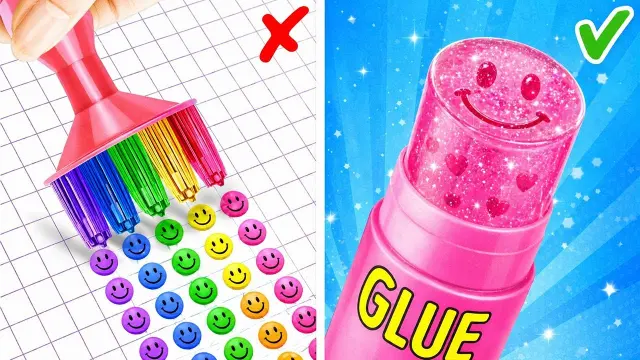 Creative Drawing Hacks and Easy Art Ideas to Try
Get new #Art Hacks ideas by email
Every Thursday: the week's best ideas, with the newest from #Art Hacks.
Related tags
Art Hacks for Easier, Smarter Making
What art hacks are
Art hacks are simple tricks and workarounds that make creative work easier, faster, or more enjoyable. They are not about replacing skill or imagination. Instead, they help you solve small problems that come up while drawing, painting, cutting, gluing, mixing, or organizing your tools. For beginners, art hacks can make the first steps feel less intimidating. For experienced makers, they can save time and reduce waste.
People have always used practical shortcuts in art and craft. Many come from studio habits, classroom methods, or the everyday problem-solving that happens when artists look for better ways to handle materials. Some hacks help you improve accuracy. Others help you keep your space tidy, protect your work, or get more interesting effects from simple supplies.
Common kinds of art hacks
Read more
Art hacks can be grouped by the kind of help they give:
- Drawing hacks, such as using simple guidelines, grids, or light sketch layers to build up a picture
- Painting hacks, such as testing colors first, thinning paint carefully, or creating texture with household tools
- Craft hacks, such as making cleaner cuts, holding pieces in place while glue dries, or reinforcing weak spots
- Cleanup and storage hacks, such as covering palettes, labeling materials, and keeping brushes or pencils sorted
- Problem-solving hacks, such as fixing smudges, softening harsh marks, or turning mistakes into part of the design
The best hacks are usually the ones that match your materials and your goals. A useful trick for watercolor may not help with collage, and a great pencil shortcut may not suit acrylic paint.
What beginners should know
If you are new to art, keep your hacks simple. Too many tricks at once can be confusing. Start with a few basics that support good habits: working from light to dark, sketching gently before committing, and testing techniques on scrap paper first. This helps you learn how your materials behave without pressure.
It also helps to remember that hacks are support tools, not rules. If a shortcut makes your work feel stiff or unnatural, leave it out. A strong art habit is learning when to simplify and when to slow down.
Practical tips for using art hacks well
- Use scrap paper to test colors, layouts, and textures before starting the final piece
- Keep a few basic tools ready, but do not overload your space
- Clean brushes, pens, and tools soon after use so they last longer
- If you make a mistake, pause before fixing it; sometimes the cleanest solution is to change the design slightly
- Try one new hack at a time so you can tell what actually helps
- Save reference sketches or notes about techniques that work for you
A useful mindset
Good art hacks should make creating feel easier, not more complicated. They can help you build confidence, especially when you are still learning. Over time, you may discover your own best tricks from practice and experience. That is often the most valuable kind of hack of all.
#Art Hacks: frequently asked questions
What exactly are art hacks, and are they only useful for beginners?
Art hacks are small practical tricks that remove friction from making things — a way to steady a line, hold a piece while glue sets, or get more life out of your supplies. They exist because makers across studios and classrooms kept solving the same little problems and passing the solutions along. Beginners benefit most from the confidence boost, but experienced artists rely on them just as much to save time and waste less material.
What do I need on hand before I start trying art hacks?
You can begin with whatever you already draw or craft with, plus a little scrap material for testing ideas before committing them to a finished piece. The useful additions are usually organizational rather than expensive: something to cover a palette, something to label containers, and a place to jot down tricks that worked. Resist the urge to buy a long list of gadgets first — most good hacks come from using ordinary household items in a smarter way.
How do I pick which art hacks are worth learning?
Choose tricks that match the medium you actually work in, since a shortcut for watercolor often does nothing for collage and a pencil technique may fight with acrylics. Try one new hack at a time so you can honestly tell whether it helped, and drop anything that makes your work feel stiff or mechanical. The right hack should feel like it's removing an obstacle, not adding a step.
How should I care for my tools and materials so they last?
Clean brushes, pens and cutting tools soon after you finish rather than letting residue harden, and store things where you can see and reach them. Covering a palette or sealing a container keeps paint and glue usable for another session instead of drying out. A tidy, lightly stocked workspace is easier to work in than an overflowing one, so keep only what you genuinely reach for.
What are the most common mistakes people make with art hacks?
The usual one is piling on too many tricks at once, which makes the process confusing and hides which shortcut actually helped. Another is treating a hack as a rule, so the work starts to look formulaic or the artist stops slowing down where care is needed. And many people rush to erase or paint over a mistake before asking whether the design could simply shift to accommodate it.
Can art hacks help with a particular project, like a gift or a celebration piece?
Yes — planning ahead with tested colors, a rough layout on scrap paper, and a dry run of any tricky assembly makes occasion pieces far less stressful. Working from light to dark and sketching gently before committing lines gives you room to adjust as the piece develops. It also helps to note which techniques worked so the next project starts from experience rather than guesswork.
Videos come from YouTube and posts from Instagram; titles and summaries are our own. All rights belong to their creators.