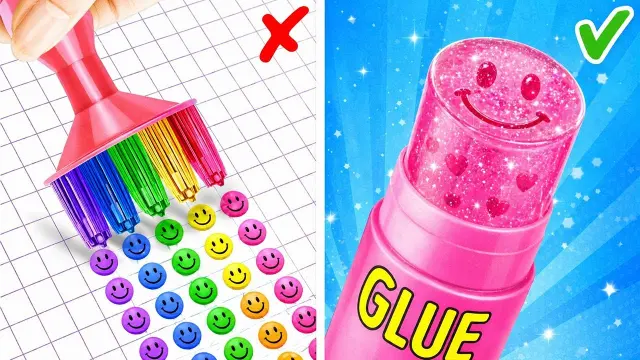
 Creative Drawing Hacks and Easy Art Ideas to Try
#DIY Art
2 ideas
Creative Drawing Hacks and Easy Art Ideas to Try
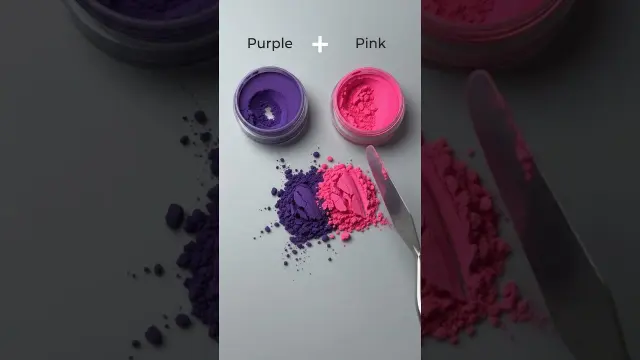 How to Mix Purple and Pink Paint for Orchid
Get new #DIY Art ideas by email
Every Thursday: the week's best ideas, with the newest from #DIY Art.
Related tags
DIY Art Ideas and Creative Projects
DIY art is any artwork you create yourself with simple tools, everyday materials, and your own ideas. It can mean painting, drawing, collage, printmaking, paper craft, mixed media, or decorating objects you already have. The appeal of DIY art is that it is personal, flexible, and open to all skill levels. You do not need a formal studio or expensive supplies to begin; many projects start with paper, scissors, glue, paint, and a little curiosity.
What DIY art includes
DIY art covers a wide range of creative approaches. Some people use it to make wall art, greeting cards, journals, gift wrap, home decor, or handmade presents. Others use it as a way to relax, experiment, and learn new skills. You can work in a loose, expressive style or make something neat and detailed. There is no single correct result, which is part of its charm.
Common forms of DIY art include:
- Drawing and sketching with pencils, pens, or markers
- Painting with watercolor, acrylic, or other craft paints
- Collage made from magazine clippings, paper scraps, or fabric
- Printmaking using stamps, leaves, foam shapes, or carved surfaces
- Mixed media projects that combine several materials
- Craft-based art such as paper flowers, decorated jars, or framed quotes
Read more
Getting started
If you are new to DIY art, begin with a project that feels manageable. Small formats are often easier than large ones, because they let you experiment without pressure. Pick one idea, gather only the materials you need, and give yourself permission to make something imperfect. Many good DIY pieces come from simple shapes, repeated patterns, or layering one material over another.
A few useful habits can help:
- Keep a basic kit of paper, glue, tape, scissors, pens, and paint
- Test colors and textures on scrap paper first
- Work in layers instead of trying to finish everything at once
- Let pieces dry fully before adding the next step
- Save leftover materials for future projects
Techniques to try
If you want variety, try changing the way you build the artwork rather than starting from scratch each time. You might cut shapes from colored paper, blend paint with a dry brush, add texture with a sponge, or create patterns with simple stamps. Tracing, stenciling, tearing paper, and layering transparent materials can also give beautiful results. Even basic color mixing can change the mood of a piece and make it feel more personal.
Practical tips
DIY art is easier when you keep your workspace simple and organized. Use a flat surface, protect it if needed, and keep a cloth or paper towel nearby for quick cleanup. If a project feels stuck, step back and add one small element at a time. It also helps to gather inspiration from everyday life: flowers, packaging, fabrics, shadows, and household objects can all become part of your design.
Most of all, treat DIY art as a process rather than a performance. The more you make, the more comfortable you become with materials, color, and composition. Over time, you will find your own style through experimentation, not perfection.
#DIY Art: frequently asked questions
How do I start making DIY art if I have never done it before?
Start with a small, simple project that feels achievable, such as a sketch, a paper collage, or a painted card. Gather only the materials that project needs and give yourself room to make something imperfect. Working small removes pressure and lets you learn the materials quickly.
What supplies do I actually need for DIY art?
A basic kit of paper, scissors, glue, tape, pens, and a few paints covers most beginner projects. You can add materials as a specific idea calls for them rather than buying everything up front. Everyday items around the home often work just as well as dedicated art supplies.
Which kind of DIY art should I choose?
Pick the form that matches how you like to work: drawing and painting suit people who enjoy color and mark-making, while collage, printmaking, and paper craft suit those who prefer cutting, layering, and assembling. If you are unsure, try a mixed-media piece that lets you combine several approaches in one project.
How do I take care of a DIY art piece so it lasts?
Let every layer dry completely before adding the next, since trapped moisture is what usually causes warping, smudging, or flaking later. Keep finished pieces out of direct sunlight and damp rooms, and frame or mount paper-based work to protect it from creasing. Store leftover materials flat and dry so they stay usable for the next project.
What are common mistakes beginners make with DIY art?
The most common ones are starting too large, trying to finish everything in a single sitting, and rushing ahead before paint or glue has dried. Testing colors and textures on scrap paper first, and building a piece up in layers, avoids most of these problems. Treating the project as practice rather than a performance makes the whole process easier.
Do you have DIY art ideas for a specific occasion, like a gift or a celebration?
Handmade cards, decorated jars, framed quotes, paper flowers, and small mixed-media pieces all work well as personal gifts or decorations for a celebration. Matching the colors and motifs to the occasion or to the person's taste is what makes the piece feel thoughtful. Keeping the format small and the design simple usually gives the cleanest result.
Videos come from YouTube and posts from Instagram; titles and summaries are our own. All rights belong to their creators.