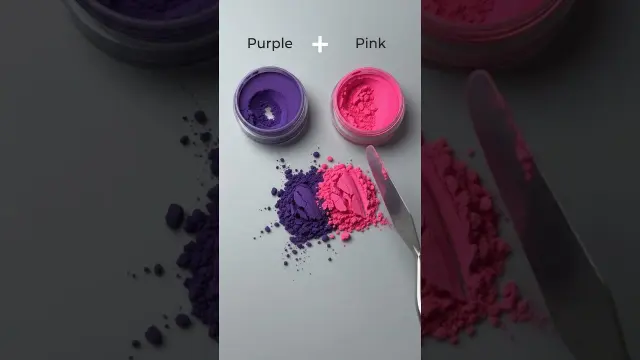
 How to Mix Purple and Pink Paint for Orchid
#Paint Tutorial
1 ideas
How to Mix Purple and Pink Paint for Orchid
Get new #Paint Tutorial ideas by email
Every Thursday: the week's best ideas, with the newest from #Paint Tutorial.
Related tags
Paint Tutorial Basics for Beautiful Results
What a paint tutorial is
A paint tutorial is a practical guide that helps you learn how to paint with more confidence. It can cover anything from mixing colors and preparing a surface to applying paint smoothly and finishing a piece neatly. Painting is one of the oldest and most versatile art forms, used for decoration, storytelling, expression, and design. Whether you are working on paper, canvas, wood, or another surface, the basic ideas stay much the same: choose your materials carefully, understand your colors, and build your image in layers.
Main types of painting
Different paint types behave in different ways, so it helps to know the basics.
Read more
- Watercolour is transparent and often used for light, delicate effects.
- Acrylic is popular because it dries fairly quickly and works on many surfaces.
- Oil paint is known for rich color and slow drying, which gives you more time to blend.
- Gouache is opaque and smooth, often used for flat, even areas of color.
Each paint has its own feel, but beginners usually do best by starting with one medium and learning its habits before moving on to others.
Basic techniques to know
A few simple techniques appear in many paint tutorials.
- Blocking in: laying down the main shapes and colors first.
- Blending: smoothing one color into another.
- Layering: adding paint in stages so the image builds depth.
- Dry brushing: using very little paint for a textured effect.
- Washing: applying a thin, transparent layer of color.
- Detailing: adding small marks, edges, or highlights near the end.
If you are new to painting, focus first on control rather than complexity. Clear shapes and clean color areas often look better than too much detail too soon.
Mixing color
Color mixing is one of the most useful parts of any paint tutorial. You do not need a large range of paints to create variety. By mixing a few basic colors, you can make softer shades, deeper tones, and more natural-looking transitions. Start with small amounts and test your mix before applying it widely. It is usually easier to darken or soften a color than to bring it back once it becomes too strong.
Helpful beginner tips
Prepare your surface before you begin. A clean, dry base helps paint sit better and look more even. Keep your brushes clean, and use the right brush size for the area you are painting. A smaller brush gives more control, while a larger one is useful for broad areas. If your paint feels too thick or too thin, adjust it slowly rather than all at once.
It also helps to work patiently. Let one layer dry when needed, and step back now and then to check the overall balance of the piece. Mistakes are part of learning, and many can be corrected by layering or repainting.
Finishing your work
A good finish matters as much as the painting itself. Check the edges, clean up stray marks, and make sure the colors feel balanced. With practice, you will learn how paint behaves and how to use it to create smooth, confident results.
#Paint Tutorial: frequently asked questions
How do I get started with painting if I've never done it before?
Pick a single medium and get to know how it behaves before adding others, since each paint has its own drying speed, opacity and feel. Start with simple shapes and clean blocks of color rather than detailed work, and focus on learning control of your brush and the amount of paint you load. Patience matters more than complexity at this stage.
What supplies do I actually need to begin?
You need a paint in one medium, a couple of brushes in different sizes, and a suitable surface such as paper, canvas or wood. A small set of basic colors is enough, because you can mix a wide range of shades from a few tubes. Add a water container and something to protect your work area, and you have a workable setup.
Which kind of paint should I choose?
Watercolour suits light, transparent effects, acrylic is forgiving because it dries fairly quickly and works on many surfaces, oil gives rich color and stays workable longer for blending, and gouache covers smoothly in flat, even areas. Beginners often find it easiest to choose one that matches the look they want and stick with it until the habits feel natural. You can always explore other mediums later.
How do I mix colors without wasting paint?
Begin with small amounts of each color and test the mix on a scrap of your surface before applying it to the piece. It is much easier to darken, soften or tone down a color than to bring it back once the mix has become too strong. Working gradually also helps you build natural-looking transitions between shades.
What are the most common beginner mistakes?
Adding too much detail too early, using a brush that is the wrong size for the area, and adjusting paint consistency all at once instead of gradually are frequent ones. Another is not letting a layer dry before building on it, which muddies the colors underneath. Most of these can be fixed by layering or repainting, so they are worth treating as part of the learning process.
How should I care for my brushes and finished work?
Clean your brushes after each session so paint does not harden in the bristles, and store them so the shape of the tip is preserved. Keep your painting on a clean, dry surface while it settles, and give the edges and stray marks a final check once it is done. A careful finish makes as much difference as the painting itself.
Videos come from YouTube and posts from Instagram; titles and summaries are our own. All rights belong to their creators.