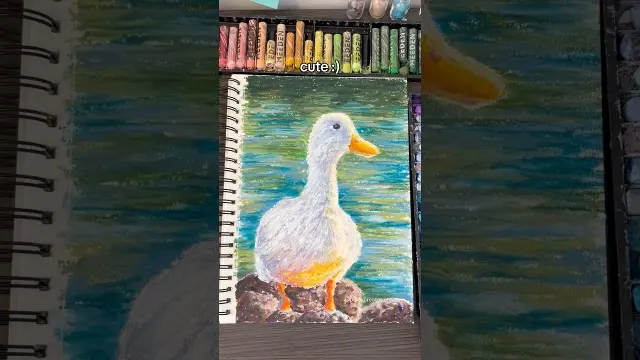
 Drawing a Duck Using Oil Pastels
#Coloring
1 ideas
Drawing a Duck Using Oil Pastels
Get new #Coloring ideas by email
Every Thursday: the week's best ideas, with the newest from #Coloring.
Related tags
Coloring: A Simple Guide to Creative Relaxation
Coloring is the practice of filling shapes, drawings, or patterns with color using pencils, markers, crayons, paints, or other art materials. It is one of the most accessible creative activities, because you do not need advanced drawing skills to enjoy it. People color for relaxation, self-expression, decoration, practice, and the simple pleasure of making an image come alive.
What coloring is
At its heart, coloring means adding color to an existing outline or design. It can be as simple as filling in a child’s picture, or as detailed as working on intricate patterns, florals, animals, or scenes. Some people color for fun, while others use it as part of their art practice to explore light, shade, and color combinations.
Coloring has a long place in everyday creativity. It appears in children’s activities, craft projects, school materials, and grown-up art books alike. You can do it informally at home or use it as a careful, meditative process.
Read more
Common materials
The tools you choose shape the look of your work:
- Colored pencils are good for control, layering, and soft shading.
- Crayons are easy to use and give a bold, classic finish.
- Markers create strong, bright color, but can bleed through thin paper.
- Gel pens can add smooth color, sparkle, or fine details.
- Watercolor pencils and paints can create softer, blended effects if used carefully.
Paper also matters. Thicker paper handles more layers and more liquid better. If you are using wet media, test a small corner first so the paper does not buckle or bleed.
Styles and techniques
There is no single correct way to color. You might prefer neat flat areas of color, or you may enjoy building depth with shading and blending. Some useful approaches include:
- Staying inside the lines for a clean, graphic look
- Layering light and dark tones to add depth
- Blending similar colors for smoother transitions
- Using contrasting colors to make parts stand out
- Leaving small highlights uncolored to suggest shine or light
If you are new to coloring, start with a limited palette. A few well-chosen colors often look more harmonious than many unrelated ones. You can also practice on simple shapes before moving on to more detailed illustrations.
Practical tips for beginners
A good way to begin is to work slowly and keep your hand relaxed. Press lightly at first, especially with pencils, so you can build color gradually. If you make a mistake, treat it as part of the process rather than trying to make every area perfect.
It also helps to think about the whole image before you begin. Decide which colors will repeat, which areas should be lighter, and where you want the eye to rest. That makes the final piece feel more balanced.
Coloring is both simple and flexible. Whether you prefer playful, bold results or soft, layered ones, it gives you a calm way to make something personal with very little pressure.
Videos come from YouTube and posts from Instagram; titles and summaries are our own. All rights belong to their creators.