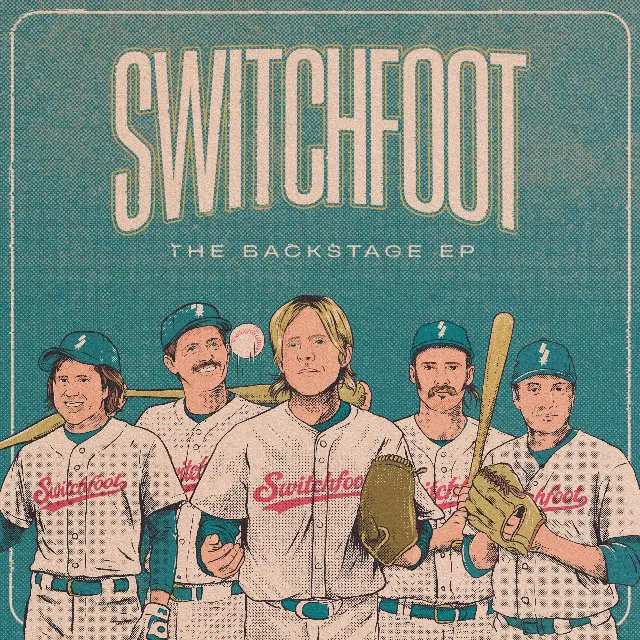
 Fan-made Artwork Concept for The Backstage EP by Switchfoot
#Illustration
7 ideas
Fan-made Artwork Concept for The Backstage EP by Switchfoot
 Adobe Illustrator Design Comparison Across Three Skill Levels
 Step by Step Flower Doodle Drawing Tutorial
 Easy Tricks to Improve and Polish Your Illustrations
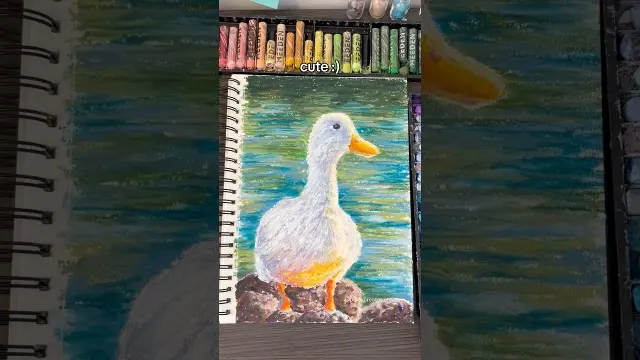 Drawing a Duck Using Oil Pastels
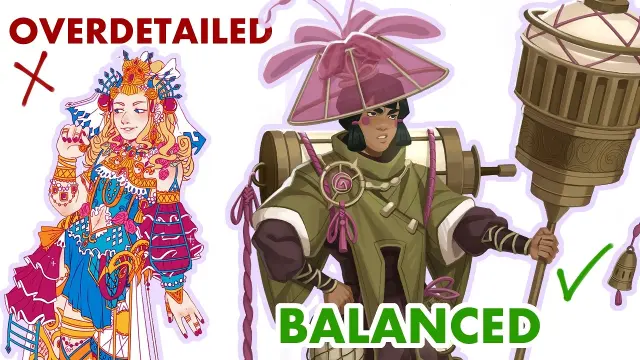 Three Essential Tips for Improving Character Designs
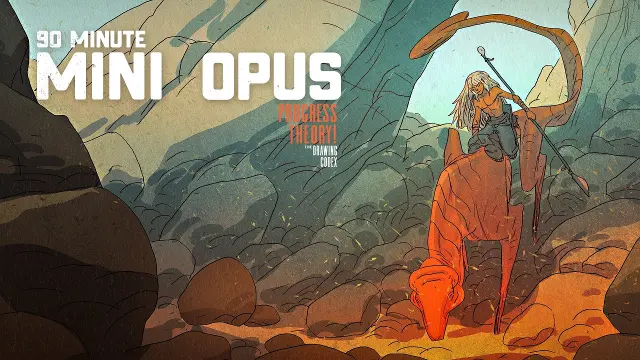 How to Improve Illustration Skills Fast with Real Time Demo
Get new #Illustration ideas by email
Every Thursday: the week's best ideas, with the newest from #Illustration.
Related tags
Illustration: A Creative Guide
Illustration is the art of creating images that explain, decorate, or bring an idea to life. It can stand alone as artwork or work alongside text in books, magazines, packaging, posters, and digital media. At its best, illustration does more than show what something looks like: it helps communicate mood, meaning, and personality.
What illustration is
Illustration has been part of visual storytelling for centuries. It began as a way to explain stories, records, and ideas before photography and mass printing were common. Today, it still serves that purpose, but it also has a strong creative role. An illustration can be realistic, stylized, simple, playful, dramatic, or abstract, depending on the message it needs to carry.
Unlike purely decorative art, illustration often has a job to do. It may help a reader understand a concept, make a story more vivid, or give a brand a distinctive visual voice. That does not mean it has to be complicated. Some of the most effective illustrations are built from a few well-chosen lines, shapes, and colors.
Read more
Common styles and kinds
There is no single way to illustrate. Some common approaches include:
- Line-based illustration, which uses contour and shape to define the subject
- Flat illustration, which relies on simple areas of color and clean forms
- Painterly illustration, which uses visible brushwork and texture
- Character illustration, focused on personality, expression, and pose
- Editorial illustration, made to clarify or comment on an idea
- Decorative illustration, which emphasizes pattern, ornament, and visual richness
- Narrative illustration, which tells a story or shows a scene in context
You may also work in a traditional medium, such as pencil, ink, watercolor, or gouache, or create digital work using drawing tools and layered editing. Many illustrators combine both approaches.
Techniques and what to think about
Whatever your medium, a strong illustration usually starts with structure. Before adding details, it helps to think about the composition, the main shapes, and the focal point. Ask yourself what the viewer should notice first and what feeling the image should create.
A few useful habits include:
- Sketching several small ideas before choosing one
- Keeping shapes clear and readable
- Using contrast to guide attention
- Choosing a limited color palette when you want a calm or unified look
- Adding texture with care so it supports the image instead of overwhelming it
- Checking proportions and silhouette, especially in character work
If you are illustrating for a purpose, clarity matters as much as style. A beautiful image still needs to be easy to read. For that reason, good illustration often balances imagination with discipline.
If you are just starting out
If you are new to illustration, begin with simple subjects. Everyday objects, plants, hands, animals, and faces are all useful practice because they teach observation and shape control. Copying from life can help you understand how forms really look, but it is also valuable to simplify what you see into clear visual choices.
Do not worry about finding a single “correct” style. Most illustrators develop their own approach gradually through repetition and experimentation. Try different tools, keep a sketchbook, and study how other artists solve problems such as composition, movement, and expression.
Above all, illustration rewards consistency. The more you draw, the easier it becomes to turn an idea into an image that feels intentional, memorable, and alive.
Videos come from YouTube and posts from Instagram; titles and summaries are our own. All rights belong to their creators.