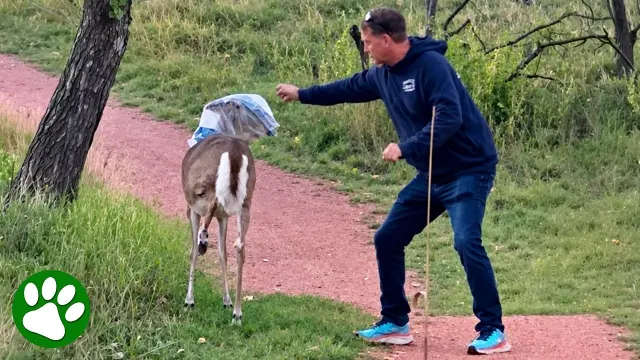
 Man safely frees a wild deer with plastic on its head
#Animal Rehabilitation
14 ideas
Man safely frees a wild deer with plastic on its head
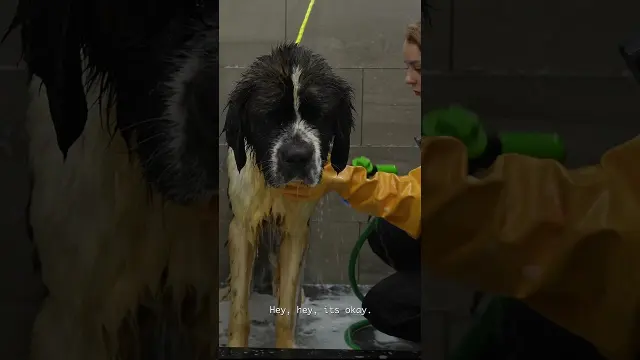 A Very Neglected St. Bernard Gets Rescued and Groomed
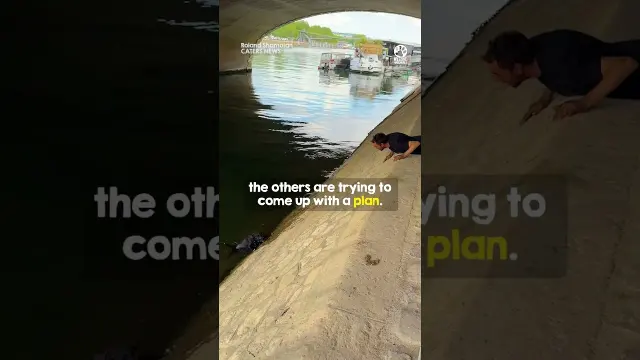 Strangers unite to save an exhausted dog from a river
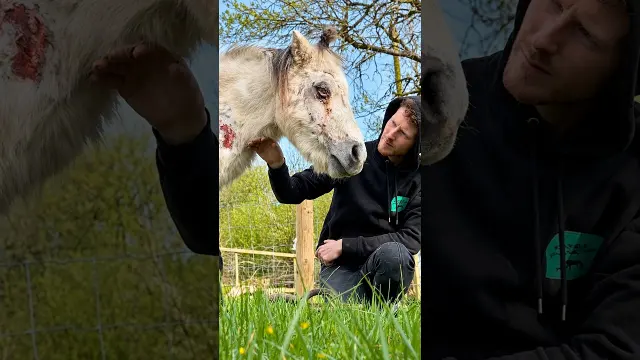 Leo the pony's remarkable rescue and recovery story
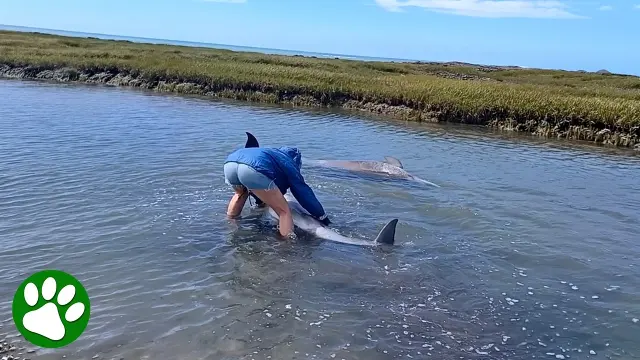 Rescuing a trapped mother dolphin and her calf
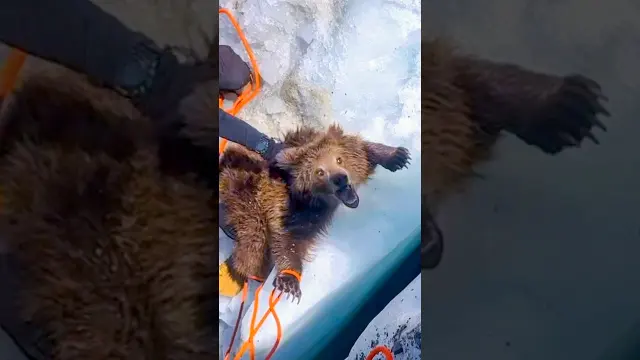 Mountaineers Rescue a Tiny Bear Cub Trapped in Ice
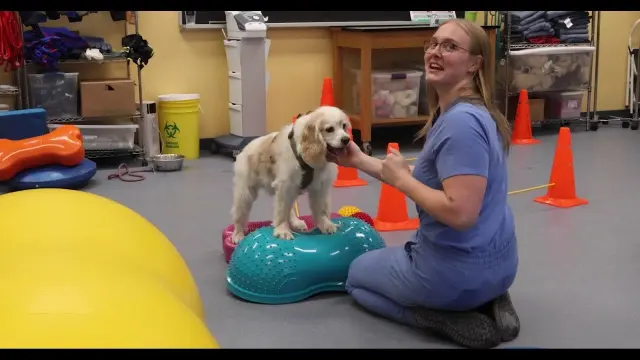 Companion animal physical rehabilitation graduate program
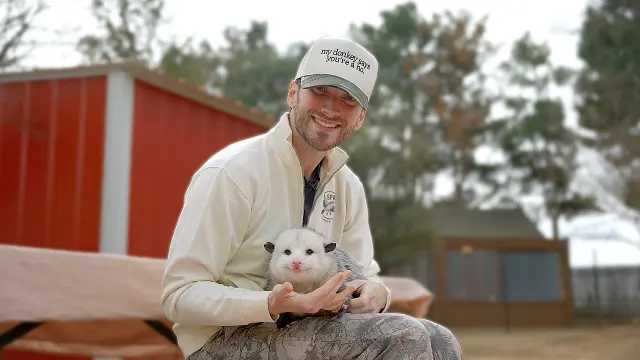 Visiting the South Plains Wildlife Rehabilitation Center
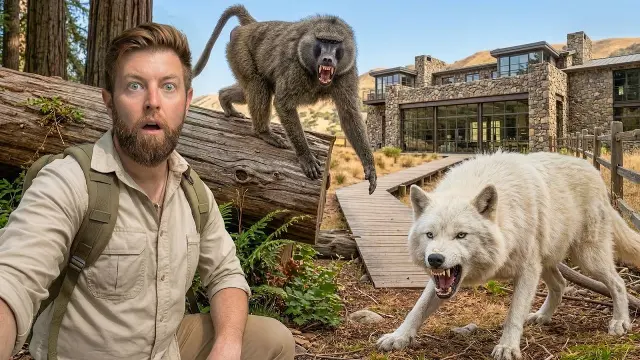 Private tour of a California backyard animal rescue
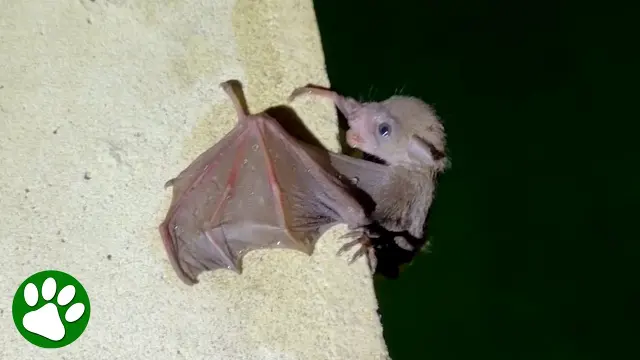 Rescuing a tiny baby bat and reuniting it with mom
 Quick rescue of a raccoon struggling in the water
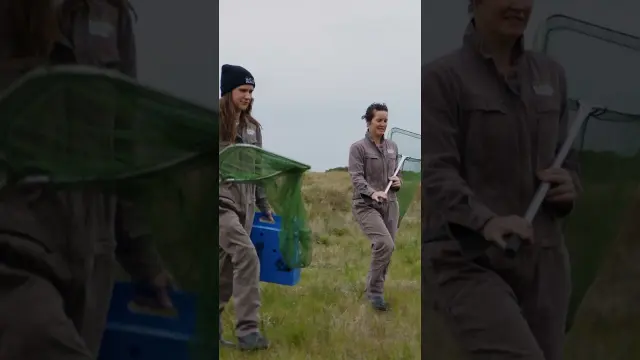 Wildlife rehabilitation at Phillip Island Nature Parks
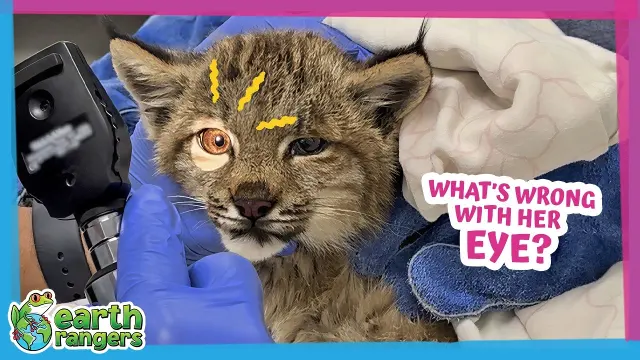 Emergency Rescue and Recovery for a Baby Lynx
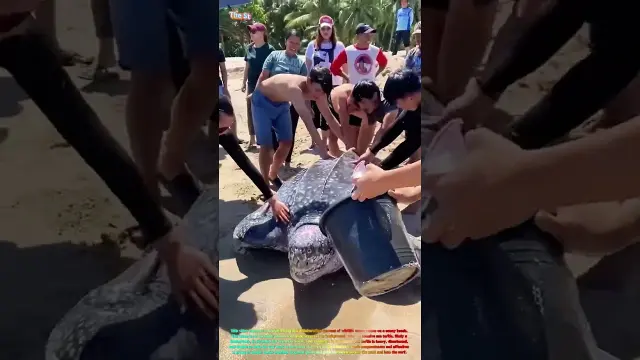 A Team Effort to Guide a Stranded Sea Turtle Back to the Ocean
Get new #Animal Rehabilitation ideas by email
Every Thursday: the week's best ideas, with the newest from #Animal Rehabilitation.
Related tags
Animal Rehabilitation: Helping Wildlife and Pets Recover
What animal rehabilitation means
Animal rehabilitation is the process of helping an injured, sick, orphaned, or neglected animal recover enough to live safely and comfortably again. It can involve wildlife, farm animals, or domestic pets, although the goals are often different in each case. For wild animals, rehabilitation usually means preparing them to return to nature. For companion animals, it may mean restoring health, mobility, confidence, and good daily care.
The practice brings together rescue, medical attention, nursing, feeding, grooming, physical support, and careful observation. In many cases, the work is done by trained veterinarians, wildlife rehabilitators, shelter staff, or experienced animal carers.
Why animals need rehabilitation
Read more
Animals may need rehabilitation after injury, illness, neglect, abuse, natural disasters, habitat loss, or being separated from their mothers. Some arrive weak and frightened. Others may have broken bones, infections, wounds, poor nutrition, or stress-related behaviour.
A rescued animal often needs more than a simple meal or a warm bed. It may need time, quiet, safety, and a gradual return to strength. Rehabilitation is about patience as much as treatment.
The main stages of care
Rehabilitation usually begins with assessment. The animal is checked for visible injuries, dehydration, weight loss, parasites, pain, or signs of distress. From there, care may include:
- Cleaning and treating wounds
- Grooming or removing dirt, mats, or debris
- Providing food and water suited to the animal’s condition
- Rest and temperature control
- Medication or veterinary monitoring
- Rebuilding strength with gentle movement or exercise
- Behavioural support, especially for fearful or stressed animals
For wild animals, the final stage is often a return to the wild only when they can move, feed, and protect themselves well enough. For pets, rehabilitation may continue at home with regular vet guidance, routine, and kindness.
Common approaches and techniques
Different animals need different methods. A baby wild animal may require quiet isolation, species-appropriate feeding, and minimal human contact so it does not become too dependent on people. A neglected dog may need careful grooming, gradual nutrition, and help learning to trust humans again. A bird with an injury may need a safe enclosure and time to regain flight strength.
Some useful principles apply across the board:
- Move slowly and reduce stress
- Keep the environment calm and secure
- Handle the animal only as much as needed
- Follow professional advice for feeding and medication
- Watch for changes in appetite, movement, breathing, and behaviour
What beginners should know
If you find an injured or distressed animal, your first step is usually to contact a qualified rescue, shelter, or veterinary professional. Wild animals can be dangerous to handle, and some apparently abandoned animals are simply waiting for a parent to return.
If you are caring for a pet recovering at home, keep things simple. Offer a clean, quiet space, fresh water, suitable food, and a steady routine. Let recovery happen at the animal’s pace, and avoid forcing activity too soon.
A thoughtful, patient process
Animal rehabilitation asks for compassion, observation, and restraint. The goal is not only survival, but a better quality of life. Whether the animal is a wild creature returning to its habitat or a companion animal learning to feel safe again, careful rehabilitation can make a lasting difference.
Videos come from YouTube and posts from Instagram; titles and summaries are our own. All rights belong to their creators.