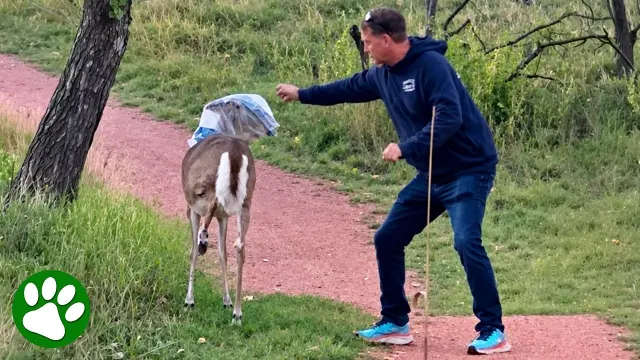
 Man safely frees a wild deer with plastic on its head
#Wildlife Rescue
22 ideas
Man safely frees a wild deer with plastic on its head
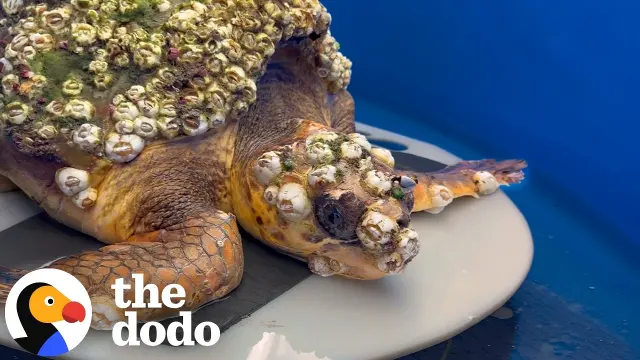 Sea Turtle Recovers After 92 Days of Rehabilitation
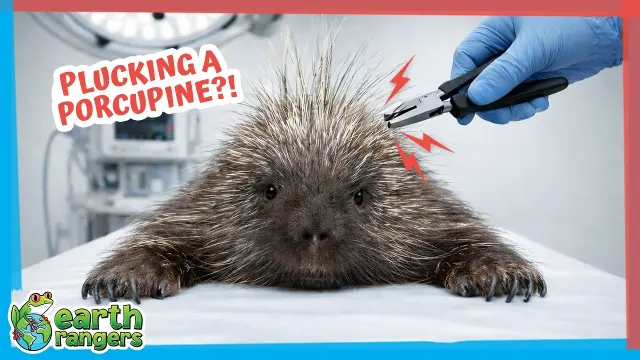 Understanding Why Wildlife Rehabilitators Remove Porcupine Quills
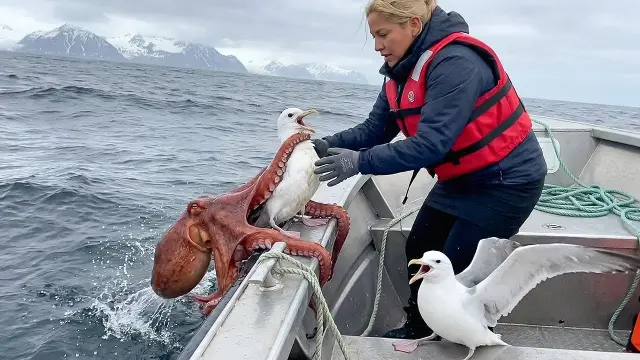 Heartwarming Moments of Wild Animals Asking Humans for Help
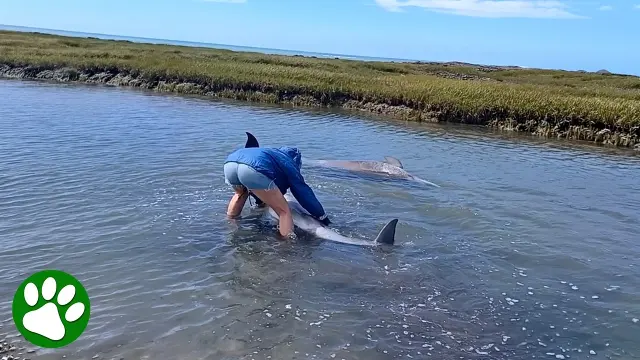 Rescuing a trapped mother dolphin and her calf
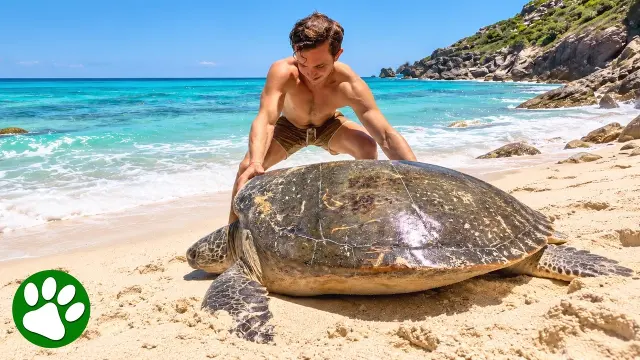 Stranded Sea Turtle Rescued on a Mexican Beach
 Seven Incredible Animal Rescue Moments Captured on Camera
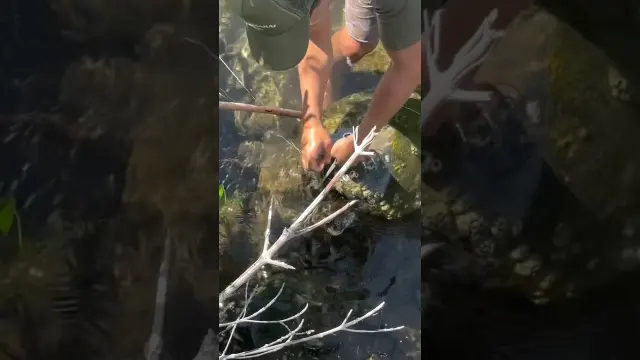 Rescuing a Sea Turtle Caught in Fishing Line
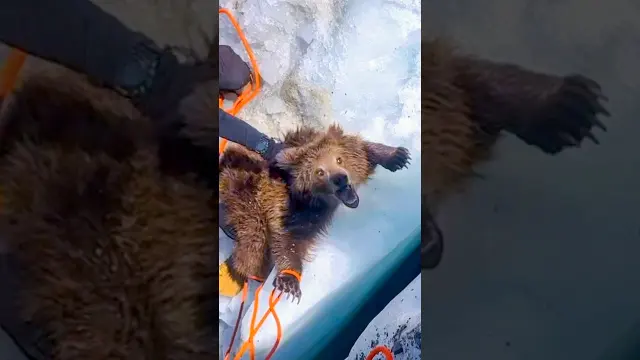 Mountaineers Rescue a Tiny Bear Cub Trapped in Ice
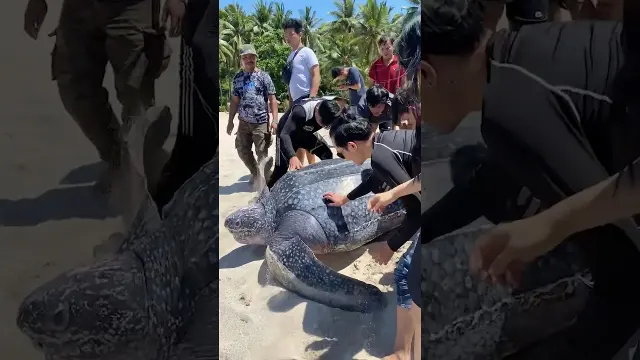 Helping a Giant Sea Turtle Back to Sea
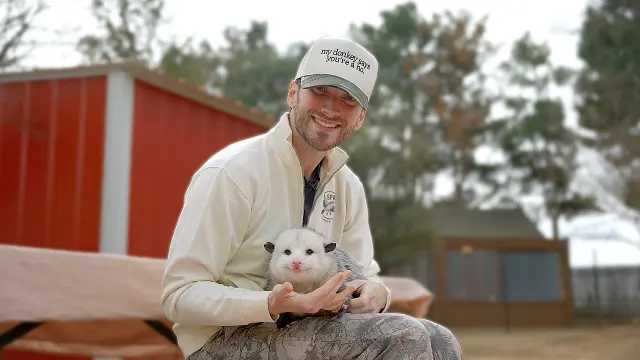 Visiting the South Plains Wildlife Rehabilitation Center
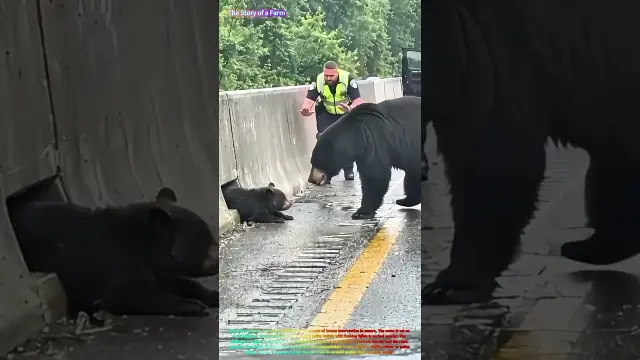 Rescuing a Trapped Bear Cub Stuck Near a Highway Barrier
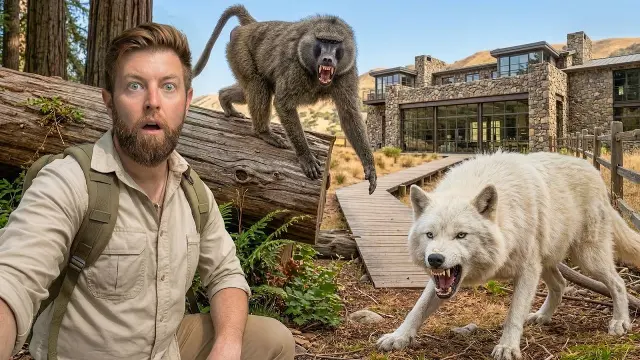 Private tour of a California backyard animal rescue
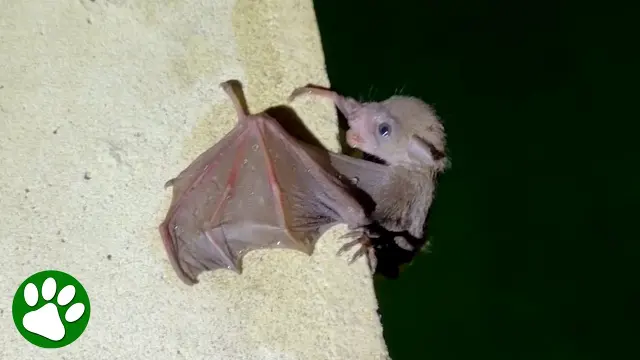 Rescuing a tiny baby bat and reuniting it with mom
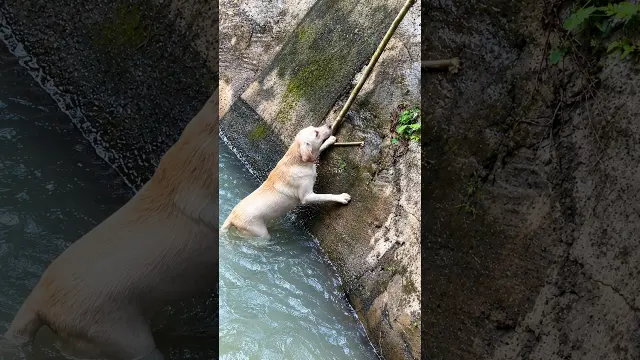 Man Refuses to Give Up on Dog Trapped in Canal
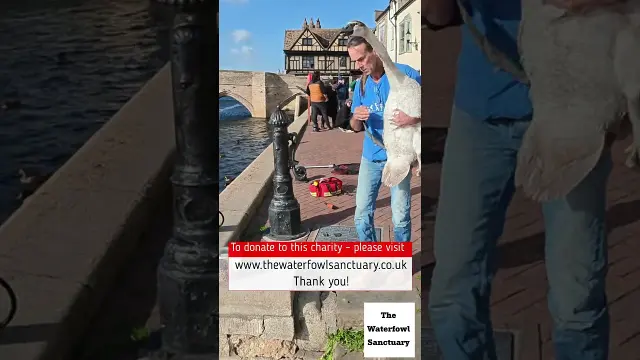 Safely Removing a Fish Hook From a Young Cygnet's Throat
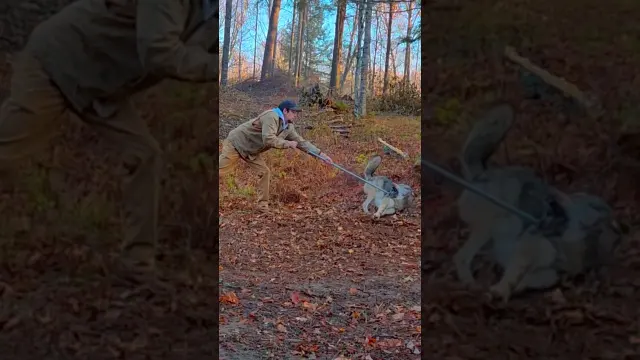 Patient Rescue and Release of a Wolf Caught in a Trap
 Quick rescue of a raccoon struggling in the water
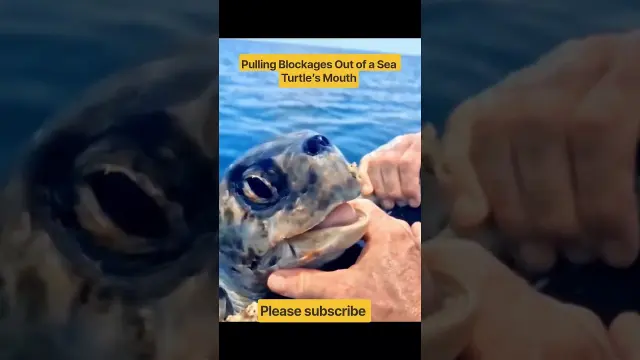 Rescuing a Sea Turtle Trapped in Pain
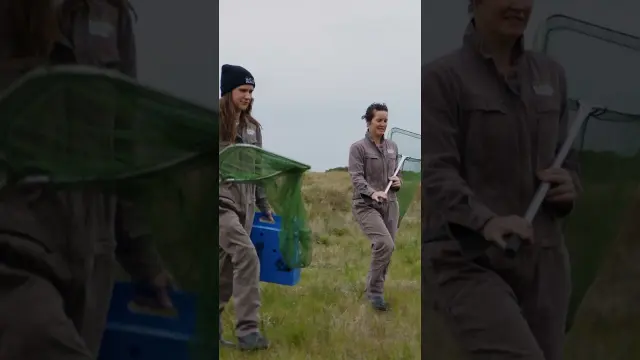 Wildlife rehabilitation at Phillip Island Nature Parks
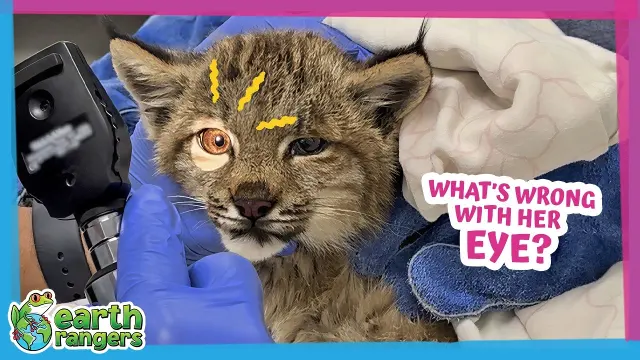 Emergency Rescue and Recovery for a Baby Lynx
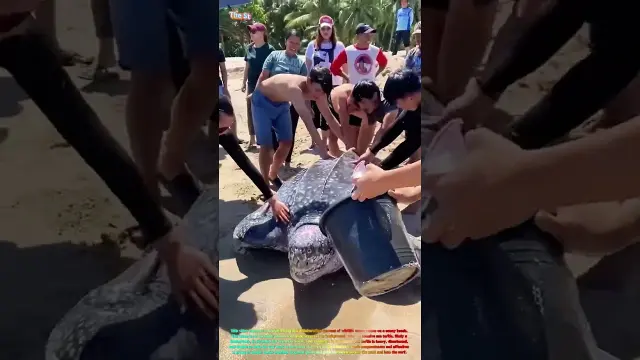 A Team Effort to Guide a Stranded Sea Turtle Back to the Ocean
Get new #Wildlife Rescue ideas by email
Every Thursday: the week's best ideas, with the newest from #Wildlife Rescue.
Related tags
Wildlife Rescue: Helping Injured Animals Safely
Wildlife rescue is the work of helping wild animals that are injured, trapped, lost, or too weak to survive on their own. It can involve a baby animal separated from its parent, a bird caught in netting, a sea turtle stranded on a beach, or a mammal hurt by traffic or habitat loss. The aim is not to tame wildlife, but to give the animal the best chance to recover and return to nature if possible.
What wildlife rescue means
Unlike pet care, wildlife rescue must always respect the animal’s wild instincts and needs. A rescued animal is often frightened, stressed, and in pain. That means the first priority is safety: keeping people away from danger, reducing noise and handling, and contacting trained wildlife responders whenever possible. In many cases, the best help you can give is to observe from a distance and call the right local authority or rescue group.
Wildlife rescue also includes rehabilitation, which is the period of care after the immediate emergency. During rehabilitation, an animal may need warmth, fluids, wound care, rest, or time away from human contact. The goal is release back into the wild when the animal is able to fend for itself.
Read more
Common rescue situations
Wildlife rescue can happen in many settings:
- Animals tangled in fishing line, netting, or wire
- Birds that have struck windows or power lines
- Orphaned young animals that appear abandoned
- Sea turtles and other marine animals stranded on beaches
- Land animals injured by vehicles, fences, or predators
- Wildlife displaced by fire, flood, or habitat disturbance
Each situation needs a different response, but the same rule applies: do not assume you should feed, wash, or move the animal unless you have been advised to do so.
What to do if you find wildlife in trouble
If you come across an injured or distressed wild animal, stay calm and keep your distance. Watch for signs such as obvious bleeding, difficulty breathing, a limp, entanglement, or inability to stand or fly. If the animal is in immediate danger, such as on a road or near water, contact trained help quickly.
A few practical guidelines can help:
- Keep children and pets away
- Avoid loud noises and sudden movement
- Do not touch the animal unless instructed by a professional
- If safe, note the location and the animal’s condition
- Follow advice from wildlife rescuers exactly
If you must wait for help to arrive, the best thing you can do is create space and reduce stress around the animal.
Understanding rehabilitation and release
Rehabilitation is a careful process. Some animals recover quickly, while others need longer support. Good rehabilitation focuses on the animal’s natural behavior, including avoiding human imprinting, maintaining proper diet, and preparing the animal for the skills it needs outdoors. Release is only appropriate when the animal can survive independently and is returning to a suitable habitat.
Wildlife rescue is both compassionate and disciplined. It asks for patience, restraint, and respect for nature. When you know how to respond, you can help an animal in need without causing extra harm, and that can make all the difference.
Videos come from YouTube and posts from Instagram; titles and summaries are our own. All rights belong to their creators.