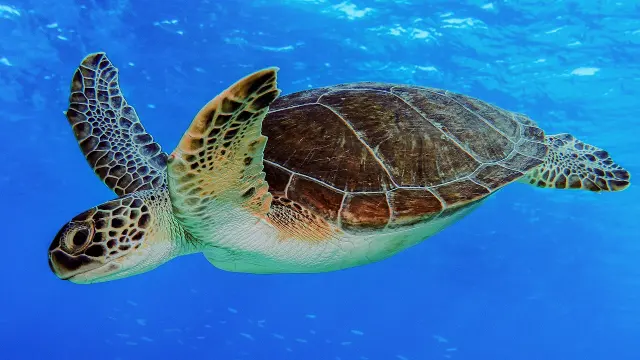
 Giant Sea Turtles and Coral Reef Scenery
#Ocean Life
22 ideas
Giant Sea Turtles and Coral Reef Scenery
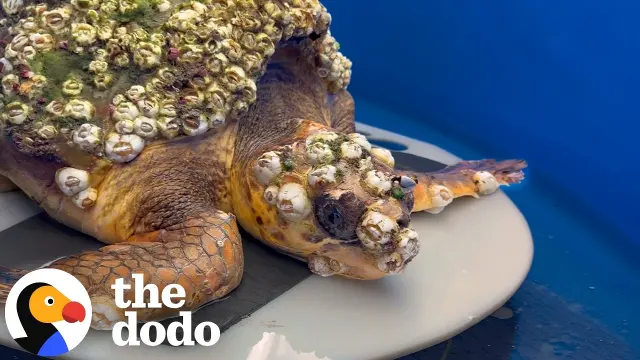 Sea Turtle Recovers After 92 Days of Rehabilitation
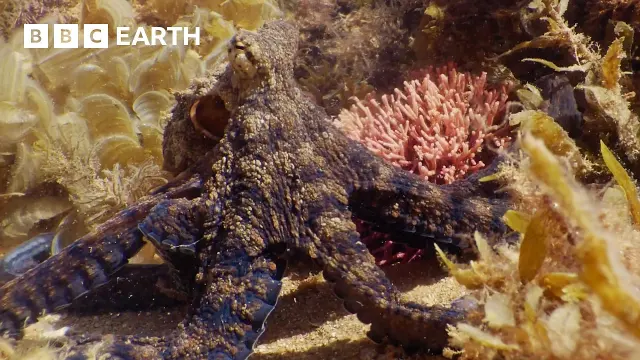 Three Hours of Wildlife and Feeding Habits Beneath the Waves
 Forces and Marine Systems of the Atlantic Ocean
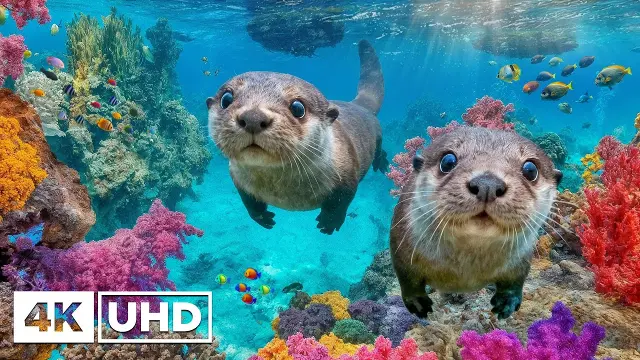 Relaxing Aquarium View with Colorful Coral Reef Fish
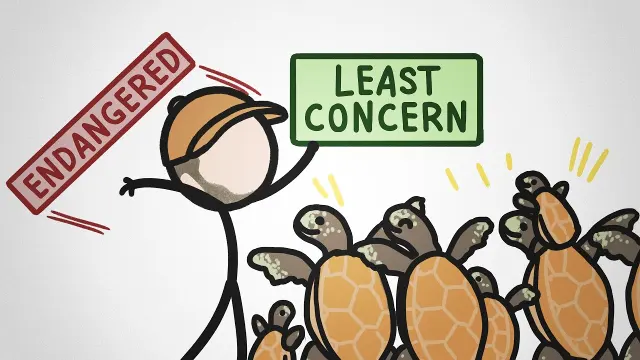 Green Sea Turtle Conservation Success
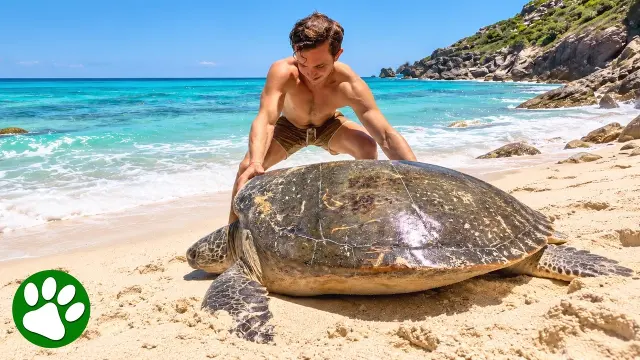 Stranded Sea Turtle Rescued on a Mexican Beach
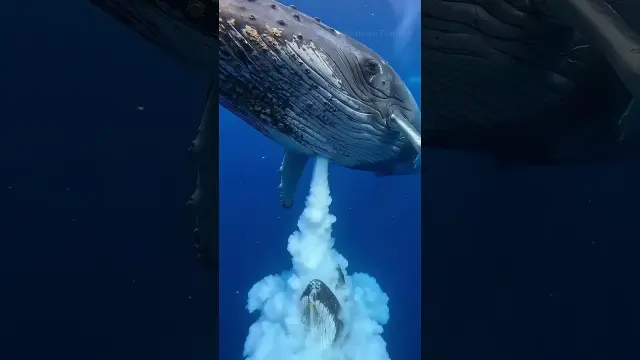 Humpback Whale Nursing Her Calf Underwater
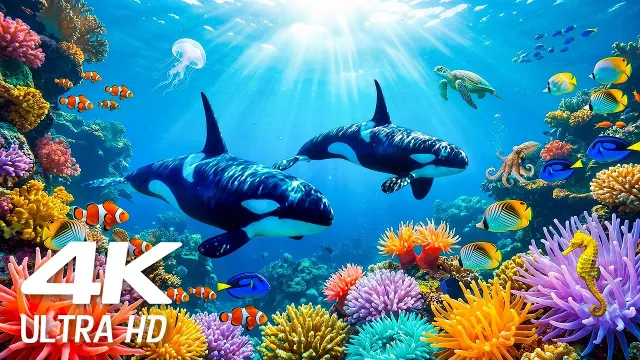 Vibrant Coral Reefs and Marine Life in 4K
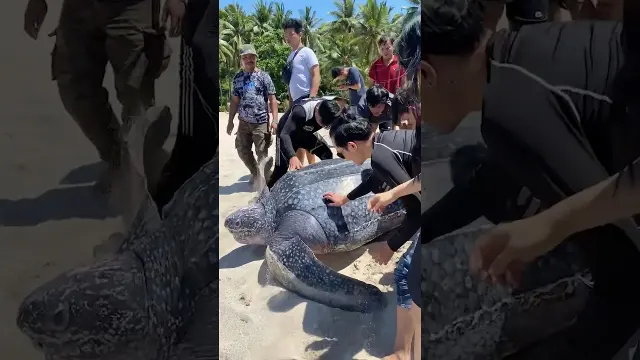 Helping a Giant Sea Turtle Back to Sea
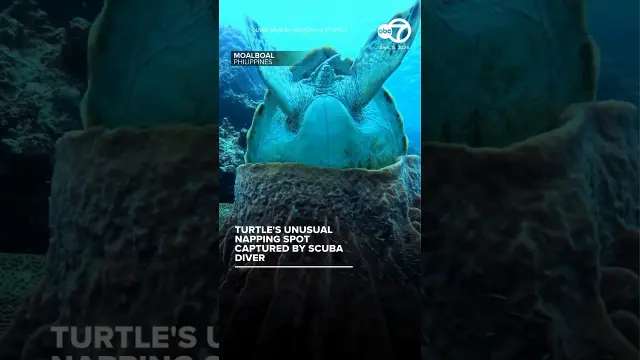 Sea Turtle Takes a Nap in an Unusual Spot
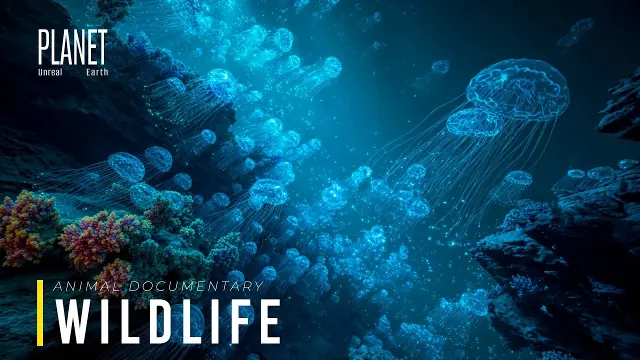 Strange Creatures of the Deep Ocean Abyss
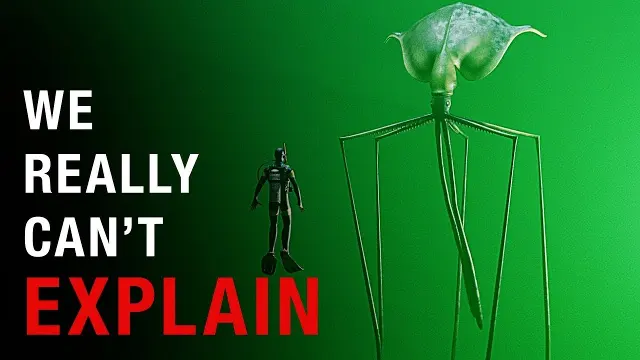 Bizarre Adaptations of Deep Sea Creatures
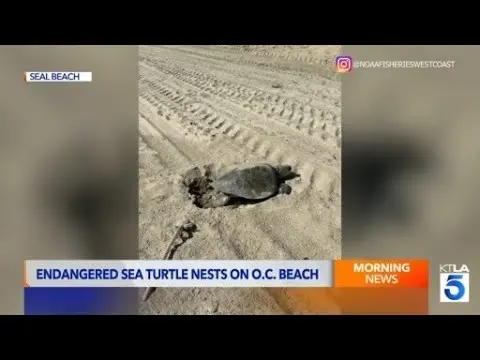 Endangered Sea Turtle Nests on Orange County Beach
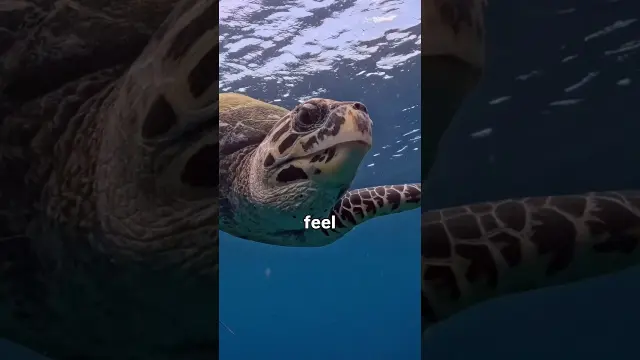 Fascinating Facts About Sea Turtle Shells
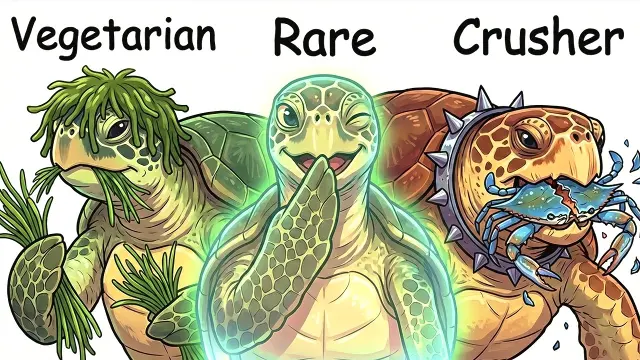 Overview of Different Sea Turtle Species
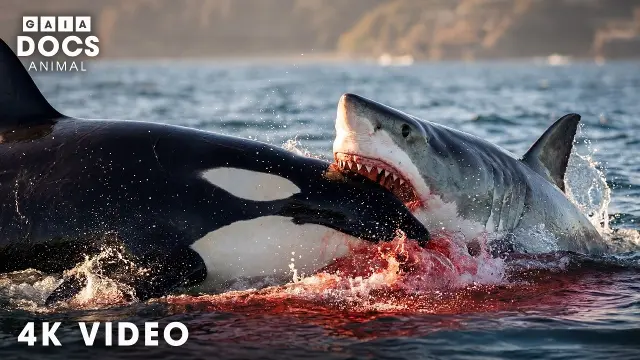 Exploring the Predators and Marine Life of the Pacific Ocean
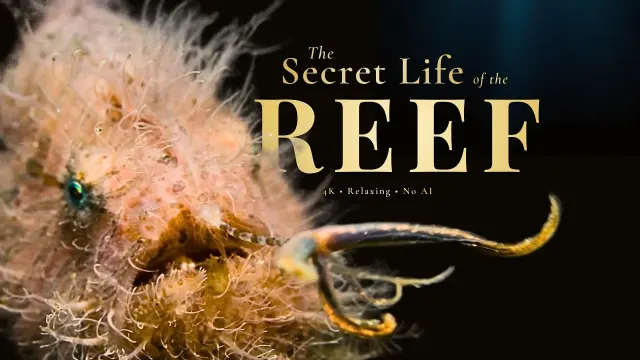 The Rich Marine Biodiversity of the Coral Triangle
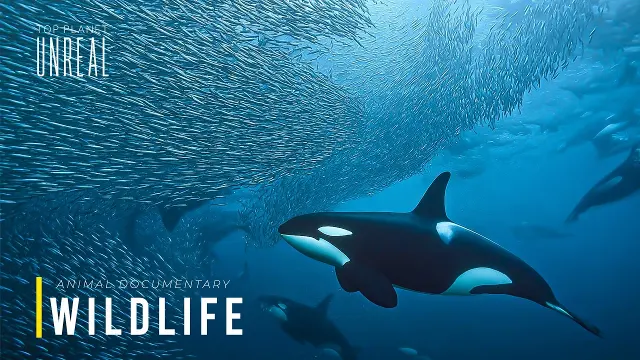 Food Chain Hierarchy and Apex Predators in the Pacific Ocean
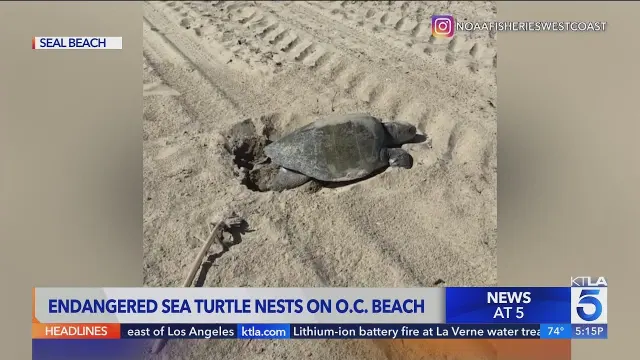 Second Sea Turtle Spotted Nesting on Southern California Beach
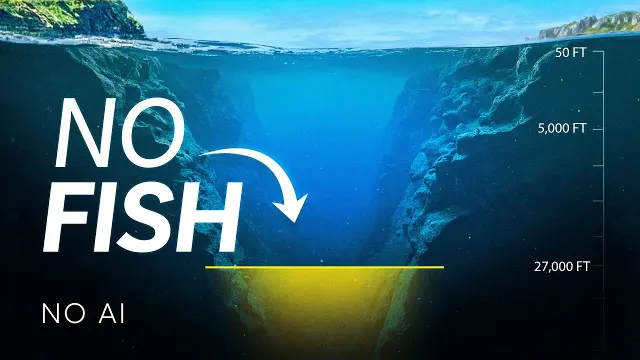 How Marine Life Survives in the Mariana Trench
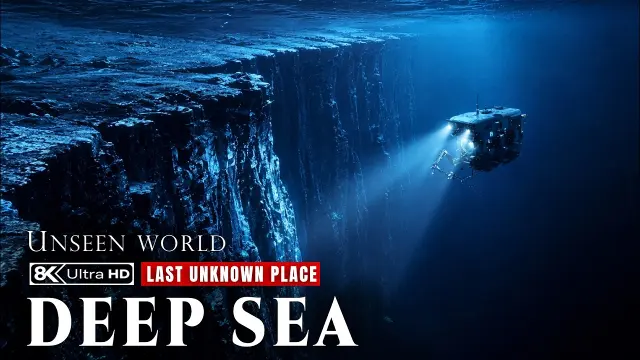 Exploring the Unknown Realm of the Deep Ocean
Get new #Ocean Life ideas by email
Every Thursday: the week's best ideas, with the newest from #Ocean Life.
Related tags
Sea Turtles and Ocean Life
What sea turtles are
Sea turtles are marine reptiles that have lived in the oceans for millions of years. They spend most of their lives in salt water, but they must come ashore to nest. Unlike land turtles, sea turtles are built for swimming: they have streamlined shells, powerful flippers, and a body shape that helps them travel long distances through open water.
They are found in warm and temperate oceans around the world. Different species use different habitats, including coral reefs, seagrass beds, coastal waters, estuaries, and the open sea. Because they move between land and ocean, sea turtles are a familiar symbol of ocean life and the connection between coastal habitats.
Main kinds and habits
Read more
There are several sea turtle species, and each has its own preferences. Some feed on seagrass and algae, while others eat jellyfish, sponges, crustaceans, or other small sea creatures. This variety helps sea turtles play different roles in marine ecosystems.
Sea turtles are known for long migrations. Many travel between feeding grounds and nesting beaches, sometimes crossing large stretches of ocean. Females return to land to lay eggs in sand, usually at night. The young hatchlings then make their way to the sea on their own, guided by instinct and natural light.
Shells, movement, and adaptations
A sea turtle’s shell is part of its body, not a separate covering. It provides protection, though it is lighter and more streamlined than the shell of a land turtle. Their flippers are adapted for swimming rather than walking, which is why sea turtles move awkwardly on land but gracefully in water.
They also have special adaptations for marine life, including the ability to hold their breath for long periods. Still, they need air, so they must come to the surface regularly. Understanding these adaptations helps explain why sea turtles depend so strongly on healthy coastal and ocean environments.
What beginners should know
If you are learning about sea turtles, start by remembering that they are wild animals with very specific needs. They are vulnerable to disturbance on nesting beaches, and they can be affected by habitat loss, pollution, fishing gear, boat traffic, and changes in ocean conditions.
- Keep your distance if you see a sea turtle in the wild.
- Never touch, feed, or chase one.
- Give nesting turtles and hatchlings plenty of space.
- Avoid bright lights near beaches where turtles may nest.
- Help protect clean beaches and healthy marine habitats.
Why they matter
Sea turtles are more than beautiful ocean creatures. They are part of a larger web of marine life, and their presence often signals the health of the habitats they depend on. Learning about them is a good way to understand ocean life more broadly: how animals migrate, feed, nest, and survive across very different environments.
If you are drawn to sea turtles, the best approach is simple: admire them from a distance, respect their habitats, and support the ocean spaces they need to thrive.
Videos come from YouTube and posts from Instagram; titles and summaries are our own. All rights belong to their creators.