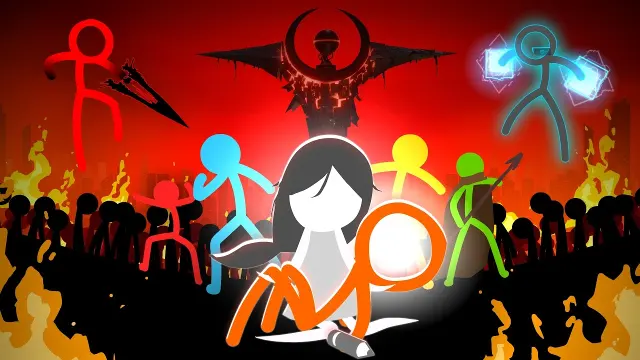
 Alan Becker's Animator vs. Animation: The Dark Age Episode
#Animated Series
1 ideas
Alan Becker's Animator vs. Animation: The Dark Age Episode
Get new #Animated Series ideas by email
Every Thursday: the week's best ideas, with the newest from #Animated Series.
Related tags
The Art of the Animated Series
An animated series is a set of episodic stories told through moving images rather than live actors. Episodes share characters and a world, and they usually build across a season and beyond, so the format sits somewhere between film and serialised television. What distinguishes animation as a medium is that every frame is created rather than captured: drawings, cut-out shapes, puppets, clay, computer models or a blend of these are brought to life through a sequence of still images shown fast enough to read as motion by the human eye.
Where it comes from
Animation goes back further than most people assume. Before television, short animated cartoons ran in cinemas alongside features, and studios developed the craft of character acting, timing and background painting there. When broadcasting spread, animation moved into the home, and the half-hour episode became the standard shape of the form. Later, cable channels devoted entirely to cartoons, then home video and finally streaming turned animation from a niche into a constant presence, with series made for every age and taste.
The main kinds
Read more
The broadest split is by technique. Hand-drawn, or traditional, animation relies on sequences of drawings, now usually finished digitally. Stop-motion moves physical objects one frame at a time, giving a distinctive handmade rhythm. Computer animation builds characters and sets in three dimensions and animates them with rigs and simulation. Cut-out, silhouette and mixed-media approaches sit alongside these, and many modern productions combine several methods.
By audience and tone, series range from children's shows built around simple, repeatable stories to adult-oriented satire, drama and anthology work. Anime, the Japanese tradition, has its own conventions of pacing, character design and long-form storytelling. Limited animation — fewer frames, held poses, emphasis on strong design — is a legitimate style in its own right, not a shortcut.
What beginners should know
A few things make watching animation more rewarding. Pay attention to timing: comedy and emotion in animation are largely a matter of how long a pose is held. Notice the background work, which often carries atmosphere the dialogue does not. Follow the creator or studio rather than only the title, since a distinctive visual voice tends to travel across projects. Web animation is worth exploring too: independent animators now publish serialised work online, outside the traditional studio system.
Practical tips for watching and learning
If you want to explore the form, start with short series or single episodes rather than long sagas. Try one example from each technique so you can feel the differences. Rewatch with the sound off to see how much the visuals communicate alone. If you are curious about making your own, begin with a very small project: a single scene, a few seconds, one character. Learn the basic principles of movement and timing before investing in software, and keep the character design simple enough that you can draw or pose it many times. Most animators improve fastest by finishing short pieces rather than planning long ones.
#Animated Series: frequently asked questions
What makes an animated series different from live-action television?
In animation, nothing is filmed — every frame is constructed, whether from drawings, puppets, clay or computer models, and then played back quickly enough that the eye reads it as movement. Episodes also tend to share a cast of characters and a built world that grows across a season, which places the format between a standalone film and a long-running serial.
Which animation technique is easiest to try first?
It depends on what you already enjoy doing: drawing suits people who like to sketch repeatedly, stop-motion suits those who prefer handling physical objects, and computer animation suits those comfortable learning a program. Whichever you pick, test it with something brief before committing to a bigger idea, so you can feel whether the process itself holds your interest.
How do I choose a series when there is so much to pick from?
Start with a short series or even a single episode rather than a lengthy saga, so you can sample widely without a big time commitment. Trying one example from each major technique is a good way to notice what you respond to, and following a particular creator or studio often leads you to work you will like more reliably than chasing titles.
Is limited animation just a cheaper, lower-quality option?
Not at all — fewer frames and long-held poses are a deliberate stylistic choice with their own expressive power. When the character design and staging are strong, restraint in movement can read as elegance or tension rather than as a shortcut, so it is worth judging each series on its own terms.
What do beginners usually get wrong when making their own animation?
The most common missteps are planning something far too long, buying software before understanding how movement and timing actually work, and designing a character too intricate to draw or pose again and again. Finishing many small pieces teaches far more than polishing one ambitious project that never gets completed, and a simple character will free you to concentrate on the acting.
How can I get more out of watching animation?
Watch for timing first, since comedy and feeling in animation depend heavily on how long a pose is held, and give some attention to the backgrounds, which often set the mood the dialogue leaves out. Rewatching with the sound off is a useful exercise because it shows how much the images are carrying on their own.
Videos come from YouTube and posts from Instagram; titles and summaries are our own. All rights belong to their creators.