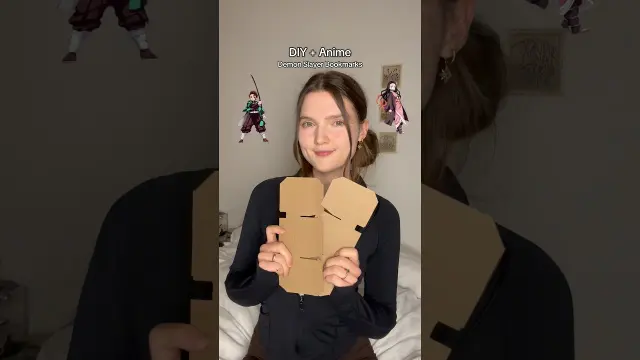
 Demon Slayer DIY Bookmarks Based on the Kamaboko Squad
#Anime Crafts
1 ideas
Demon Slayer DIY Bookmarks Based on the Kamaboko Squad
Get new #Anime Crafts ideas by email
Every Thursday: the week's best ideas, with the newest from #Anime Crafts.
Related tags
Anime Crafts: A Beginner's Guide to Handmade Fan Art
Anime crafts are handmade objects inspired by Japanese animation: a paper figure of a favourite character, a tiny clay mascot on your shelf, a felt keychain stitched from a sketch. What draws people in is simple — animation lives on a screen, and making something with your hands turns a character into a physical object you can hold, give away or display. The hobby needs no special talent to begin with, only patience and a willingness to let the first attempts be imperfect.
Where it comes from
Making things around animation grew out of Japanese fan culture, where enthusiasts have long produced their own comics, costumes and figures rather than waiting for official merchandise. Fans sculpted and cast their own small resin figures, built props and armour from foam and plastic, and folded characters out of paper. As anime spread around the world, those practices travelled with it, mixing with local craft traditions — sewing, beadwork, embroidery, model making — until "anime crafts" came to mean a whole family of techniques rather than one.
The main kinds
Read more
- Papercraft: printed templates are cut, scored, folded and glued into three-dimensional figures. Cheap to try and a good first project.
- Polymer clay: soft clay shaped by hand and baked at home into small figures, charms and miniature props. Chibi proportions are far more forgiving than realistic ones.
- Felt and fabric: hand-sewn plushies, pillows and keychains, often built from simple two-piece patterns.
- Fuse beads: tiny plastic beads arranged on a pegboard and melted together, ideal for the blocky look of older game and animation sprites.
- Embroidery and cross stitch: thread work suits pixel-style designs and gives a quiet, portable project.
- Resin and shrink plastic: poured or baked into charms, pins and bookmarks.
- Cosplay props: foam, cardboard and thermoplastic sheets shaped into weapons, masks and accessories.
Getting started
Pick one character and one technique rather than a whole cast. Choose a design with a simple silhouette — a round mascot, a single pose, a head-and-shoulders portrait — because the shape is what makes a character recognisable, not the tiny details. Keep clear reference images in front of you and sketch the outline before you cut or sculpt anything, so mistakes cost paper rather than materials.
Match the material to your experience. Paper, felt and beads forgive errors and need little equipment; clay, resin and foam reward practice but punish rushing. Read the instructions on whatever you buy and follow the stated temperatures and curing times.
Good habits
Work in a well-ventilated space and keep glues, blades and resin away from children and pets. Store clay and beads sealed so they stay workable. Photograph each stage as you go: seeing a project come together is encouraging, and the photos help you spot what to change next time.
Finally, be thoughtful about what you make and share. Fan-made pieces are usually made for personal enjoyment and gifts; selling work based on someone else's characters raises questions of ownership that are worth understanding before you set up a stall. Keep a sketchbook, finish small things often, and the skill will follow.
#Anime Crafts: frequently asked questions
How do I start with anime crafts if I have never made anything before?
Choose a single character and a single technique rather than trying to make a whole cast at once, and pick a design with a simple, readable silhouette. Papercraft and felt are forgiving first projects because they need little equipment and mistakes cost very little. Keep clear reference images in front of you and sketch the outline before you cut or sculpt anything, so errors stay on paper instead of ruining materials.
What supplies do I actually need to make anime crafts?
It depends entirely on the technique: paper templates call for a knife, glue and a scoring tool, while polymer clay needs the clay itself plus an oven to bake it. Match the material to your experience, since paper, felt and beads tolerate errors while clay, resin and foam reward practice but punish rushing. Read the instructions on whatever you buy and follow the stated temperatures and curing times.
Which kind of anime craft should I choose?
Let the look you want guide you — blocky, sprite-style characters suit fuse beads or cross stitch, while rounded mascots and chibi figures work well in clay or felt. Think about your workspace too, because thread work is quiet and portable whereas resin and foam need ventilation and more room. If you are undecided, try the simplest material first and see whether you enjoy the process before investing in more.
How do I care for handmade anime crafts?
Keep baked clay figures and melted bead pieces out of direct heat and strong sunlight, and store unused clay and beads sealed so they stay workable. Felt and fabric items are best spot cleaned gently rather than washed, and papercraft should stay dry and away from damp. Pay attention to the points where charms and pins attach, since those joints tend to weaken first.
What mistakes do beginners usually make with anime crafts?
The most common is chasing tiny details before the overall shape works, when it is really the silhouette that makes a character recognisable. Rushing is another, especially with clay, resin and foam, which punish haste far more than paper or felt do. Skipping the reference sketch and working in a poorly ventilated space round out the usual list.
Can I make anime crafts as gifts, and what should I keep in mind?
Small handmade pieces such as keychains, bookmarks and charms make thoughtful gifts because they turn a screen character into something personal you can hold. Fan-made work is generally made for personal enjoyment and giving, so it is worth understanding questions of ownership before selling anything based on someone else's characters. Photographing each stage as you go keeps you encouraged and shows you what to change next time.
Videos come from YouTube and posts from Instagram; titles and summaries are our own. All rights belong to their creators.