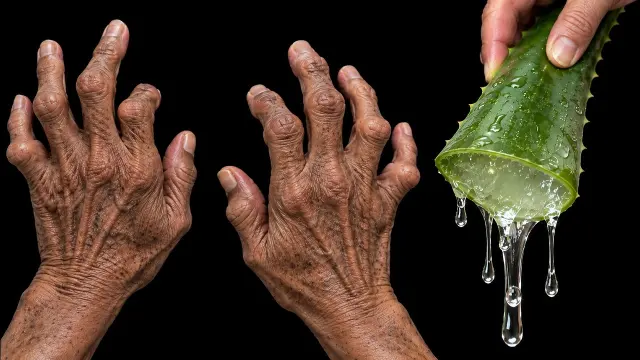
 Traditional Japanese Aloe Vera Routine for Skin Rejuvenation
#Anti-Aging
6 ideas
Traditional Japanese Aloe Vera Routine for Skin Rejuvenation
 Five Daily Habits Causing Faster Skin Aging and Solutions
 Hydrating and Anti-Aging Benefits of Aloe Vera for Skin
 Ultimate Skincare Ingredient Guide Based on Skin Concerns
Get new #Anti-Aging ideas by email
Every Thursday: the week's best ideas, with the newest from #Anti-Aging.
Related tags
Anti-Aging Skincare Basics
What anti-aging means
Anti-aging is a broad term for caring for skin in ways that help it look healthy, comfortable, and resilient as it changes over time. Skin naturally becomes thinner, drier, and a little less elastic with age, so the goal is not to stop time, but to support the skin’s barrier and reduce the visible effects of daily wear.
Most anti-aging care focuses on the face, neck, and hands, because these areas are often exposed to sun, wind, and frequent washing. A good routine is usually simple, consistent, and gentle.
The main causes of visible skin aging
Read more
Aging skin is shaped by both internal and external factors. Natural aging affects collagen, elasticity, and oil production. External factors, especially sun exposure, can make fine lines, roughness, and uneven tone more noticeable over time.
Other everyday habits can also matter, such as smoking, poor sleep, stress, and harsh skincare. While you cannot control everything, you can make choices that help skin stay comfortable and well cared for.
What helps most
The most useful anti-aging habits are often the basics:
- Use sunscreen every day on exposed skin.
- Cleanse gently, without over-scrubbing.
- Moisturize regularly to support the skin barrier.
- Choose products that suit your skin type.
- Be consistent rather than using too many strong products at once.
Sun protection is especially important because it helps limit visible signs of sun damage. Moisturizing can also make skin feel smoother and softer, while a gentle cleanser helps remove dirt and makeup without stripping the skin.
Common ingredients
Many anti-aging products rely on ingredients that support hydration, renewal, or a smoother appearance. Common examples include:
- Humectants such as glycerin or hyaluronic acid, which help attract moisture
- Antioxidants, which help protect against environmental stress
- Retinoids or retinol, which may help improve the look of fine lines and texture
- Exfoliating acids, which can help with dullness and roughness
- Ceramides and other barrier-supporting ingredients, which help reduce dryness
If you are new to active ingredients, start slowly and introduce one product at a time. Some ingredients can cause irritation, especially on sensitive skin.
Tips for beginners
If you want to begin an anti-aging routine, keep it simple:
- Start with cleanser, moisturizer, and sunscreen.
- Add one active ingredient at a time.
- Patch test new products if your skin is sensitive.
- Give products time to show results.
- Stop using anything that causes persistent burning, redness, or discomfort.
A gentle routine often works better than an aggressive one. Skin usually responds well to steady care, not frequent changes.
What to remember
Anti-aging skincare is really about skin health, comfort, and prevention. You do not need a complicated routine to take good care of your skin. Focus on hydration, sun protection, and gentle habits, and choose products that fit your skin rather than fighting it. Over time, that kind of care can help your skin look smoother, calmer, and more refreshed.
Videos come from YouTube and posts from Instagram; titles and summaries are our own. All rights belong to their creators.