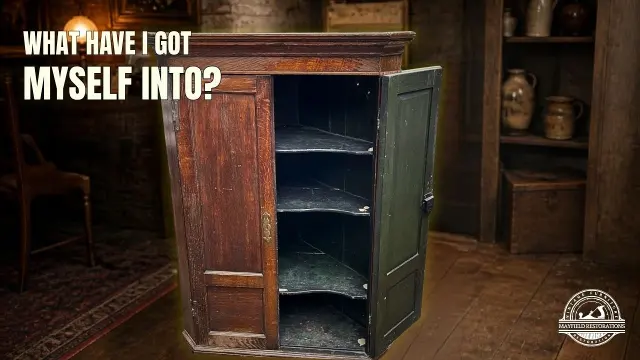
 Restoring a Heavily Damaged 200-Year-Old Oak Corner Cabinet
#Antique Restoration
2 ideas
Restoring a Heavily Damaged 200-Year-Old Oak Corner Cabinet
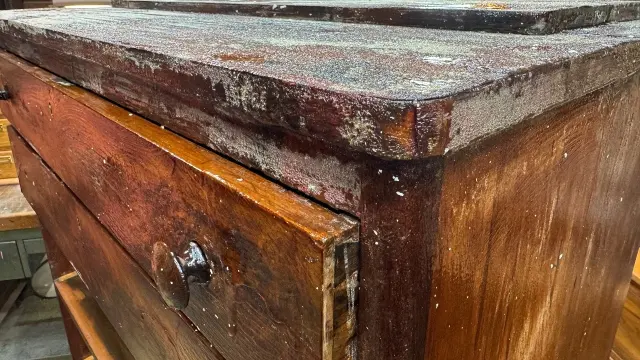 Detailed Restoration Process of an 1830s Antique Dresser
Get new #Antique Restoration ideas by email
Every Thursday: the week's best ideas, with the newest from #Antique Restoration.
Related tags
Antique Restoration: Reviving Old Furniture with Care
Antique restoration is the craft of bringing an old object back to sound, usable condition while keeping as much of its original material and character as possible. It covers furniture above all — chairs, cabinets, tables, chests — but the same care extends to frames, clocks, metalware, ceramics, textiles and books. What separates restoration from ordinary repair is intent: the goal is not to make a piece look new, but to arrest damage, stabilise what is failing and let the marks of age remain legible.
Restoration, conservation and repair
These words are often used interchangeably, though they describe different instincts. Repair is about function — a wobbly leg made steady, a drawer sliding again. Restoration reshapes appearance, sometimes replacing missing parts or renewing a finish. Conservation is the most cautious of the three: it intervenes as little as possible, keeps every original element, and prefers reversible treatments so a future owner can undo them. Most good work sits somewhere between restoration and conservation, and the honest question before any project is how much of the piece's history you are willing to erase.
Wood and finish
Read more
Wooden furniture is the most common starting point. Loose joints, splits and lifted veneer are structural problems and should be dealt with before appearance. Old finishes — wax, oil, shellac, varnish — each respond differently to cleaning, and a finish that looks ruined is often only dirty or dry. Beginners are usually advised to clean gently first, then nourish, and only then consider stripping. Stripping is irreversible and removes the patina that gives an old piece much of its value, so it belongs at the end of the list, not the start.
Metals, ceramics and textiles
Metalwork calls for the mildest method that works: dirt before polish, polish before abrasives, and no harsh treatments on gilded or plated surfaces. Ceramics can often be stabilised with careful adhesion, but visible breaks are usually better left honest than disguised. Textiles and upholstery need clean, dry conditions and gentle support rather than scrubbing; original fabric is often more valuable than a perfect new cover.
What beginners should know
- Identify the material and finish before touching anything. A test on a hidden spot tells you more than a guess.
- Keep original parts. Store removed hinges, handles and fragments — someone will want them later.
- Avoid irreversible steps. Sanding, bleaching and heavy stripping cannot be walked back.
- Work slowly and in good light, and photograph the piece before and during each stage.
- Respect the value of age. Wear, colour and slight irregularity are evidence, not faults.
- Know your limits. Structural work, gilding, marquetry and clock mechanisms reward a specialist's hand.
Restoration is a patient, cumulative skill. The best early projects are modest ones — a simple stool, a plain box, a single drawer — where mistakes teach you something without costing a family piece.
#Antique Restoration: frequently asked questions
How should I start restoring an antique?
Start by learning what the piece is actually made of and what finish sits on it, testing on a hidden spot rather than guessing. Then clean gently and do the least invasive thing that improves the object, saving structural repairs for before cosmetic ones. A small, modest piece is the best teacher, since mistakes there cost you little.
What is the difference between restoration, conservation and repair?
Repair is about function, making a loose joint tight or a drawer slide again. Restoration reshapes appearance, sometimes replacing missing parts or renewing a finish, while conservation intervenes as little as possible and keeps treatments reversible. Most thoughtful work sits between restoration and conservation, so it helps to decide up front how much of the piece's history you are willing to lose.
Should I strip the old finish off a wooden antique?
Usually not as a first move, because a finish that looks ruined is often only dirty or dry. Clean gently, then nourish, and only consider stripping as a last resort. Stripping cannot be undone and takes away the patina that gives an old piece much of its character and value.
What mistakes do beginners make most often?
The common ones are sanding, bleaching or stripping too early, and throwing away hinges, handles and fragments that a future owner would want. Working fast in poor light causes damage that is hard to reverse. Photographing the piece before and during each stage keeps you honest and shows you what changed.
How do I care for an antique after it has been restored?
Keep the piece in stable, dry conditions and clean it gently rather than scrubbing at the surface. Feed wooden surfaces with appropriate care products, and handle gilded or plated metal with the mildest method that works. Textiles and upholstery want clean air and gentle support, since original fabric is often worth more than a fresh cover.
Which antiques should I avoid restoring myself?
Gilding, marquetry, clock mechanisms and serious structural work all reward a specialist's hand, and a wrong move there is expensive to undo. Ceramics with visible breaks are often better left honestly cracked than disguised. Knowing your limits is part of the craft, not a failure of it.
Videos come from YouTube and posts from Instagram; titles and summaries are our own. All rights belong to their creators.