 Twelve Hours of Soothing Dog TV Music for Anxious Pets
#Anxiety Relief
4 ideas
Twelve Hours of Soothing Dog TV Music for Anxious Pets
 Quieting Your Inner Critic with Dr. Joe Dispenza
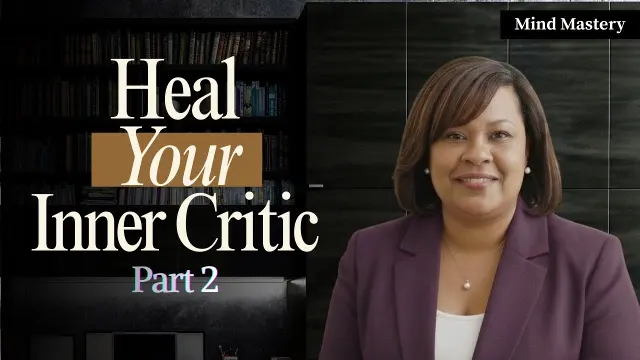 Practical Somatic Tools to Heal Your Inner Critic
 Continuous Dog TV Stream with Anti-Anxiety Music and Fun Videos
Get new #Anxiety Relief ideas by email
Every Thursday: the week's best ideas, with the newest from #Anxiety Relief.
Related tags
Anxiety Relief: Calming Mind and Body
What anxiety relief means
Anxiety relief is the process of easing feelings of worry, tension, fear, or inner restlessness. Everyone feels anxious sometimes, especially when life is uncertain or demanding. In small amounts, anxiety can be a useful signal that helps you pay attention. But when it becomes frequent or overwhelming, it can affect sleep, concentration, appetite, relationships, and your sense of ease.
Relief does not always mean making anxiety disappear completely. More often, it means learning how to soften its intensity, understand what triggers it, and respond in ways that help your mind and body settle. Over time, this can make anxious moments feel more manageable.
Common ways anxiety shows up
Read more
Anxiety can affect both the body and the mind. You might notice:
- racing thoughts or constant “what if” thinking
- tightness in the chest or shoulders
- a fast heartbeat
- trouble sleeping or relaxing
- irritability or feeling on edge
- difficulty focusing
- a strong urge to avoid certain situations
Some people feel anxiety mostly in social settings, while others notice it around work, health, family responsibilities, or major life changes. The experience is personal, and it can change from one period of life to another.
Simple ways to find relief
A calm nervous system often responds well to gentle, repeated practices. You do not need to do everything at once. Start with one or two habits that feel realistic.
- Slow your breathing. Try longer exhalations and an easy pace.
- Ground yourself in the present. Notice five things you can see, hear, or feel.
- Move your body. A walk, stretching, or light movement can help release tension.
- Reduce overload. Step away from noisy spaces, screens, or crowded environments when you can.
- Keep a steady routine. Regular meals, sleep, and daily structure can support stability.
- Write things down. Getting worries out of your head and onto paper can make them feel less heavy.
- Speak kindly to yourself. A harsh inner voice often makes anxiety worse.
If you like, you can also create a small calming ritual: a warm drink, quiet music, a blanket, a few minutes of stillness, or time outdoors. The goal is not perfection, but a steady signal of safety.
What beginners should know
If you are new to managing anxiety, it helps to stay patient. Relief usually grows through consistency rather than intensity. Some days will feel easier than others, and that is normal. Try to notice what helps, what makes things worse, and which situations repeatedly bring up anxiety.
It can also help to separate feelings from facts. Anxiety often speaks in urgent, absolute language, but worry is not always a reliable prediction. When possible, pause and ask yourself what is actually happening right now.
When to seek more support
If anxiety is interfering with your daily life, or if you feel overwhelmed for long periods, it may help to talk with a qualified mental health professional. Reaching out for support is a practical step, not a failure. If you ever feel unsafe or unable to cope, contact local emergency services or a crisis line right away.
Anxiety relief is often a combination of self-care, self-awareness, and support from others. With time, you can build a calmer relationship with your thoughts and a more grounded response to stress.
#Anxiety Relief: frequently asked questions
How do I start easing anxiety if I feel overwhelmed by it?
Start small with one calming habit you can repeat, such as slower breathing, a short walk, or a few minutes of quiet. The goal is not to fix everything at once, but to give your mind and body a steady signal that you are safe enough in the moment.
What simple things do I need for a calming anxiety-relief routine?
You usually need very little: a quiet space, a few minutes of time, and one or two soothing tools such as a blanket, a warm drink, music, journaling, or gentle movement. Many people also find it helpful to reduce noise, screen time, or other sources of overload while they settle down.
Which type of anxiety relief works best for beginners?
The best choice is usually the one you can actually keep doing, not the one that feels most intense or complicated. Gentle breathing, grounding, writing worries down, and small routines often work well because they are easy to repeat and build over time.
How can I care for my anxiety-relief habits so they keep working?
Treat them like regular maintenance rather than a one-time fix. Keep your routine simple, notice what helps most, and return to it often so your body starts to recognize those actions as calming signals.
What are common mistakes people make when trying to feel calmer?
A common mistake is trying to make anxiety disappear immediately, which can add more pressure. Another is relying only on willpower instead of using supportive habits like rest, structure, movement, and kinder self-talk.
Videos come from YouTube and posts from Instagram; titles and summaries are our own. All rights belong to their creators.