 Understanding Your Inner Critic and Childhood Patterns
#Inner Critic
13 ideas
Understanding Your Inner Critic and Childhood Patterns
 How Creators Can Overcome Their Inner Critic
 Fifty Seconds of EFT Tapping to Silence Your Inner Critic
 Seven Questions to Ask Your Inner Critic Using Internal Family Systems
 How to Give Back Your Borrowed Inner Critic
 Quieting Your Inner Critic with Dr. Joe Dispenza
 Working with the Inner Critic Through Jung and Gestalt Therapy
 Practical Somatic Tools to Heal Your Inner Critic
 The Inner Critic as a Nervous System Survival Strategy
 How to Silence Your Inner Critic When You Level Up
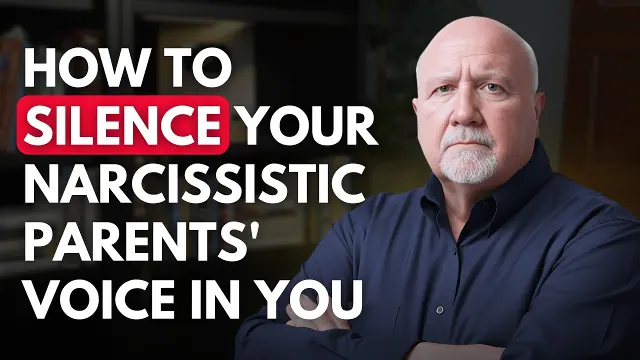 How to Silence the Inner Critic Installed by Narcissistic Parents
 How to Silence Your Loud Inner Critic
 Inner Critic Therapy Session with IFS Founder Dick Schwartz
Get new #Inner Critic ideas by email
Every Thursday: the week's best ideas, with the newest from #Inner Critic.
Related tags
Understanding Your Inner Critic
What the inner critic is
Your inner critic is the part of your inner voice that notices mistakes, judges your choices, and warns you that you are not good enough, clever enough, or prepared enough. Almost everyone has some version of it. In small doses, it can be useful, because it helps you reflect, learn, and avoid careless mistakes. When it becomes harsh or constant, though, it can drain confidence and make even ordinary tasks feel heavy.
The inner critic often sounds like an inner judge, perfectionist, or protector. It may repeat old messages you learned from family, school, culture, or past experiences. Sometimes it tries to keep you safe by pushing you to do better, avoid embarrassment, or stay in control. The problem is that it usually uses fear, shame, or pressure rather than encouragement.
Why it can become so loud
Read more
A strong inner critic often develops when you have been praised mainly for performance, corrected harshly, or made to feel that mistakes are dangerous. It can also grow stronger during stress, uncertainty, comparison, or tiredness. When life feels shaky, self-criticism may seem like a way to stay alert and prepared.
Many people confuse self-criticism with motivation. But being hard on yourself does not usually lead to better work or a calmer mind. It often creates more tension, hesitation, and self-doubt. Learning to notice the difference between helpful self-reflection and harmful self-attack is an important step.
Common forms it takes
Your inner critic may show up as:
- All-or-nothing thinking: “If it is not perfect, it is a failure.”
- Mind reading: “Everyone thinks I am awkward.”
- Catastrophizing: “If I get this wrong, everything will go badly.”
- Comparing: “Other people handle this so much better.”
- Shame-based language: “I always mess things up.”
These thoughts can feel convincing, especially when they repeat often. But a thought is not the same as a fact.
How to work with it
You do not need to silence your inner critic completely. A more realistic goal is to change your relationship with it.
Try these approaches:
- Notice the tone. Ask yourself whether the voice is helpful or hurtful.
- Name it. Some people find it easier to step back when they recognize it as “my critic” rather than “the truth.”
- Slow down. Strong self-criticism often sounds louder when you are tired, rushed, or overwhelmed.
- Use a kinder voice. Speak to yourself as you would speak to someone you care about.
- Check the evidence. Ask what is actually true, what is exaggerated, and what you can learn.
- Focus on next steps. Instead of arguing with every critical thought, gently return to what is practical and doable.
What beginners should remember
Working with an inner critic takes patience. If you have spent years using self-criticism, self-kindness may feel unfamiliar at first. That does not mean you are doing it wrong. The aim is not to become unrealistically positive. It is to be more fair, more grounded, and less cruel toward yourself.
If your inner critic feels overwhelming or deeply tied to pain, talking with a trusted professional can help you explore it more safely. For everyday life, though, even small changes matter. A quieter, kinder inner voice can make room for more confidence, clarity, and ease.
#Inner Critic: frequently asked questions
How do I start working with my inner critic?
Start by simply noticing when the critical voice shows up and what it sounds like, rather than trying to argue with it. Ask yourself whether its tone is helpful or hurtful in that moment, and give the thought a little distance by labeling it as your critic rather than as the truth. From there, small steps like slowing down or checking the evidence behind a thought are enough to begin with.
Do I need anything special to work on my inner critic?
No equipment or particular setting is required — the main tools are honesty and patience with yourself. Because self-criticism often gets louder when you are tired, rushed, or overwhelmed, it helps to choose a calm moment rather than a stressful one. Some people like to keep a notebook nearby to catch recurring phrases their critic uses.
Which approach to the inner critic should I choose?
It depends on what feels comfortable and where your critic seems to come from — some people respond to body-based and calming practices, while others prefer reflection through writing, imagery, or conversation. Whichever you pick, look for something that helps you step back and observe the voice instead of being swallowed by it. If the critic feels overwhelming or tied to old pain, a trusted professional can help you explore it more safely.
What are common mistakes people make with their inner critic?
The biggest one is assuming self-criticism equals motivation, when it usually creates more tension, hesitation, and self-doubt instead. Another is trying to silence the critic completely or force yourself into relentless positivity, which tends to backfire. A fairer goal is changing your relationship with the voice — becoming more grounded and less cruel toward yourself.
How can I care for myself when my inner critic gets loud?
Notice the conditions first: criticism tends to amplify when you are exhausted, under pressure, or comparing yourself to others, so rest and small pauses genuinely help. Speak to yourself the way you would to someone you care about, and instead of disputing every thought, gently return to whatever practical next step is doable. Over time these small shifts make room for more confidence and ease.
Is it possible to make self-kindness feel natural?
Yes, but it usually takes time, especially if you have relied on self-criticism for years — feeling unfamiliar with kindness does not mean you are doing it wrong. The aim is not unrealistic positivity but being more fair and grounded with yourself. With practice, a quieter inner voice becomes easier to reach for.
Videos come from YouTube and posts from Instagram; titles and summaries are our own. All rights belong to their creators.