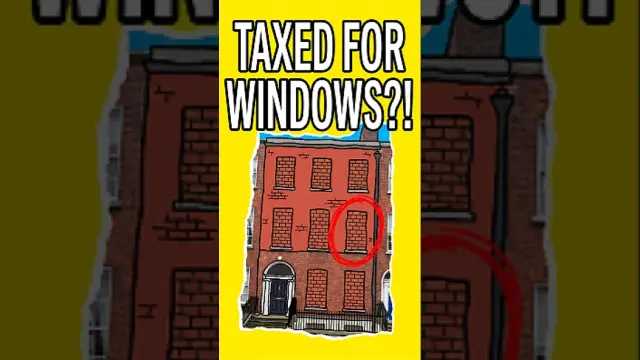
 Why Historic English Houses Have Bricked-Up Windows
#Architecture Secrets
1 ideas
Why Historic English Houses Have Bricked-Up Windows
Get new #Architecture Secrets ideas by email
Every Thursday: the week's best ideas, with the newest from #Architecture Secrets.
Related tags
Architecture Secrets: Hidden Details in Buildings
Architecture is full of small secrets that are easy to miss at first glance. A building can look simple from the outside while quietly revealing its history, its purpose, and the skills of the people who built it. Some of these details are practical, such as blocked-up windows or altered doorways. Others are decorative, like carved motifs, hidden symmetry, or unusual proportions. Together, they make buildings feel layered and human.
What architecture secrets can tell you
Many architectural details were added for reasons that made sense at the time. A wall may show where a house was extended. A changed roofline can reveal a later renovation. Bricked-up openings often point to older layouts, changes in lighting, or shifting rules and taxes. In older buildings, you may also notice traces of former uses, such as loading doors, service entrances, or signs of added privacy.
Some secrets are not hidden at all, but overlooked. The placement of windows, the rhythm of columns, the shape of stairs, and the choice of materials all say something about how a building was meant to be used. Even the way light enters a room can be part of the design.
Read more
Common kinds of architectural details
There are many kinds of features that reward a closer look:
- Structural clues: joints, seams, patched brickwork, and changes in stone or plaster
- Decorative details: moldings, cornices, carvings, ironwork, and painted patterns
- Functional features: vents, shutters, chimneys, transoms, and service entrances
- Symbolic touches: family crests, religious motifs, protective signs, or local emblems
In historic buildings, these details often reflect the materials and methods available at the time. In modern buildings, they may be expressed in simpler forms, but the idea is similar: structure and design working together.
How to read a building
If you want to understand architecture more deeply, start by looking slowly and from a distance, then move closer. Ask yourself what looks original, what looks added, and what seems repeated. A mismatch in brick color, mortar, or window style may suggest change over time. Uneven spacing can show that a building was adapted rather than built all at once.
It helps to look at a building from several angles, not just the front. Side walls, rear elevations, staircases, and rooflines often hold the most revealing clues. Inside, door frames, floor levels, and ceiling shapes can be just as informative.
Tips for beginners
You do not need special training to notice architectural secrets. A few habits make a big difference:
- Observe the whole building before focusing on details
- Compare matching features, like windows or chimneys
- Look for signs of repair, infill, or reused materials
- Notice how practical needs and decorative choices work together
- Try to imagine how the building may have changed over time
Be patient and curious. Architecture often reveals itself gradually, especially in older buildings where generations have left their mark. Once you begin to look for these clues, you will start seeing stories in walls, windows, and roofs everywhere you go.
Videos come from YouTube and posts from Instagram; titles and summaries are our own. All rights belong to their creators.