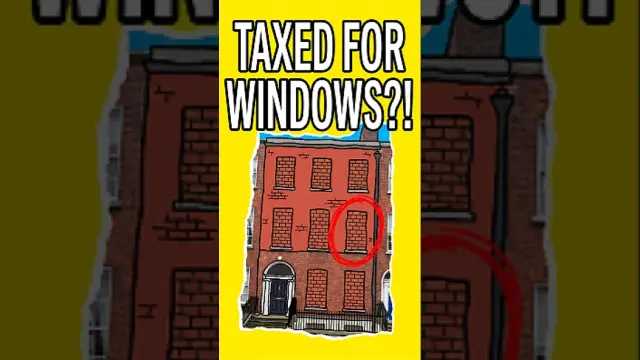
 Why Historic English Houses Have Bricked-Up Windows
#Window Tax
1 ideas
Why Historic English Houses Have Bricked-Up Windows
Get new #Window Tax ideas by email
Every Thursday: the week's best ideas, with the newest from #Window Tax.
Related tags
Window Tax and Bricked-Up Windows
What the window tax was
The window tax was a property tax based partly on the number of windows in a house. It was introduced in England as a way to raise government revenue without directly asking people to declare their income. In practice, it became a tax on light and air as much as on windows themselves, because more windows usually meant a larger, more comfortable home.
The idea spread into everyday life in a very visible way. Many homeowners reduced the number of openings in their buildings, and some existing windows were blocked up to lower the tax bill. That is why you still see historic houses with bricked-up window spaces today.
Why it mattered
Read more
The tax affected both architecture and daily living. In some homes, rooms were left darker and less ventilated in order to save money. Builders and owners sometimes adjusted plans to include fewer windows, especially in town houses and larger properties where the tax could become costly.
Over time, the tax became a symbol of the tension between public revenue and private comfort. It is often remembered as an example of how a tax can unintentionally shape the built environment.
What to look for in historic buildings
If you are looking at older houses, bricked-up windows are one of the clearest signs of the window tax era. You might notice:
- Brick or stone infill that does not quite match the surrounding wall
- Window-shaped outlines where openings once were
- Uneven spacing between windows on the same façade
- Interior rooms that seem darker than the exterior suggests
Not every blocked-up window is connected to the tax, of course. Homes were altered for many reasons, including changing room layouts, weatherproofing, or later renovations. But in historic streets, the pattern is often a clue to a building’s past.
Main types of changes people made
People responded to the tax in a few common ways:
- Leaving a house as it was, and paying the tax
- Reducing the number of windows in a new design
- Bricking up existing openings
- Keeping decorative symmetry on the outside while simplifying the inside
These changes could affect the look of a whole street. In some cases, you can still see buildings where windows were altered but the original rhythm of the façade remains visible.
Why it is still interesting today
The window tax is a useful reminder that buildings are shaped not only by style, but also by rules and practical pressures. When you see a bricked-up window, you are often looking at a trace of an older way of living, when daylight was more precious and taxation could change how a house was designed.
If you are exploring historic architecture, take your time and look closely at walls, brickwork, and window lines. Small irregularities often tell the most interesting stories.
Videos come from YouTube and posts from Instagram; titles and summaries are our own. All rights belong to their creators.