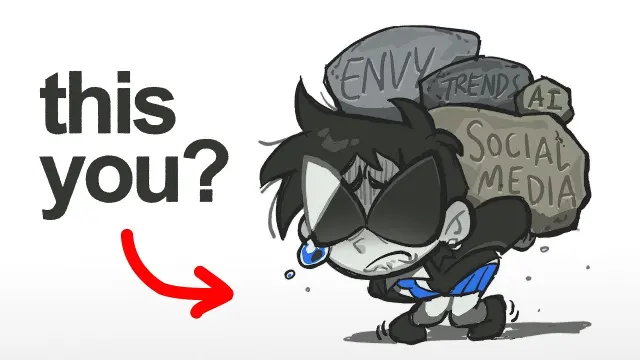
 Ten Tips to Overcome Art Block and Enjoy Drawing Again
#Art Block
1 ideas
Ten Tips to Overcome Art Block and Enjoy Drawing Again
Get new #Art Block ideas by email
Every Thursday: the week's best ideas, with the newest from #Art Block.
Related tags
Understanding Art Block
What art block is
Art block is a period when you want to make art but feel unable to begin, continue, or trust what you make. It can show up as blankness, frustration, self-doubt, boredom, or a strong urge to avoid the work altogether. For some people it lasts only a short while; for others it becomes a recurring part of the creative process.
Art block is not the same for everyone. You may still have ideas but no energy to act on them. You may sit down to draw, paint, or write and feel that everything looks wrong. Or you may simply feel disconnected from the kind of making you usually enjoy. Whatever form it takes, it is a common creative experience, not a sign that you have lost your ability.
Why it happens
Read more
Creative work asks for attention, patience, and a willingness to be imperfect. Art block often appears when those things are hard to access. It may come from pressure to make something “good,” from comparison with other people, from fatigue, or from trying to work in a way that no longer feels natural.
Sometimes the block is practical rather than emotional. A messy workspace, too many unfinished projects, unclear goals, or lack of routine can make starting feel heavier than it should. For beginners, art block can appear simply because learning takes time and progress is uneven. For experienced artists, it can follow long periods of intense effort.
Ways to move through it
The most useful response is usually gentle and small. Instead of waiting for inspiration, try lowering the stakes.
- Make something tiny: a quick sketch, a colour study, a single shape, or a rough page of marks.
- Set a short timer and stop when it ends.
- Copy an object in front of you instead of inventing something from nothing.
- Use materials you already know well before trying something difficult.
- Allow yourself to make “bad” work on purpose so the fear of failure loses some power.
- Work without judging the result until the session is over.
If your block feels mental, changing the type of task can help. A free sketchbook page, an image reference, a walk, or sorting supplies may be enough to restart your attention. If your block feels physical, rest may be the right answer. Sometimes the best way forward is to step back briefly and return with more energy.
What beginners should know
If you are new to art, it helps to expect unevenness. Creative confidence is built through repetition, not through waiting for the perfect idea. You do not need to feel inspired every time you start. You only need a way to begin.
It can also help to keep a simple habit rather than chasing a finished masterpiece. Regular short sessions often feel easier than rare, high-pressure ones. Keep your tools ready, choose simple subjects, and give yourself permission to explore without a clear outcome.
A kinder approach to creativity
Art block often softens when you make room for play again. Curiosity, not perfection, is usually what brings art back to life. Try to notice what makes the process feel heavy, then remove one small obstacle at a time. With patience, the blank space can become part of the creative rhythm instead of something to fear.
#Art Block: frequently asked questions
How do I actually start making art when I feel blocked?
Begin with something deliberately small rather than with a finished piece in mind: a quick sketch, a colour study, a single shape, or a page of loose marks. Copying an object in front of you is often easier than inventing something from nothing, and using familiar materials keeps the entry point low. Give yourself a short, bounded session and stop when it ends, so starting feels manageable instead of heavy.
Does art block mean I have lost my ability or my talent?
No. A block is a common part of the creative process, not evidence that your skills have disappeared, and it can appear as blankness, self-doubt, boredom, or a strong urge to avoid the work. It often arrives when pressure, comparison, fatigue, or an unfamiliar way of working makes attention and patience hard to reach. Treating it as a phase of the rhythm rather than a verdict on your ability makes it much easier to move through.
What supplies or setup do I need to get going again?
Nothing special is required, and buying new things is rarely the fix. A messy or cluttered workspace, too many unfinished projects, and unclear goals tend to make starting feel harder, so tidying and sorting what you already own can itself restart your attention. Keep your tools within reach and stick to materials you know well before trying anything difficult.
How do I stop comparing my work to other people's?
Comparison is a frequent trigger for blocks because it turns making into a performance that has to measure up. One practical counter is to make deliberately rough or unfinished work, so the fear of a poor result loses some of its grip. Delay judging the outcome until the session is over, and focus on the act of making rather than on how it stacks up against anyone else.
What common mistakes make art block last longer?
Waiting for inspiration before you sit down is the most common one, since starting usually comes before the urge, not after it. Another is chasing a finished masterpiece every session, which raises the stakes so high that beginning feels risky. Judging each mark while you work, or pushing through when what you really need is rest, tends to deepen the block rather than clear it.
How can I keep creativity flowing so blocks come back less often?
Build a simple habit of short, regular sessions instead of rare, high-pressure ones, and choose uncomplicated subjects so the barrier to starting stays low. Make room for play and curiosity, and notice what specifically makes the process feel heavy so you can remove obstacles gradually. Creative confidence grows through repetition, not through waiting for the perfect idea.
Videos come from YouTube and posts from Instagram; titles and summaries are our own. All rights belong to their creators.