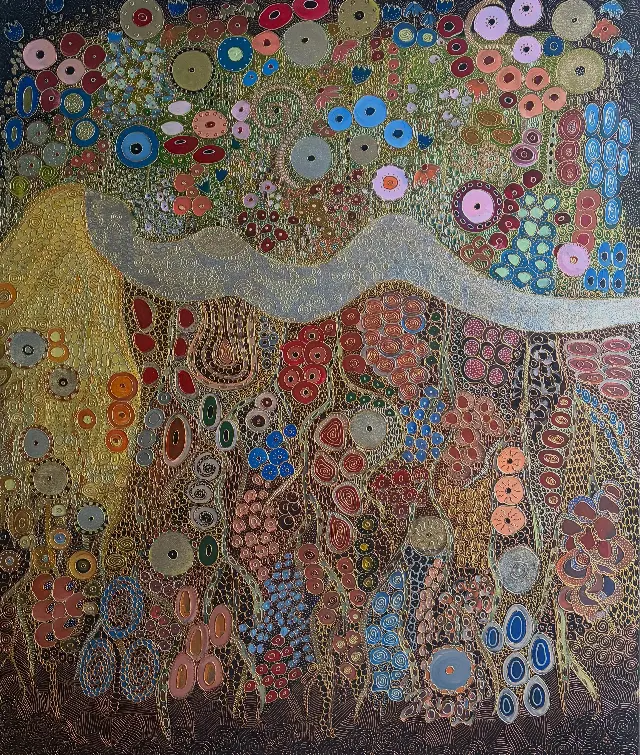
 Floral Art Display Inspired by the Persephone Myth
#Art Inspiration
2 ideas
Floral Art Display Inspired by the Persephone Myth
 Inspiring Sketchbook Layouts and Creative Drawing Concepts
Get new #Art Inspiration ideas by email
Every Thursday: the week's best ideas, with the newest from #Art Inspiration.
Related tags
Art Inspiration: Finding Ideas and Creative Direction
What art inspiration means
Art inspiration is the spark that helps you begin, continue, or deepen a creative idea. It can come from many places: nature, people, architecture, stories, memories, textures, colors, music, or other artworks. For some people, inspiration arrives as a clear image. For others, it begins as a feeling, a question, or a small visual detail that grows into a bigger piece.
At its heart, art inspiration is not about copying. It is about noticing what moves you and turning that response into something personal. It helps you choose subjects, color palettes, materials, and moods, whether you paint, draw, collage, sculpt, photograph, or create mixed media work.
Where artists often find ideas
Read more
You do not need a dramatic source to make meaningful art. Everyday life can be a rich starting point. A shadow on a wall, the shape of a leaf, a folded fabric, or the expression on a face can all become prompts.
Common sources of inspiration include:
- Nature: plants, skies, stones, water, animals, and seasonal changes
- Travel and place: buildings, streets, landscapes, patterns, and local objects
- Personal memory: family, home, childhood, and important moments
- Emotions: calm, joy, longing, curiosity, or tension
- Other art forms: music, literature, dance, film, and design
- Materials themselves: the texture of paper, the flow of paint, or the marks made by a tool
Main ways inspiration becomes art
Inspiration can lead to many kinds of work. Some artists create realistic studies, while others use the same source in a more abstract way. You may prefer:
- Observational drawing, where you study what is in front of you
- Imaginative interpretation, where you change forms, colors, or scale
- Abstract work, where shapes and marks express a feeling rather than a literal scene
- Mixed media, where different materials are layered for depth and texture
- Sketchbook exploration, where you test ideas without pressure to finish
What beginners should know
If you are new to making art, it helps to think of inspiration as a habit rather than a rare event. Keep a sketchbook or a simple notes file for visual ideas, phrases, color combinations, and small studies. When you feel stuck, return to simple subjects and short sessions. Even a few quick sketches can help you see more clearly.
Try not to wait for the perfect idea. Often, making a small start is what opens the rest of the process. Copying a reference for practice is useful, but always aim to add your own choices in composition, color, or emphasis.
Practical tips for staying inspired
- Notice what catches your eye during the day, then record it quickly
- Collect references from many places, not just one style
- Limit your materials sometimes, so you can focus on ideas rather than options
- Work in small experiments before starting a larger piece
- Revisit older sketches; unfinished ideas often contain useful energy
- Make room for rest, because inspiration often needs quiet as much as effort
Art inspiration is most useful when it becomes a conversation between what you see and what you feel. The more you pay attention, the more often ideas begin to appear.
#Art Inspiration: frequently asked questions
How do I start finding art inspiration if I don't feel creative?
Treat inspiration as a habit rather than something that strikes out of nowhere. Pay attention to ordinary things during your day — a shadow, a folded fabric, the shape of a plant — and jot or sketch them down quickly before the feeling fades. Starting small and often is what gradually makes ideas easier to notice.
What do I actually need to begin making art from an idea?
You need very little beyond something to make marks with and something to make them on, plus a place to keep your references and notes. A sketchbook or a simple file of images, phrases and color combinations is enough to hold ideas until you are ready to use them. Limiting your materials at the start can actually help, because you spend your energy on the idea instead of on choosing between options.
Which approach should I choose — realistic, abstract, or mixed media?
It depends on what you want the piece to say: observational drawing studies what is in front of you, imaginative interpretation changes forms and colors, and abstract work expresses a feeling rather than a scene. Many people try a few small experiments in a sketchbook before committing to a larger piece. Choose the approach that lets you respond to your source most directly, and let the subject guide you.
How do I keep an idea from turning into a copy of someone else's work?
Use references as a starting point for your own decisions rather than as something to reproduce exactly. Change the composition, shift the color palette, adjust the scale, or emphasize a different detail so the piece reflects what caught your eye. Adding those personal choices is what makes the work yours.
What are common mistakes beginners make with inspiration?
The most common is waiting for a perfect idea before beginning, which usually stalls the whole process. Another is gathering references from a single style or source, which narrows the range of what you can make. Trying to do too much at once, or skipping rest, also wears down the noticing that inspiration depends on.
Videos come from YouTube and posts from Instagram; titles and summaries are our own. All rights belong to their creators.