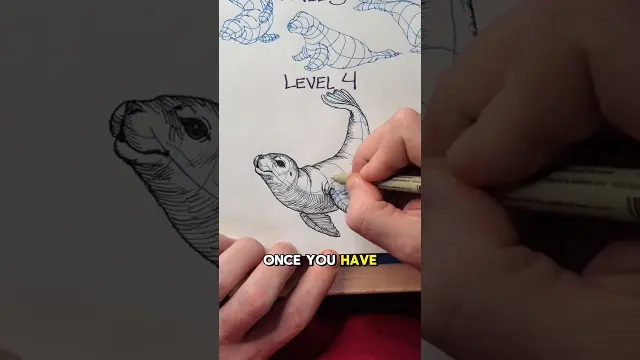
 Four Levels of 3D Drawing Wireframe Exercises
#Art Skills
3 ideas
Four Levels of 3D Drawing Wireframe Exercises
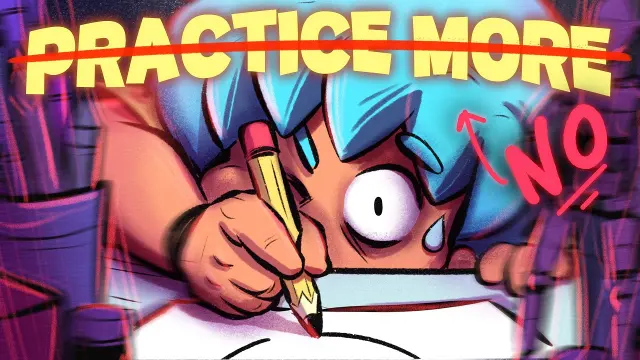 Effective Methods to Actually Improve Your Drawing Skills
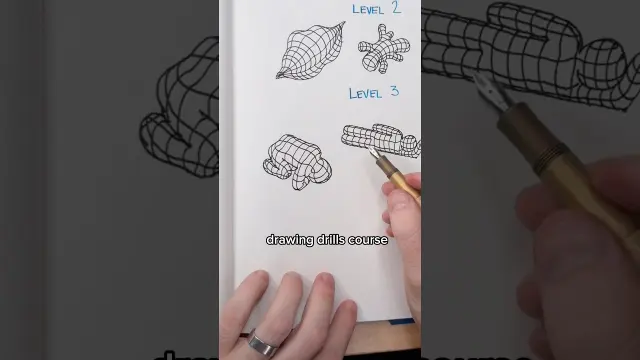 Drawing drills to train your eye in three dimensions
Get new #Art Skills ideas by email
Every Thursday: the week's best ideas, with the newest from #Art Skills.
Related tags
Art Skills: Building Confidence in Drawing and Making
What art skills are
Art skills are the learned abilities you use to make visual work with control and intention. They include drawing, painting, shading, color use, composition, proportion, perspective, and the ability to observe shapes, light, and texture. While some people seem naturally gifted, most strong art skills are built through practice, attention, and patience.
Where they come from
Art skills have developed across many traditions and cultures, from cave paintings and classical drawing to craft, illustration, and contemporary mixed media. The tools may change, but the foundation is the same: learning to see carefully and translating what you see, imagine, or feel into a visual form. Whether you work in pencil, paint, ink, collage, or digital tools, the same basic principles still apply.
Read more
The main skills to know
Some art skills are useful in almost every style:
- Observation: noticing edges, values, proportions, and small details
- Line control: drawing clean, expressive, or precise marks
- Shape and form: understanding flat shapes and three-dimensional objects
- Value: using light and dark to create depth
- Color: choosing and mixing colors with purpose
- Composition: arranging elements so the whole image feels balanced
- Perspective: showing space and distance convincingly
- Texture: suggesting how surfaces look and feel
You do not need to master everything at once. It is usually better to focus on one or two skills at a time and build from there.
How beginners can improve
If you are just starting out, keep your practice simple and regular. Short, focused exercises often help more than occasional long sessions. Try drawing everyday objects, copying basic shapes, or sketching from life. Look closely at what is actually in front of you instead of what you think you know.
Helpful habits include:
- Working from simple to complex
- Practicing light sketching before adding detail
- Comparing sizes and angles instead of guessing
- Studying shadows as well as outlines
- Using reference images and real objects together
- Leaving room for mistakes and revision
Techniques that build skill
Different techniques train different parts of your eye and hand. Gesture drawing can help you capture movement quickly. Still life studies improve observation and proportion. Shading exercises teach you how light behaves. Color studies help you understand harmony and contrast. Copying masterworks can also be useful when you study why they work, not just how they look.
What matters most
Good art skills grow through repetition, reflection, and curiosity. Try to notice what feels difficult, then practice that skill in a simple way. Keep old sketches so you can see your progress over time. Most of all, stay patient with yourself. Art improves gradually, and steady practice matters more than talent alone.
#Art Skills: frequently asked questions
How do I start building art skills if I’m a beginner?
Start with simple, short practice sessions and focus on basic subjects like everyday objects, shapes, and quick sketches from life. It helps to work slowly at first, look closely at what is really in front of you, and add detail only after the main forms feel right.
What art skills should I learn first?
The most useful starting points are observation, line control, shape and form, value, and composition. These core skills support almost every style of art, so improving them early makes later techniques easier to learn.
How do I choose which art style or technique to practice?
Choose the technique that matches what you want to improve most, such as gesture drawing for movement, still life for proportion, shading for light and depth, or color studies for harmony and contrast. You do not need to master everything at once, and it is usually better to focus on one or two areas first.
What helps most when I want to improve my drawing skills faster?
Regular practice with clear goals usually helps more than occasional long sessions. Use simple exercises, compare angles and sizes instead of guessing, and review older sketches so you can notice progress and recurring mistakes.
What are common mistakes people make when learning art skills?
A common mistake is rushing into details before the basic shapes, proportions, and composition are settled. Another is drawing from memory too soon instead of studying real objects, shadows, and references carefully.
Videos come from YouTube and posts from Instagram; titles and summaries are our own. All rights belong to their creators.