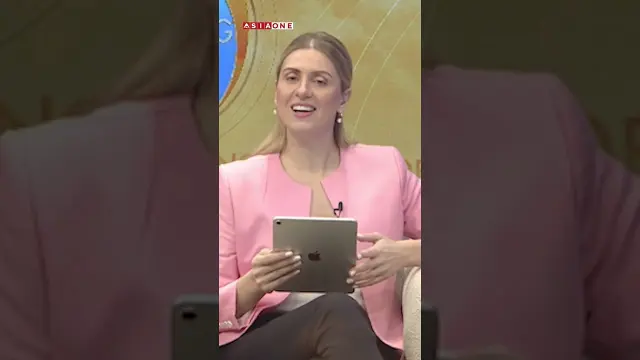
 Karachi World Culture Festival featured on Morning Asia
#Arts Council
1 ideas
Karachi World Culture Festival featured on Morning Asia
Get new #Arts Council ideas by email
Every Thursday: the week's best ideas, with the newest from #Arts Council.
Related tags
What Is an Arts Council? A Guide to Public Arts Funding
An arts council is a body that distributes public money to artists and cultural organisations. Some are national agencies funded by government, others are regional or municipal, and a few are independent foundations with a public remit. What they share is a purpose: to make sure creative work can happen even when the market alone would not pay for it. Behind every theatre season, small press, community choir or gallery programme you enjoy, there is often a quiet grant application that made it possible.
Where the idea comes from
Public patronage of the arts is old, but the arts council as we know it took shape in the twentieth century, most notably in Britain, where the model of an arm's-length body was established after the Second World War and later copied widely. The principle is simple and worth remembering: decisions about art should be made at a distance from day-to-day politics, by people with knowledge of the field. Many countries now run some version of this, and the structure can differ sharply from one place to another.
What they actually do
Read more
- Award grants to individual artists and to organisations
- Fund projects, touring, residencies, festivals and audience development
- Support research, training and professional development
- Advise government and advocate for culture in public policy
- Manage arts centres and programmes in some regions
The main kinds
National councils tend to handle larger budgets and strategic programmes. Regional and local councils usually fund smaller projects, community work and emerging artists, and they are often the more approachable first point of contact. Independent funding bodies and foundations sit alongside them, sometimes with narrower interests such as new writing, craft or participatory work.
What beginners should know
Read the guidelines carefully, all of them. Most rejections come from applications that simply did not answer the question asked. Be clear about what you want to make, who it is for, when it will happen and what it will cost. A budget should add up and should be honest — funders can tell when a figure has been invented.
Make the case for the work itself before you make the case for its benefits. Funders are usually interested in both, but enthusiasm for the art is what makes an application memorable.
Practical tips
- Give yourself more time than you think, ideally several weeks.
- Ask whether the funder offers advice before you apply; many do.
- Show that you have thought about how the project will be delivered, not only what it will look like.
- Be realistic about your capacity.
- If you are turned down, ask for feedback and use it.
Applying is a skill, and like any skill it improves with practice. Start small, learn the language of the guidelines, and keep going.
#Arts Council: frequently asked questions
What exactly is an arts council, and what does it do?
It is an organisation that gives public or charitable money to artists and cultural groups so that creative work can happen even when ticket sales or the market alone would not cover it. The money typically goes to projects, touring, residencies, festivals, training and audience development, and many councils also advise government on cultural policy. Some are national agencies, others work regionally or locally, and a few are independent foundations with a public remit.
How do I start applying for funding as a beginner?
Start with the guidelines and read every part of them before you write anything, because most failed applications simply do not answer the question that was asked. Then set out plainly what you want to make, who it is for, when it will happen and what it will cost, with a budget that adds up honestly. Begin with a small grant from a local or regional body rather than aiming straight at the largest scheme.
Which kind of arts council should I approach first?
Regional and local councils are usually the more approachable first contact, since they tend to fund smaller projects, community work and artists who are still building a track record. National councils generally run bigger budgets and strategic programmes, so they suit larger or more established proposals. Independent foundations sit alongside both and can be a good match when your work fits their narrower interests.
What makes an application stand out?
Make the case for the work itself before you make the case for its benefits, since genuine enthusiasm for the art is what funders remember. Show that you have thought through how the project will actually be delivered, not just how it will look, and be realistic about how much you can take on. Contact the funder beforehand if they offer advice, and give yourself several weeks rather than a rushed weekend.
What are the most common mistakes people make?
The biggest one is not following the guidelines closely and leaving questions unanswered, which is where most rejections begin. Inventing or rounding budget figures is another, because experienced assessors can tell when a number has been made up. Being vague about timing, audience or delivery also weakens an otherwise good idea.
What should I do if my application is rejected?
Ask for feedback and treat it as part of the process rather than a verdict on the work; most funders will tell you what was missing. Applying is a skill, and it improves the way any skill does, through repetition and small refinements. Rework the proposal, start smaller if you need to, and apply again to the same body or a different one.
Videos come from YouTube and posts from Instagram; titles and summaries are our own. All rights belong to their creators.