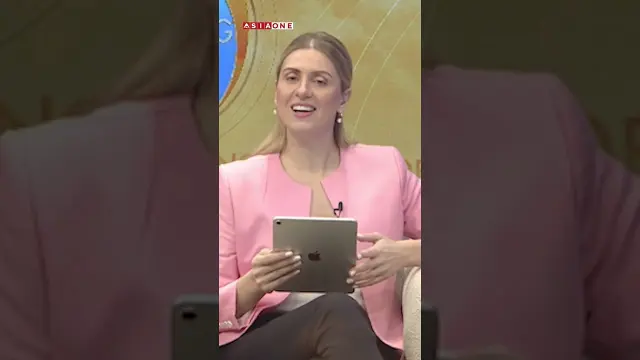
 Karachi World Culture Festival featured on Morning Asia
#Global Artists
1 ideas
Karachi World Culture Festival featured on Morning Asia
Get new #Global Artists ideas by email
Every Thursday: the week's best ideas, with the newest from #Global Artists.
Related tags
Global Artists: A Guide to Art Across Cultures
"Global artists" is a broad, generous label. It gathers makers whose work sits outside the few cities that art history long treated as the centre of everything, and it also covers artists whose practice deliberately moves between countries, traditions and languages. The phrase is less a style than an invitation: a reminder that serious, skilled, inventive work is being made nearly everywhere, and that most of it is invisible in the places where art is usually talked about.
What the term covers
Global artists are not one group, and treating them as one is the first mistake to avoid. Under the label you will find:
- Folk and traditional makers working inside inherited forms, such as weavers, potters, carvers and embroiderers.
- Contemporary artists trained in academies who show in galleries and biennials while drawing on local materials and references.
- Artists working in diaspora, whose practice carries two or more places at once and often asks what belonging means.
- Community and collaborative groups who make work with a village, a neighbourhood or a trade rather than as lone authors.
Read more
Where it comes from
The idea grew out of a correction. Museums, fairs and festivals slowly widened what they displayed, and artists and writers from formerly colonised regions insisted that their work be seen as art rather than as artefact or souvenir. What began as a debate about inclusion became an ordinary way of describing a genuinely worldwide field.
Techniques and materials
The range is enormous: ceramics, textile dyeing and weaving, woodcarving, metalwork, beadwork, calligraphy, painting, sculpture, photography, film and performance. Many traditions are place-bound, using local clay, fibre, pigment or stone, and the material itself carries meaning. Others are deliberately hybrid, mixing inherited craft with digital tools or industrial processes.
What beginners should know
Context is everything. An object that reads as decoration to an outsider may be ceremonial, protective, or made for a specific life event, and understanding that changes how you see it.
Living traditions are not frozen. Craft forms change with their makers, absorb new materials and answer present-day questions; treating them as relics of an untouched past flatters nobody.
Names matter. Credit the maker, the workshop or the community, and be cautious with words like "tribal" or "ethnic" used as a description of style.
Practical tips
Visit local cultural festivals, craft fairs and museum collections with an eye for who made what. Learn a few terms for materials and techniques, since they open doors in conversation. Ask before photographing people or ceremonial objects. When buying, prefer makers, cooperatives and shops that can tell you where a piece came from. Follow artists rather than hashtags alone, and let one discovery lead you to the next: a textile to the region that made it, a photographer to the history they are answering.
#Global Artists: frequently asked questions
What does "global artists" actually mean, and is it a style?
It is an umbrella term rather than a movement: it covers traditional makers, academy-trained contemporaries, artists living between countries, and collaborative community groups alike. What they share is not a look but a fact, that ambitious and skilled work is made far beyond the places usually treated as the art world's centre. Treat the label as a starting point for looking, not as a genre you can recognise on sight.
How do I start exploring global artists without feeling like an outsider?
Begin with what already interests you and follow it outward: if you love textiles, trace where a weaving technique comes from and who practises it today. Local craft fairs, cultural festivals and museum collections with good labelling are easier entry points than trying to survey the whole field at once. Learn a handful of material and technique words early, because they turn a polite conversation into a real one.
What should I think about when choosing a piece to bring home?
Ask what the object is for before deciding it is decoration, since a piece may be ceremonial, protective or made for a particular life event. Prefer buying from makers, cooperatives or shops that can tell you plainly where a piece came from and who made it. Let your taste lead, but let the answer about origin decide whether you feel good owning it.
How do I care for handmade crafts like textiles, ceramics or woodwork?
Care depends on the material and the making, so ask the maker or seller for guidance and follow it rather than applying generic rules. Natural dyes, unglazed clay and untreated wood tend to be less forgiving of harsh cleaning, strong sun and damp than factory finishes. Keeping a note of what you were told when you bought the piece saves a lot of regret later.
Are there good occasions or gift situations for this kind of work?
Handmade pieces suit weddings, housewarmings and milestone gifts because they carry a story and a place with them. A textile, a serving vessel or a small carved object often means more than something mass-produced, especially when you can pass on what you learned about its origin. If the recipient has a connection to the region or craft, say so when you give it.
What mistakes do people make with art from other regions?
Treating a living tradition as a frozen relic is the most common one, since these forms keep changing with the people who make them. Using vague labels like "tribal" or "ethnic" as style descriptors flattens very different practices and often offends. Leaving out the maker, workshop or community when you talk about or share the work is the quiet version of the same mistake.
Videos come from YouTube and posts from Instagram; titles and summaries are our own. All rights belong to their creators.