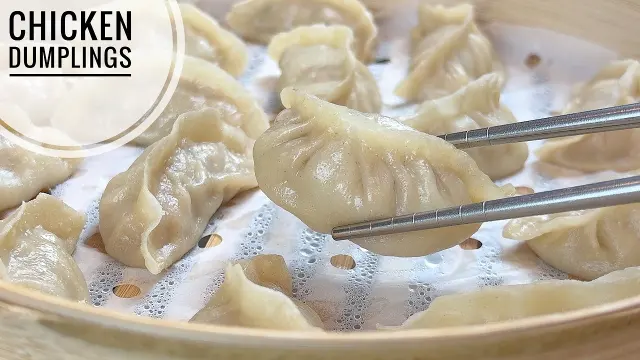
 Steamed Chicken Dumpling Recipe Made From Scratch, Wrappers Included
#Asian Cooking
2 ideas
Steamed Chicken Dumpling Recipe Made From Scratch, Wrappers Included
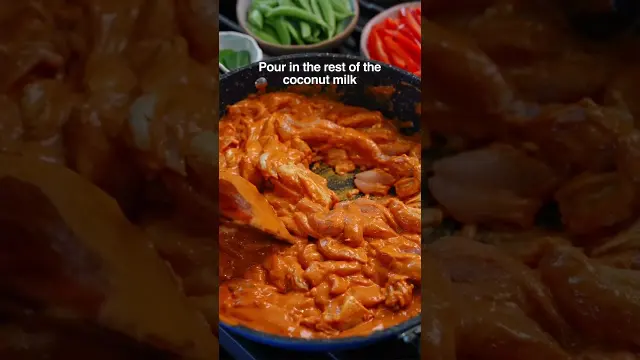 Easy Thai Red Chicken Curry Served With Coconut Rice
Get new #Asian Cooking ideas by email
Every Thursday: the week's best ideas, with the newest from #Asian Cooking.
Related tags
Asian Cooking: A Beginner's Guide to Techniques and Flavours
Asian cooking is not one cuisine but a family of them, stretching from the ginger and soy flavours of China, Japan and Korea through the coconut, chilli and lime of Southeast Asia to the spices and lentils of India and the fragrant herbs of Vietnam and Thailand. What ties them together is a shared approach: a handful of strong seasonings, fast cooking over high heat, and a balance of tastes rather than a single dominant flavour. Understanding that balance is the most useful thing a beginner can learn.
The idea of balance
Many Asian kitchens aim for a harmony of sweet, sour, salty, bitter and savoury. A Thai curry is tempered with palm sugar and lime; a Chinese braise is lifted with vinegar; a Japanese broth is built on umami from seaweed and dried fish. When a dish tastes flat, the answer is usually a small adjustment in one of these directions rather than more of everything.
The pantry
You do not need an enormous cupboard. Soy sauce, rice vinegar, sesame oil, garlic, ginger, spring onions and a neutral cooking oil will take you a long way. Add fish sauce and lime for Southeast Asian dishes, coconut milk for curries, and a jar of chilli paste or dried chillies for heat. Rice, noodles and a few dried goods such as lentils or mushrooms complete the basics. Buy small quantities at first and replace what you actually use.
Techniques worth practising
- Mise en place. Stir-frying moves quickly, so chop, measure and arrange everything before the pan gets hot.
- High heat, small batches. A crowded pan steams instead of searing. Cook in batches and combine at the end.
- Layering aromatics. Add garlic, ginger and chilli early in oil, but gently, so they perfume the dish without scorching.
- Cooking rice well. Rinse it until the water runs clear, use the right ratio of water to grain, and let it rest covered off the heat.
- Tasting as you go. Season in stages, not all at once at the end.
Read more
Regional starting points
Chinese cooking offers stir-fries, steaming and braising; Japanese cooking rewards simplicity and good ingredients; Korean cooking leans on fermentation and grilling; Thai and Vietnamese cooking balance fresh herbs with fish sauce and lime; Indian cooking builds deep flavour from toasted spices, onions and slow cooking. Pick one tradition and cook three dishes from it before moving on. Depth teaches more than breadth.
Practical advice
Read a recipe fully before you begin. Expect that home equipment runs cooler than restaurant burners, so give food a little more time. Keep a note of what you changed. And taste with the finished dish in mind: a curry eaten with plain rice needs more seasoning than one eaten alone.
Above all, cook often. Asian cooking is learned through the hands, and the small corrections you make each time are what turn a recipe into something you can call your own.
#Asian Cooking: frequently asked questions
How do I get started with Asian cooking as a complete beginner?
Start with one tradition rather than trying to learn everything at once, and cook a few dishes from it until the techniques feel familiar. Begin with simple stir-fries, steamed dishes or curries that use only a handful of seasonings, and build your pantry around what you actually cook. Depth in one cuisine teaches you far more than skimming across many.
What ingredients should I keep in my kitchen for Asian cooking?
A modest set covers most dishes: soy sauce, rice vinegar, sesame oil, garlic, ginger, spring onions, a neutral cooking oil, plus rice and noodles. Add fish sauce and lime for Southeast Asian food, coconut milk for curries, and chilli paste or dried chillies for heat. Buy small amounts at first and restock only what you find yourself reaching for.
Which Asian cuisine should I learn first?
There is no single right answer — pick the one whose food you most want to eat, since enthusiasm keeps you cooking. Chinese cooking is a good general foundation because it covers stir-frying, steaming and braising, while Japanese cooking suits anyone who prefers minimal seasoning and letting ingredients speak. Once one tradition feels comfortable, the techniques carry over to the others.
Why does my stir-fry come out soggy instead of crisp?
The usual culprit is overcrowding the pan: too much food at once releases moisture and steams everything rather than browning it. Cook in smaller batches over high heat and combine everything at the end, and make sure your ingredients are dry before they go in. Home hobs also run cooler than restaurant burners, so give the pan time to recover between batches.
How do I balance the flavours in a dish that tastes flat?
Asian cooking is built on harmony between sweet, sour, salty, bitter and savoury, so flatness usually means one of those is missing rather than needing more of everything. Try a small squeeze of lime or splash of vinegar for brightness, a pinch of sugar to round things out, or a little more salt or soy. Add in tiny amounts and taste after each adjustment, seasoning in stages rather than all at the end.
What should I cook if I want an impressive but manageable meal for guests?
Dumplings made from scratch, wrappers included, are a good choice — they can be assembled ahead and steamed just before eating, and they feel generous without demanding last-minute work. A Thai-style red curry with coconut rice is another reliable option, since it comes together in one pot and the rice cooks alongside it. Either way, read the recipe through first and prepare your ingredients before you start cooking.
Videos come from YouTube and posts from Instagram; titles and summaries are our own. All rights belong to their creators.