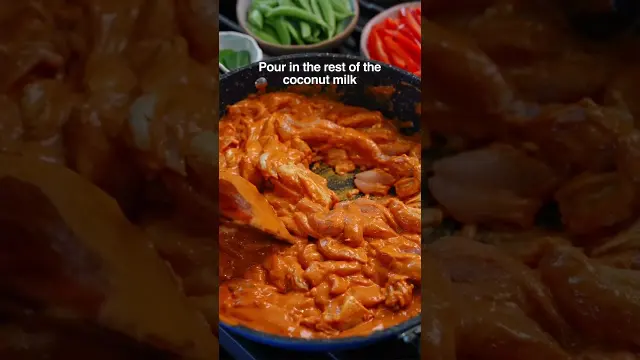
 Easy Thai Red Chicken Curry Served With Coconut Rice
#Coconut Rice
1 ideas
Easy Thai Red Chicken Curry Served With Coconut Rice
Get new #Coconut Rice ideas by email
Every Thursday: the week's best ideas, with the newest from #Coconut Rice.
Related tags
Coconut Rice: A Fragrant, Creamy Guide
Coconut rice is a family of dishes rather than a single recipe. In its most common form, rice is cooked in coconut milk instead of, or alongside, water, so the grains take on a soft sweetness and a fragrance that lingers in the kitchen. In other versions, freshly grated coconut is toasted or folded through plain rice at the end. Either way the idea is the same: coconut is treated as a partner to rice, not a decoration.
A dish with many homes
Recipes for rice cooked with coconut appear across a wide arc of the world, and no single country can claim it. In Thailand, coconut rice is the natural companion to curries and grilled dishes, often scented with pandan leaf. In Malaysia, nasi lemak cooks the rice in coconut milk with pandan and serves it with sambal, fried anchovies, peanuts and egg. Indonesia has its own coconut-scented rice traditions, and in South India and Sri Lanka coconut milk rice accompanies curries and chutneys. Along the Caribbean coast and in parts of Latin America, rice is cooked with coconut milk and sugar, sometimes with raisins, alongside fish and stews. East Africa has its own versions. The technique is simple enough to travel, which is exactly why it did.
Two approaches
Read more
The first is the simmered method: rice is rinsed, then cooked in coconut milk diluted with water, usually with a pinch of salt. The grains absorb the fat and turn glossy and slightly sweet, with a texture between fluffy and creamy. The second is the tossed method: grated coconut is toasted until fragrant, then stirred through rice that has already been cooked plainly, which keeps the grains separate and gives a nutty crunch. Some kitchens combine both, cooking the rice in coconut milk and finishing with toasted coconut on top.
What beginners should know
Rinse the rice until the water runs mostly clear; surface starch makes the result gluey. Use full coconut milk rather than a light version, since the fat is what carries the flavour, and account for it when measuring liquid — coconut milk is richer than water, so you generally need a little less total liquid than for plain rice. Add salt, because coconut alone tastes flat. Cook gently, keep the lid on, and resist stirring, which breaks the grains. Let the rice rest off the heat for a few minutes before fluffing it. If you are toasting grated coconut, do it in a dry pan over low heat and stay close: it goes from pale to bitter very quickly.
Serving it
Coconut rice works with anything spicy, sour or salty, which is why it turns up beside curries, grilled fish, fried chicken, pickles and sambal. It also stands on its own with a spoonful of something sharp. Cook a little more than you think you need — it reheats well, and the fragrance is arguably better the next day.
#Coconut Rice: frequently asked questions
What exactly is coconut rice?
Coconut rice is really a family of dishes rather than one fixed recipe, and the common thread is that coconut is treated as a partner to the rice instead of a garnish. Most often the rice is simmered in coconut milk, sometimes cut with water, so the grains turn glossy, faintly sweet and fragrant. In other kitchens plainly cooked rice is finished with toasted grated coconut stirred through at the end.
What do I need to make coconut rice for the first time?
You need rice, coconut milk, a little salt and a pot with a tight lid; a pandan leaf is a lovely addition if you can find one but not essential. Beyond that, nothing special is required, which is part of why the dish travels so well across so many cuisines. Keep the method gentle and simple and the ingredients will do the work.
Should I use full-fat or light coconut milk?
Go for full coconut milk, because the fat is what carries the flavour and gives the rice its richness. Light versions thin the taste considerably and can leave the dish bland. Bear in mind that coconut milk is heavier than water, so you generally need slightly less total liquid than you would for plain rice.
How do I keep the grains separate instead of turning gluey?
Rinse the rice until the water runs mostly clear, since the surface starch is what makes it sticky. Cook it gently with the lid on and resist the urge to stir, which breaks the grains apart. When it is done, let it sit off the heat for a few minutes, then fluff it with a fork rather than a spoon.
What should I serve with coconut rice?
It pairs naturally with anything spicy, sour or salty, which is why it sits so comfortably beside curries, grilled fish, fried chicken, pickles and sambal. It also holds its own with just a spoonful of something sharp on top. If you are cooking for a crowd, make a little more than you think you need, since it reheats beautifully.
What mistakes should a beginner watch out for?
The usual ones are skipping the rinse, using too much liquid, and stirring during cooking, all of which cost you the separate, fluffy texture. If you are toasting grated coconut, use a dry pan over low heat and stay with it, because it turns from pale and fragrant to bitter in moments. Under-salting is another quiet problem, as coconut alone tastes flat.
Videos come from YouTube and posts from Instagram; titles and summaries are our own. All rights belong to their creators.