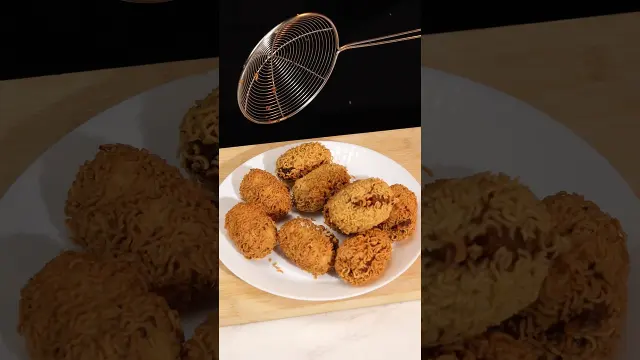
 Cheesy Maggi Potato Snack Prepared with ASMR Sounds
#ASMR Cooking
18 ideas
Cheesy Maggi Potato Snack Prepared with ASMR Sounds
 Whimsical Breakfasts for a Week of ASMR Cooking
 Juicy Honey-Marinated Steak Cooked Over Fire
 Roasted Garlic Cheesesteak Wrap Recipe
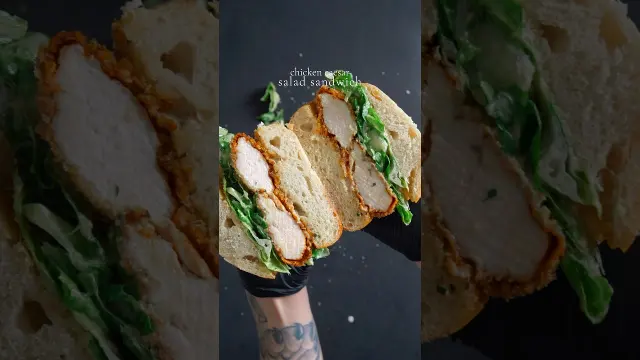 Crispy Chicken Caesar Salad Sandwich Recipe
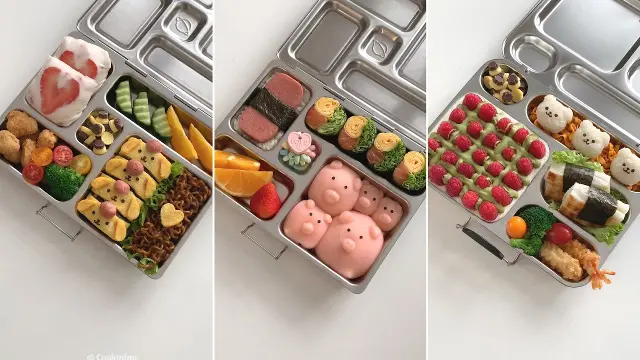 Cute and Creative Bento Box Meal Collection
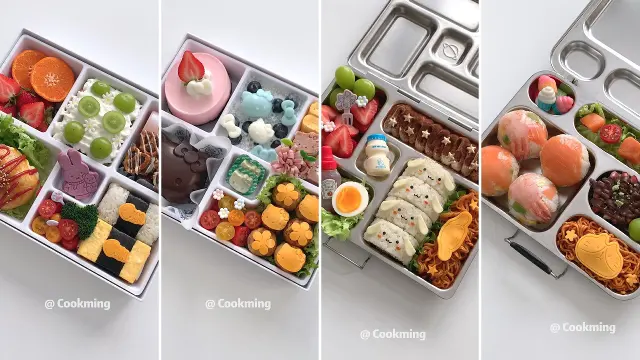 Creative Bento Box Meal Ideas and Kitchen ASMR
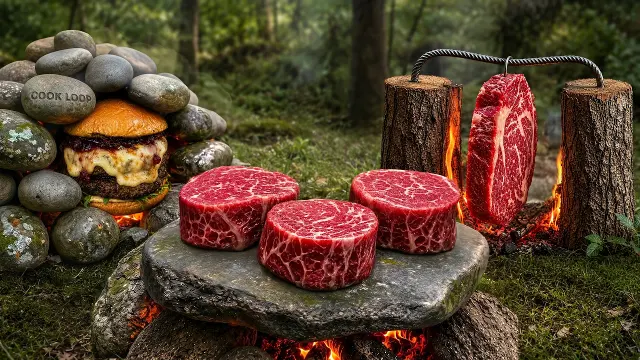 Epic Wilderness Food Compilation and Campfire Cooking
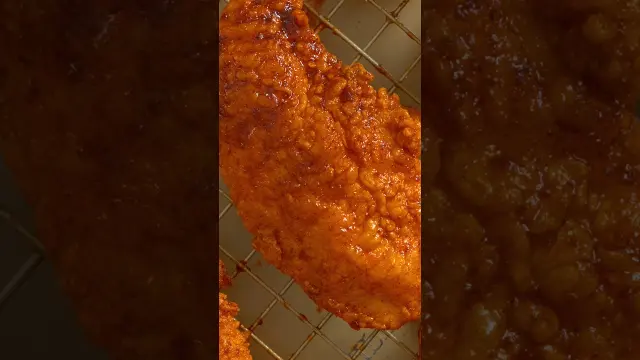 Nashville Hot Chicken Tenders Cooking Guide
 Garlic Butter Steaks and Cheesy Bread on Hot Stone
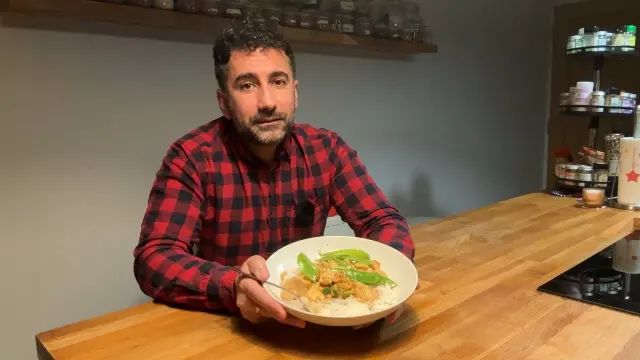 Sticky Orange Chicken with Rice ASMR Cooking
 Instant Roti Manchurian ASMR Cooking Demonstration
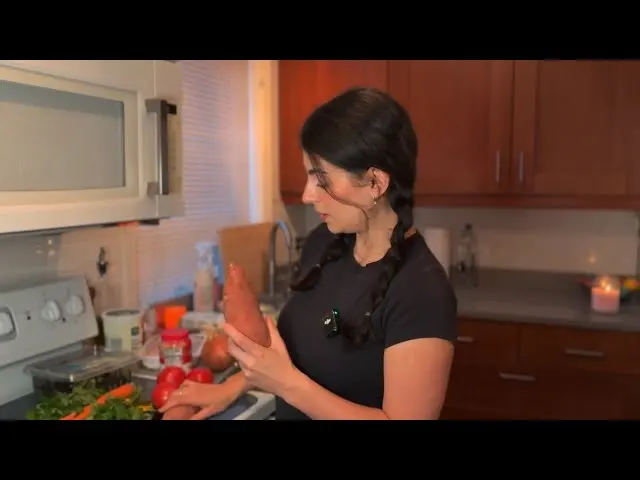 Healthy and Delicious Weekly Meal Prep with ASMR
 Creamy Garlic and Chili Cheddar Ramen Recipe
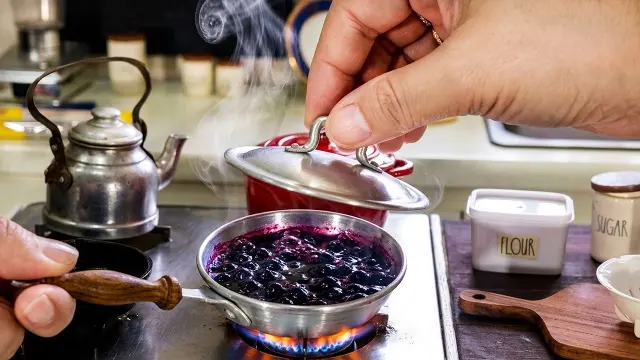 ASMR Miniature Dessert Baking Marathon in a Micro Kitchen
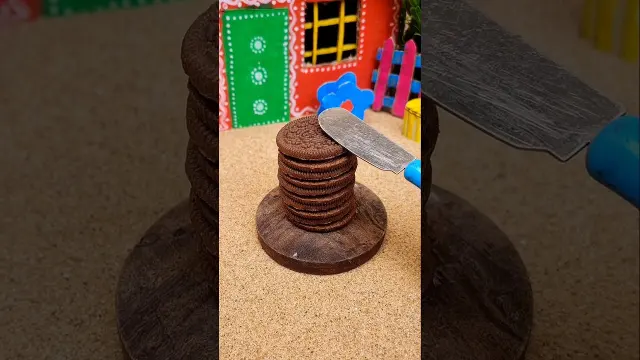 No-Bake Miniature Oreo Biscuit Cake in a Tiny Mold
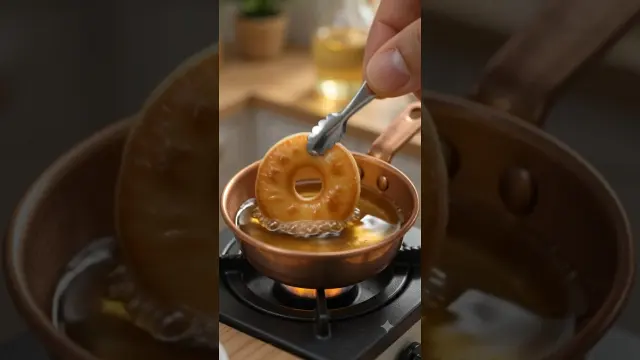 Making Adorable Mini Donuts in a Tiny Kitchen Setup
 DIY Tiny Kitchen Cookies and Cream Drip Cake Recipe
Get new #ASMR Cooking ideas by email
Every Thursday: the week's best ideas, with the newest from #ASMR Cooking.
Related tags
ASMR Cooking: A Gentle Guide to Food Sounds
ASMR cooking is a style of food content that focuses on sound, movement, and close-up detail. ASMR stands for autonomous sensory meridian response, a term used for the tingling, relaxing sensation some people feel when they hear certain soft sounds or watch calm, repetitive actions. In cooking, that can include the crack of an egg, the sizzle of a pan, the scrape of a spoon, or the quiet rhythm of chopping and stirring.
What ASMR cooking is
Unlike a fast-paced recipe video, ASMR cooking is usually filmed to feel soothing and immersive. The camera often stays close to the ingredients and hands, while speech may be minimal or absent. The goal is not only to show how food is made, but to create a peaceful mood through sound and texture. Many people enjoy it as a way to unwind, focus, or simply enjoy the sensory side of cooking.
Where it comes from
Read more
ASMR began as an online term for a calming sensory experience, and it soon spread into video formats that highlighted gentle sounds and careful movements. Cooking naturally fits this style because kitchens are full of satisfying noises and visible transformations. A batter changes as it is mixed, dough becomes smooth under the hands, and hot food develops new sounds as it cooks. These small details can be very engaging to watch and listen to.
Common styles and techniques
ASMR cooking can take many forms. Some videos feature simple home recipes, while others focus on baking, slicing, or decorating. You may also see miniature cooking, where tiny tools and small portions create an especially detailed visual effect. Whatever the style, the key is to keep the experience clean, calm, and easy to follow.
Useful techniques include:
- Capturing clear sound without background noise
- Using steady, slow camera movements
- Showing close-ups of hands, tools, and ingredients
- Emphasizing textures such as pouring, whisking, kneading, or crisping
- Keeping speech soft or limiting it to essential instructions
What beginners should know
If you are new to making ASMR cooking content, start with one simple recipe and focus on a few strong sensory moments. You do not need complicated equipment or elaborate food styling. Good lighting, a tidy workspace, and a quiet room can make a big difference. Try to think about which actions sound pleasant and look visually satisfying. Even ordinary recipes can feel special when filmed with care.
It also helps to work slowly and keep the process relaxed. Rushing can make noise sharper and movements less graceful. If you are cooking for an audience, clear steps and a calm pace are usually more effective than too much explanation.
Practical tips
- Choose recipes with varied textures and sounds
- Clean the workspace so the visuals stay uncluttered
- Use fresh ingredients that look and sound appealing
- Test sound levels before recording
- Keep tools simple and movements gentle
- Focus on the natural sensory rhythm of cooking
ASMR cooking is really about turning an everyday activity into a quiet, sensory experience. Whether you are making bread, dessert, or a simple snack, the combination of sound, motion, and close attention can make the process feel both creative and calming.
Videos come from YouTube and posts from Instagram; titles and summaries are our own. All rights belong to their creators.