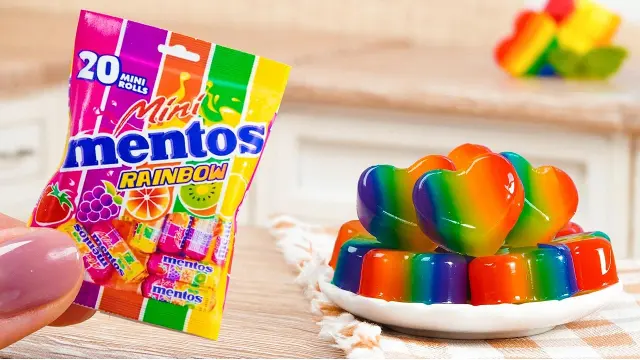
 Making Satisfying Miniature Fruit Heart Jelly in a Tiny Kitchen
#Miniature Baking
14 ideas
Making Satisfying Miniature Fruit Heart Jelly in a Tiny Kitchen
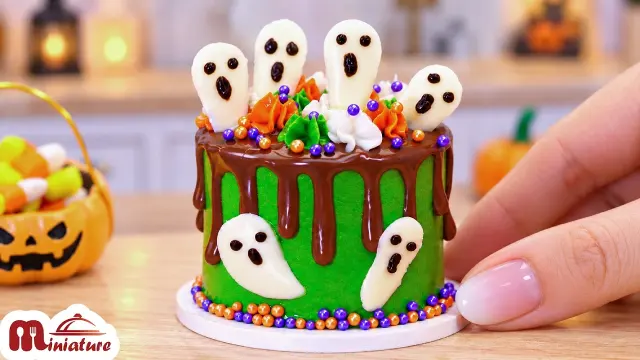 Tiny Kitchen Halloween Ghost Chocolate Drip Cake Tutorial
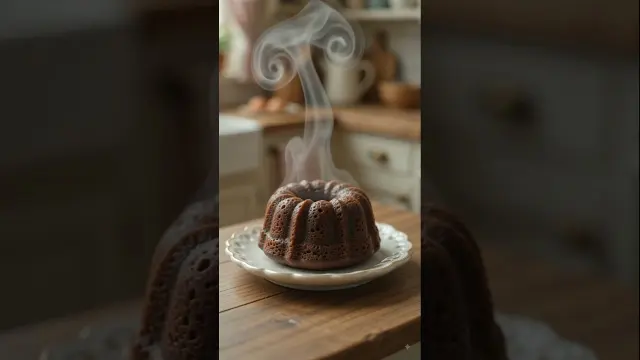 Mini Chocolate Cake Baking with Syrup in a Tiny Kitchen
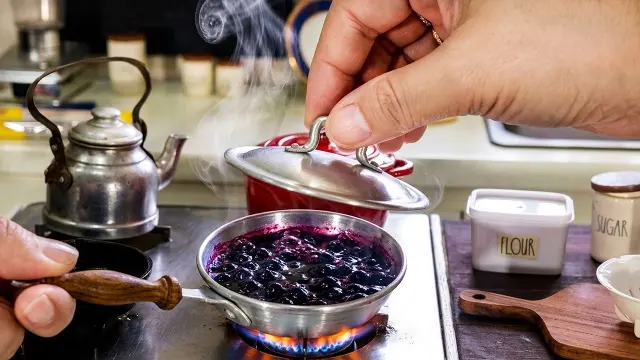 ASMR Miniature Dessert Baking Marathon in a Micro Kitchen
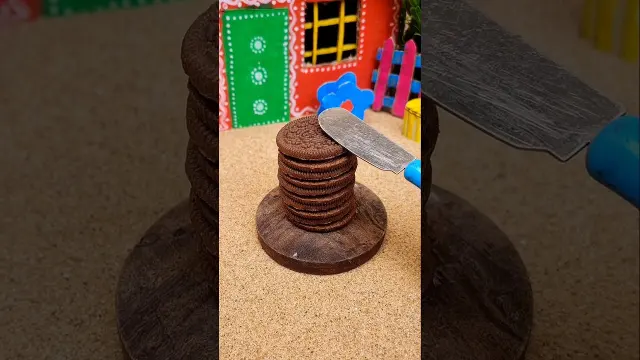 No-Bake Miniature Oreo Biscuit Cake in a Tiny Mold
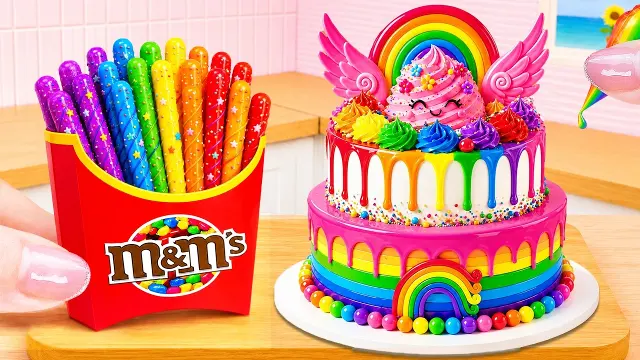 How to Bake a Pretty Rainbow Angel Wings Cake with M&Ms
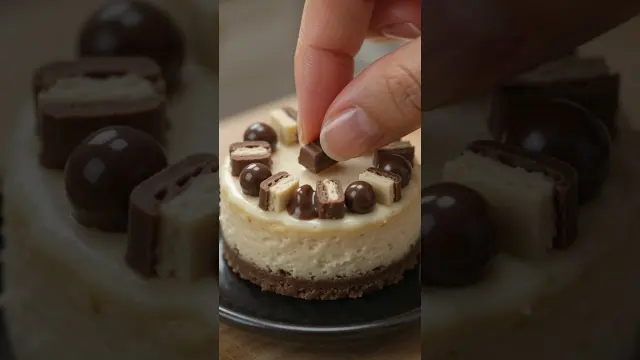 Baking a Ridiculously Tiny Chocolate Cake from Scratch
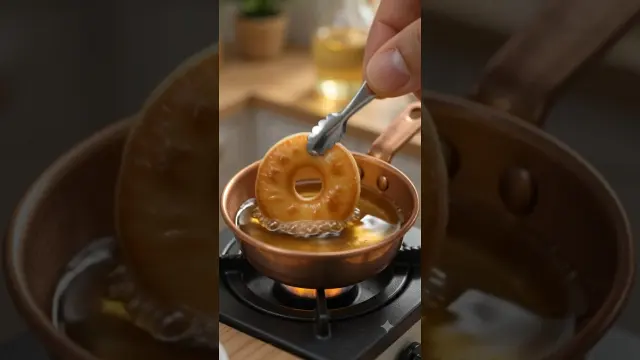 Making Adorable Mini Donuts in a Tiny Kitchen Setup
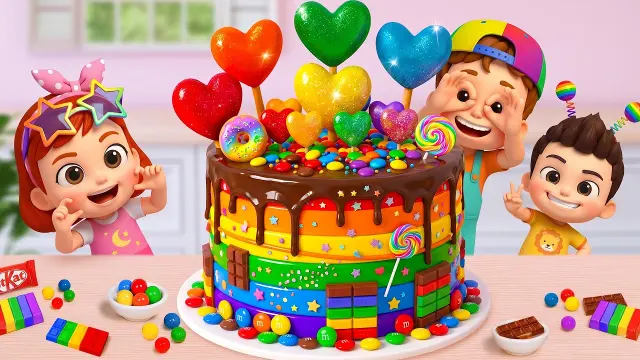 Miniature Rainbow Chocolate Heart Cake Tutorial
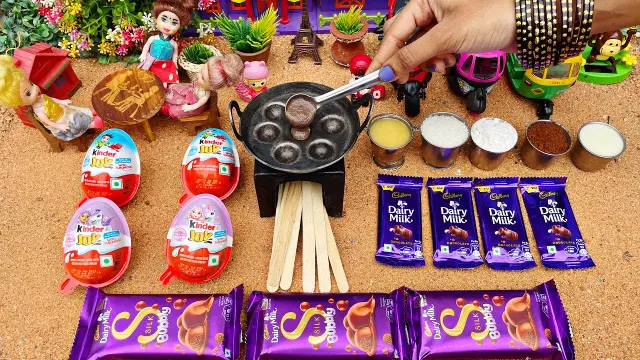 Miniature Kinder Joy and Cadbury Chocolate Lava Cakes
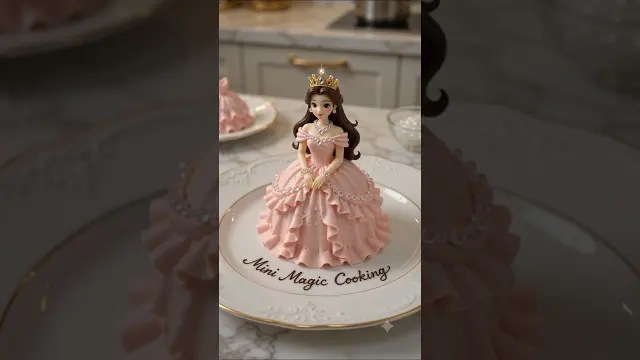 Miniature Barbie Pink Luxury Cake Decorating Tutorial
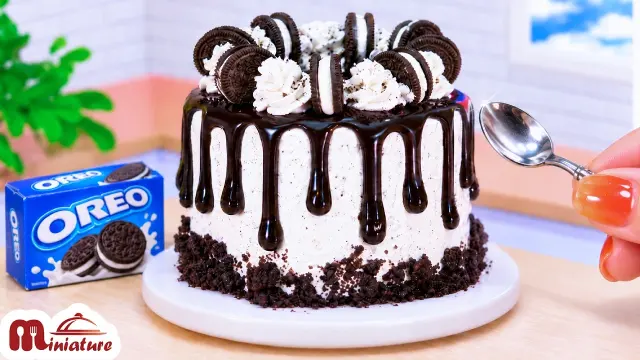 DIY Tiny Kitchen Cookies and Cream Drip Cake Recipe
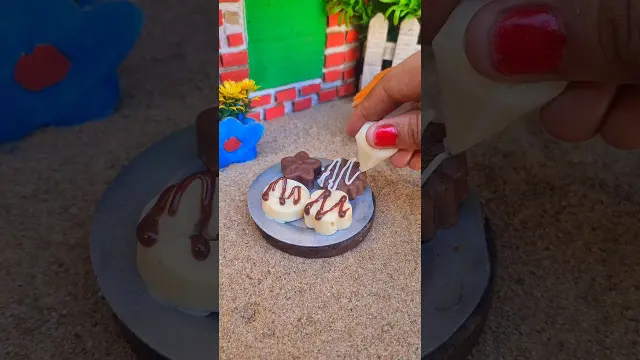 Making Miniature Chocolate Bites Using Tiny Moulds
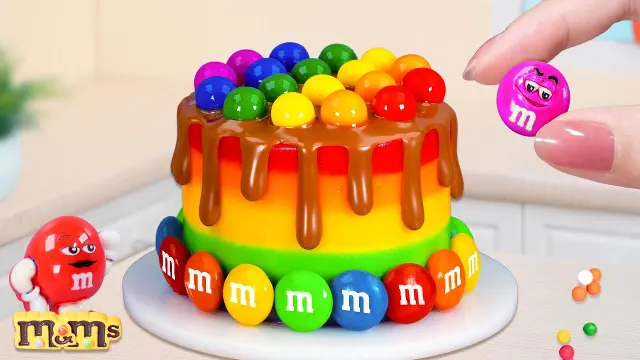 Miniature M&M Chocolate Cake Creation
Get new #Miniature Baking ideas by email
Every Thursday: the week's best ideas, with the newest from #Miniature Baking.
Related tags
Miniature Baking: Tiny Cakes, Pies, and More
What miniature baking is
Miniature baking is the art of making baked goods in very small sizes, from tiny cakes and cupcakes to little tarts, breads, cookies, and pastries. It takes familiar recipes and scales them down so the finished pieces are delicate, detailed, and often made for display as much as for eating. Miniature baking has long appealed to bakers who enjoy precision, craft, and presentation, because small bakes invite careful shaping, decorating, and finishing.
You can use miniature baking for gifts, tea-time treats, party tables, dollhouse food, or simply as a creative kitchen project. The appeal is often in the detail: a little layer cake can look elegant and charming, while a tiny pie or loaf can feel especially inviting.
Common styles and kinds
Read more
Miniature baking can include many different formats:
- Tiny layer cakes and round celebration cakes
- Mini cupcakes and petits fours
- Small pies, tarts, and tartlets
- Bite-sized bread rolls or loaves
- Mini cookies, biscuits, and bars
- Small savory bakes, such as quiches or hand pies
Some miniature bakes are made to look as realistic as possible, while others are more playful or decorative. A common style is to take a full-size recipe and divide it into smaller portions. Another approach is to make special small-format recipes designed for delicate molds or shallow pans.
Techniques that help
Because the scale is so small, miniature baking depends on control and consistency. Even small differences in batter, oven heat, or shaping can change the result.
A few useful techniques include:
- Measure carefully so the batter or dough stays balanced
- Use even portions to keep pieces the same size
- Grease molds well, especially for detailed shapes
- Watch baking time closely, since small items bake faster
- Cool pieces fully before decorating, so they stay neat
- Use piping bags, small spatulas, and fine tools for detail work
If you are making layered mini cakes, it helps to level the layers before stacking. For cookies and pastries, chill the dough if it becomes too soft. For decorated pieces, keep designs simple at first; miniature surfaces leave less room for mistakes.
What beginners should know
If you are new to miniature baking, start with one or two easy recipes rather than trying to make a full miniature spread right away. Cookies, mini muffins, and simple tartlets are often good starting points because they are forgiving and easier to portion.
It also helps to think about size before you begin. Miniature baking works best when the proportions are clear: the base, filling, and decoration should all stay in scale. Too much frosting or filling can overwhelm a tiny bake.
Be patient with the process. Small bakes may seem quicker, but they often need more care than larger ones. A gentle hand, clean tools, and careful timing make a big difference.
Practical tips for success
- Use the right pan or mold size whenever possible
- Prepare all ingredients before you start, so the batter does not sit too long
- Keep decorations simple and neat
- Test one piece first if you are adjusting a recipe
- Let your bakes cool completely before moving or decorating them
Miniature baking is rewarding because it combines the comfort of baking with the precision of craft. Once you get used to the scale, you can create tiny treats that feel both beautiful and satisfying.
Videos come from YouTube and posts from Instagram; titles and summaries are our own. All rights belong to their creators.