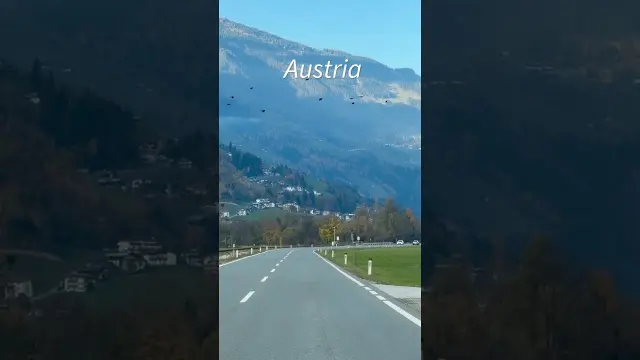
 Scenic Streets of Tyrol: An Austrian Alps Road Trip
#Austria
1 ideas
Scenic Streets of Tyrol: An Austrian Alps Road Trip
Get new #Austria ideas by email
Every Thursday: the week's best ideas, with the newest from #Austria.
Related tags
Austria: A Guide to the Alps, Cities and Traditions
Austria is a landlocked country in the heart of Central Europe, and it is hard to separate the place from the mountains that shape it. The Alps run through most of the country, and the nine federal provinces each carry a distinct character, from the dramatic peaks of Tyrol to the gentler hills and vineyards of Burgenland and the wide open landscapes of the east. German is the everyday language, though regional dialects vary so much that Austrians can often place a stranger by their accent alone.
The Two Faces of a Trip
Most journeys to Austria fall somewhere between city and mountain. Vienna, the capital, is a city built for walking slowly: grand imperial architecture, formal gardens, a lively public transport network and a culture of sitting in a coffee house for hours over a single cup. Salzburg is smaller and more theatrical, pressed against cliffs with a river running through the middle. Innsbruck sits directly beneath high peaks, while Graz, Linz and Klagenfurt offer a quieter, more everyday kind of urban life.
Outside the cities, the countryside is the draw. In summer, hiking trails and mountain huts attract walkers of every level, and lakes in the Salzkammergut and Carinthia are used for swimming, boating and long lunches by the water. In winter, the same mountains turn into one of Europe's most established skiing regions, with resorts ranging from large and busy to small village lifts that serve a handful of slopes.
Read more
Food and Everyday Pleasures
Austrian cooking is hearty and rooted in rural traditions. Expect breaded and pan-fried dishes, long-simmered beef, dumplings in many forms, and pastries filled with fruit or poppy seeds. The coffee house is an institution: a place to read, meet friends and linger. In the wine-growing areas around Vienna and in Styria, wine taverns serve simple cold food and local wine, often in a garden or courtyard.
What Beginners Should Know
- Learn a few German phrases, even if most people you meet speak English; it is appreciated.
- Cash still matters in small villages and mountain huts, so keep some with you.
- Weather in the Alps changes quickly. Layers and sturdy shoes are more useful than a heavy coat.
- Sundays are quiet: many shops close, and planning ahead helps.
- Some rural areas keep traditional dress for festivals and celebrations rather than daily wear, so wear what makes you comfortable.
A Note on the Seasons
Austria's year is marked by recurring traditions: carnival celebrations before Lent, Easter markets, harvest festivals in autumn, and Advent markets in December, where stalls sell mulled drinks and handmade decorations. These customs have endured for generations and give the country a rhythm worth noticing, whichever month you arrive.
#Austria: frequently asked questions
How do I start planning a trip to Austria?
Begin by deciding whether you want a city base, a mountain stay, or a mix of both, since the country rewards both slow urban time and time outdoors. From there, pick one or two regions rather than trying to cover the whole country, as the provinces differ a great deal in landscape and mood. Booking mountain huts and rural guesthouses early helps, especially in the walking and skiing seasons.
What should I pack for Austria?
Layers and comfortable, sturdy shoes matter more than a single heavy coat, because alpine weather can shift from warm sunshine to cold wind and rain within a day. Bring some cash for small villages, mountain huts and rural taverns, where card payment is not always practical. If you plan to hike, add a light rain shell and something warm for the evenings.
Which part of Austria should I choose for my trip?
Vienna suits travellers who like architecture, gardens, coffee houses and wandering a city on foot, while Salzburg and Innsbruck offer a more compact base with mountains close at hand. For lakes, walking and quieter countryside, look to the Salzkammergut or Carinthia, and for vineyards and gentle hills, the east around Burgenland and Styria. A road trip through Tyrol works well if your priority is dramatic alpine scenery.
Do I need to speak German in Austria?
English is widely spoken, particularly in cities and tourist areas, so you will manage comfortably without fluency. Still, learning a few everyday phrases goes a long way and is genuinely appreciated, especially outside the main cities. Regional dialects are strong, so don't be surprised if the German you hear in a village sounds quite different from what you studied.
What are the most common mistakes visitors make in Austria?
The biggest one is underestimating the weather in the Alps and heading out without layers or proper footwear, or without checking how quickly conditions can change. Another is forgetting that Sundays are quiet, with many shops closed, so shopping and travel plans are better arranged ahead. Relying only on cards in rural areas, or treating traditional dress as everyday wear, are easy slips to avoid.
What is there to do in Austria at different times of year?
Summer is the season for hiking, mountain huts, lake swimming and long meals by the water, while winter turns the same slopes into established skiing country with everything from busy resorts to small village lifts. Spring and autumn bring carnival and Easter customs, harvest festivals, and wine taverns in the growing regions. Advent markets round out the year with mulled drinks and handmade decorations, so any month has its own rhythm.
Videos come from YouTube and posts from Instagram; titles and summaries are our own. All rights belong to their creators.