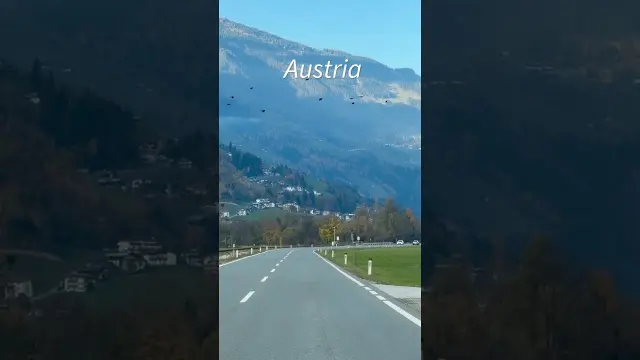
 Scenic Streets of Tyrol: An Austrian Alps Road Trip
#Tyrol
1 ideas
Scenic Streets of Tyrol: An Austrian Alps Road Trip
Get new #Tyrol ideas by email
Every Thursday: the week's best ideas, with the newest from #Tyrol.
Related tags
Tyrol: A Guide to the Alps and Their Living Traditions
Tyrol is a region in the heart of the Alps, and the name itself comes from a medieval castle near Merano. Today it describes two neighbouring areas that share a language of landscape and custom: the Austrian federal state of Tyrol, made up of North Tyrol around Innsbruck and the smaller East Tyrol, and South Tyrol, which lies in northern Italy and is also called Alto Adige or Südtirol. What ties them together is less a border than a way of life shaped by high mountains, long valleys and a calendar of seasons that still governs much of daily life.
A landscape of valleys and passes
The Inn valley forms the spine of North Tyrol, with Innsbruck at its centre, framed by the Nordkette range so closely that you can be on a mountain path within minutes of the old town. Side valleys such as the Ötztal, Zillertal, Stubai and Pitztal reach deep into the mountains, each with its own character and its own villages. To the west, the Arlberg marks the old boundary with Vorarlberg; to the south, the Dolomites rise above South Tyrol's vineyards and orchards. Glaciers, mountain huts, lakes and high passes are all part of the picture, and the Iceman found in the Ötztal Alps has made the region familiar far beyond Europe.
Customs and crafts
Read more
Tyrolean culture is visible rather than staged. Village bands, brass music, yodelling and folk dancing accompany church feast days; Advent brings carved cribs and quiet markets; carnival and the alpine cattle drive in autumn mark the turning of the year. Traditional dress — the dirndl and the loden jacket — is worn for celebrations rather than as costume, and often passed down through families.
Craft has deep roots here too. Woodcarving, especially the carving of nativity figures and small sculptures, is a recognised trade in several valleys. You will also find hand-woven textiles, pottery, glasswork and ironwork sold in small workshops rather than only in souvenir shops. Looking for the maker's name is usually a better guide than looking for the biggest display.
Food and drink
The cooking is mountain cooking: filling, dairy-rich and seasonal. Speck, rye bread, cheese from alpine pastures, dumplings in many forms, barley soup and pan-fried dishes built on potatoes and leftovers all belong to the everyday repertoire. Sweet things matter as well — strudel, yeast pastries and fruit dumplings. Wine grows in the milder south around Merano and Bolzano, while beer and schnapps are the more typical companions further north.
What to know before you go
- Weather in the Alps changes quickly. Whatever the season, carry a rain layer and something warm for higher ground.
- Mountain huts are places to eat and rest, not hotels; many are reached only on foot and close outside the main walking season.
- Trails are marked, but difficulty varies enormously. Choose routes that match your experience and turn back early rather than late.
- Pass roads are high and winding, and some are closed in winter. Allow more time than the map suggests.
- A few words of German go a long way; in South Tyrol, both German and Italian are widely spoken.
- Sunday is quiet in many villages. Shops close, and much of life moves outdoors.
Tyrol rewards slow travel. The pleasures here are simple ones — a long walk, a plate of dumplings, a church bell marking the hour — and they are best enjoyed at the pace the mountains set.
#Tyrol: frequently asked questions
What should I pack for a trip to Tyrol?
Layered clothing is the practical answer, because Alpine weather can shift from sunshine to rain within the same walk. Bring a waterproof shell and something warm for higher ground even in summer, plus footwear you can trust on rough trails. If you plan to visit churches or village festivals, a modest, slightly smarter outfit is worth including, since traditional dress still marks special occasions.
Should I choose North Tyrol or South Tyrol for a first visit?
They share the same mountain culture but differ in flavour: North Tyrol around Innsbruck is the classic Austrian Alpine experience of valley towns, huts and high passes, while South Tyrol blends German and Italian life among vineyards and the Dolomites. Pick the north for a walking-focused trip and the south if you want mountains paired with milder food, wine and a bilingual atmosphere. Combining both is easy if you travel slowly rather than trying to cover the whole region.
Do I need a car to explore Tyrol?
A car makes the side valleys and pass roads far easier to reach, but it comes with winding descents, winter closures and slow driving times that the map understates. Villages and trailheads are often well served by trains and buses, so a car-free trip based in one or two places works well if you plan around the timetable. Many mountain huts are only reachable on foot in any case.
Which local foods and crafts should I look for?
Expect mountain cooking built on dairy, rye bread, speck, cheese from alpine pastures and dumplings in many forms, with strudel and fruit pastries for something sweet. For crafts, look for woodcarving, hand-woven textiles, pottery and ironwork sold in small workshops, and treat the maker's name as a better guide than the size of the display. Buying directly from a workshop gives you something with a story rather than a souvenir.
How do I experience Tyrolean customs without staging them?
Customs here are lived rather than performed, so the best approach is to follow the calendar: church feast days bring village bands and brass music, Advent brings carved cribs and quiet markets, and autumn belongs to the cattle drive. Attending a local celebration as a respectful guest, dressed sensibly and without treating it as a photo opportunity, is far more rewarding than seeking out a show for visitors. A few words of German help, and in South Tyrol both German and Italian are widely spoken.
What are the most common mistakes visitors make in Tyrol?
The biggest ones are underestimating how fast the weather turns, overestimating how far you can drive on high pass roads, and mistaking mountain huts for hotels when many are reached only on foot and close outside the walking season. Another frequent slip is attempting a trail above your experience instead of turning back early. Finally, arriving on a Sunday without checking opening hours can leave you with few shops open, since village life moves outdoors that day.
Videos come from YouTube and posts from Instagram; titles and summaries are our own. All rights belong to their creators.