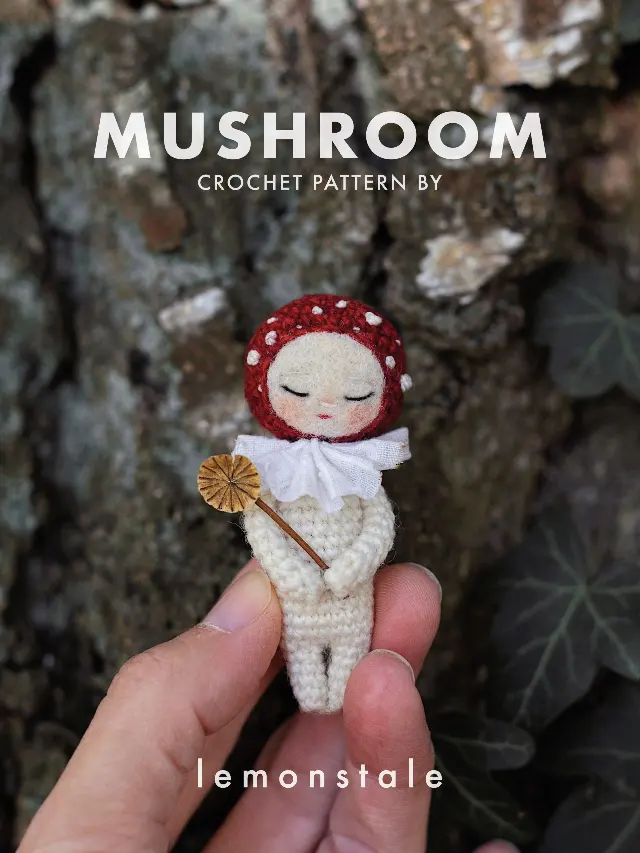
 Mushroom Crochet Pattern for Autumn
#Autumn Craft
1 ideas
Mushroom Crochet Pattern for Autumn
Get new #Autumn Craft ideas by email
Every Thursday: the week's best ideas, with the newest from #Autumn Craft.
Related tags
Autumn Craft Ideas: A Guide to Making with the Season
Autumn is the season that hands you your materials. As the leaves turn and the garden winds down, hedgerows, parks and kitchen tables fill up with things worth keeping: fallen leaves, seed heads, cones, acorns, dried stems, windfalls, scraps of wool and fabric. Autumn craft is the loose family of making that grows out of that abundance — part foraging, part home decoration, part quiet indoor work for the darker evenings.
Where it comes from
Making things from what the season offers is older than any single tradition. Rural households have always preserved, dried, stored and mended in autumn, and the decorative side of that work — wreaths, garlands, dried arrangements, printed and pressed leaves — grew alongside it. Harvest festivals in many cultures gave the impulse a shape: something to hang on the door, something to put on the table, something to give away.
The main kinds of autumn making
Read more
- Natural materials: leaf pressing and leaf printing, seed-head and grass arrangements, wreaths woven on willow or wire bases, cone and acorn garlands, dried hydrangeas and honesty.
- Textiles: knitting and crochet in wool, felted acorns and mushrooms, patchwork and visible mending, simple soft toys.
- Paper and print: leaf rubbings, spatter prints, handmade cards and journals, bookbinding for the season's notebooks.
- Kitchen craft: drying herbs, making preserves, decorating jars — practical work that doubles as decoration.
- Light and warmth: candle holders, lanterns, table centrepieces that suit early darkness.
What beginners should know
Start with one material and one small project rather than a whole scheme. Leaves are the easiest entry point: gather dry ones, press them between sheets of newspaper under a heavy book for a week or two, and they will hold their colour well enough to use on cards or in frames.
For natural wreaths, work with flexible material — willow, birch twigs, vines — and bind it while it is still pliable. Keep the finished piece away from direct heat and radiators, because dried plant material becomes brittle and, in quantity, flammable.
If you are foraging, take only what is abundant, leave plenty behind for birds and for next year, and never pick from protected places or from plants you cannot identify. Wash your hands afterwards, and keep berries, seeds and fungi away from children and pets.
Practical tips
- Dry materials in a warm, airy place rather than a hot one; slow drying keeps colour and shape.
- Work in daylight if you can — autumn colour is hard to judge under a lamp.
- Store finished pieces in a cool, dry box with a little silica or newspaper to keep damp out.
- Give yourself permission to make something small. A pressed leaf on a card still counts.
The pleasure of autumn craft is that it slows you down at exactly the moment the year does the same. Gather a little, make a little, and let the season set the pace.
#Autumn Craft: frequently asked questions
How do I get started with autumn craft if I have never made anything before?
Pick a single material that is already around you and a small project to go with it, rather than planning a whole display. Fallen leaves are the friendliest starting point: press them flat under a heavy book until they dry, then use them on cards, in frames or under a glass. Finishing one modest thing teaches you how the material behaves, and the next project gets easier.
What do I actually need on hand to begin?
Very little beyond what the season supplies: a basket for gathering, newspaper or blotting paper for pressing, and something heavy to weight it down. For woven pieces you need a flexible base such as willow, birch twigs or vines, plus wire or twine to bind with, and for textile work simply wool and needles. Add a cool, dry box with a little silica or newspaper so finished pieces can be stored without going damp.
Which kind of autumn craft should I choose?
Choose by the time of day and mood you have available: natural materials and wreaths suit a bright afternoon outdoors, while knitting, felting and paper work suit dark evenings indoors. If you want your making to be useful as well as decorative, drying herbs, preserving and jar decorating cover both. Let the material you can actually gather decide for you rather than picking a project first and hunting for supplies.
How do I care for dried wreaths, arrangements and pressed leaves so they keep looking good?
Keep them away from radiators, direct heat and strong sunlight, since dried plant material fades and turns brittle quickly. Store anything you are not displaying in a cool, dry box with a little silica or crumpled newspaper to keep the damp out. Handle wreaths and garlands by the base rather than the dried heads, which snap easily once fully dry.
What mistakes do beginners make most often when foraging for materials?
The usual ones are gathering too much, taking from places where picking is not allowed, and collecting plants or fungi that cannot be identified with confidence. Take only what is clearly abundant, leave plenty behind for birds and for next season, and wash your hands afterwards. Keep berries, seeds and fungi well away from children and pets, and treat anything unfamiliar as decoration only, never as something to eat.
Do you have ideas for using autumn craft at a celebration or as a gift?
Seasonal gatherings take well to simple things: a wreath on the door, a garland of cones and seed heads along a table, or small jars dressed up as favours. Handmade cards with pressed leaves, printed gift tags and dried herb bundles make generous, inexpensive presents. Keep a note of what you made and for whom, so the same idea does not arrive twice.
Videos come from YouTube and posts from Instagram; titles and summaries are our own. All rights belong to their creators.