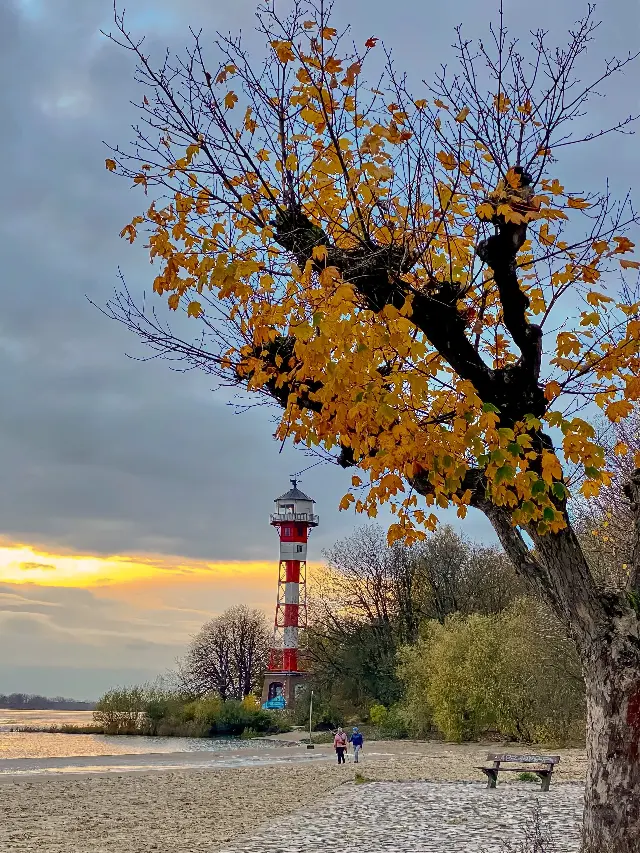
 Exploring the historic Wittenbergen lighthouse in Hamburg
#Autumn Walk
1 ideas
Exploring the historic Wittenbergen lighthouse in Hamburg
Get new #Autumn Walk ideas by email
Every Thursday: the week's best ideas, with the newest from #Autumn Walk.
Related tags
Autumn Walk Ideas and Inspiration
What an autumn walk is
An autumn walk is simply a walk taken in the season when the air turns cooler, the light becomes softer, and trees begin to change colour. It can be a slow stroll through a park, a longer ramble in the countryside, a walk along a coast or river, or even a quiet neighbourhood route lined with trees. What makes it special is not only the scenery, but the feeling of the season: crisp air, fallen leaves underfoot, and a quieter pace that invites you to look more closely.
Autumn walks have been enjoyed for as long as people have walked for pleasure, reflection, and travel. In many places, autumn is one of the most comfortable times to be outdoors because the heat of summer has passed and the full cold of winter has not yet arrived. It is a season that suits gentle movement, photography, sketching, foraging for fallen leaves and seed pods, or simply taking time out from a busy day.
Where to go
Read more
Almost any place can become an autumn walk if you notice it in a different way. Woodlands and parks offer the richest colour, with trees shedding leaves and paths covered in gold and red. Gardens and riverbanks can also be lovely, especially when late flowers, reeds, and water reflections add texture and variety.
If you prefer a quieter mood, try less obvious routes such as residential streets with mature trees, canal paths, or the edges of fields and parks. Coastal walks and historic sites can also feel especially atmospheric in autumn, when the lower sun and changeable skies add depth to the landscape.
What to look for
Autumn is full of small details. You might notice changing leaves, berries, fungi, acorns, conkers, seed heads, mist, low sunlight, and patterns in bark or branches once the trees thin out. The season is also about sound and scent: dry leaves, damp earth, wood smoke, and the feel of cool air on your skin.
If you enjoy photography or drawing, autumn offers strong natural contrast. Warm leaf colours often stand out against grey skies, water, stone, or evergreen plants. Even a simple walk can become more memorable when you slow down and pay attention to these details.
Practical tips for a better autumn walk
- Dress in layers, so you can adjust if the temperature changes.
- Choose shoes with good grip if the ground is damp or covered in leaves.
- Bring a light waterproof layer if the weather is uncertain.
- Walk at a comfortable pace and allow extra time to stop and look around.
- If you are walking in woodland or rural areas, stay on marked paths where possible.
- Take care on slippery surfaces, especially bridges, slopes, and leaf-covered steps.
Making it your own
An autumn walk can be simple and restorative, or it can become a small ritual you return to each year. You might walk alone for quiet, with family for shared time, or with friends for conversation. Some people like to collect leaves, others prefer to leave everything untouched and just observe. However you do it, the heart of an autumn walk is the same: moving through the season slowly enough to notice its beauty.
#Autumn Walk: frequently asked questions
How do I get started with an autumn walk?
Start small: pick a nearby park, tree-lined street or canal path you already know, and go out when the light is soft and you have no particular goal. Leave the pace slow enough that stopping to look at a leaf or a view doesn't feel like an interruption. Once a short walk feels natural, you can stretch it into longer routes in woodland or countryside.
What do I need to bring on an autumn walk?
The essentials are comfortable shoes with a grippy sole, since leaves and damp ground can be slick, plus clothing you can add or remove as the temperature shifts. A light rain layer is worth carrying when the sky looks undecided, and a small bag helps if you want to pocket finds like leaves, seed pods or conkers. Nothing specialised is required — the point is to stay warm, dry and free to wander.
Which kind of autumn walk should I choose?
Let your mood decide: woodlands and parks give the boldest colour, while riverbanks, gardens and coastlines offer softer light and reflections, and quiet residential streets or field edges suit a calmer, more contemplative outing. If you want atmosphere over scenery, try a historic site or a route with water nearby. Any of these works — what matters is choosing a place you'll actually notice.
How do I make an autumn walk feel special or share it with others?
Treat it as a small ritual rather than a task: go at the same time each year, bring a camera or sketchbook, or set aside time to collect fallen leaves and seed heads. With family or friends, keep the route short enough for conversation and let children lead the noticing — the season rewards attention more than distance. Some people prefer to leave everything untouched and simply observe, which is just as valid.
What are common mistakes to avoid on an autumn walk?
The usual problems come from underdressing for a day that starts mild and turns cold, or wearing smooth-soled shoes on wet leaves, mud and leaf-covered steps. Another is treating the walk as a distance to cover, which means rushing past the very details the season is about. In woodland and rural areas, staying on marked paths keeps both you and the ground around you in better shape.
Videos come from YouTube and posts from Instagram; titles and summaries are our own. All rights belong to their creators.